
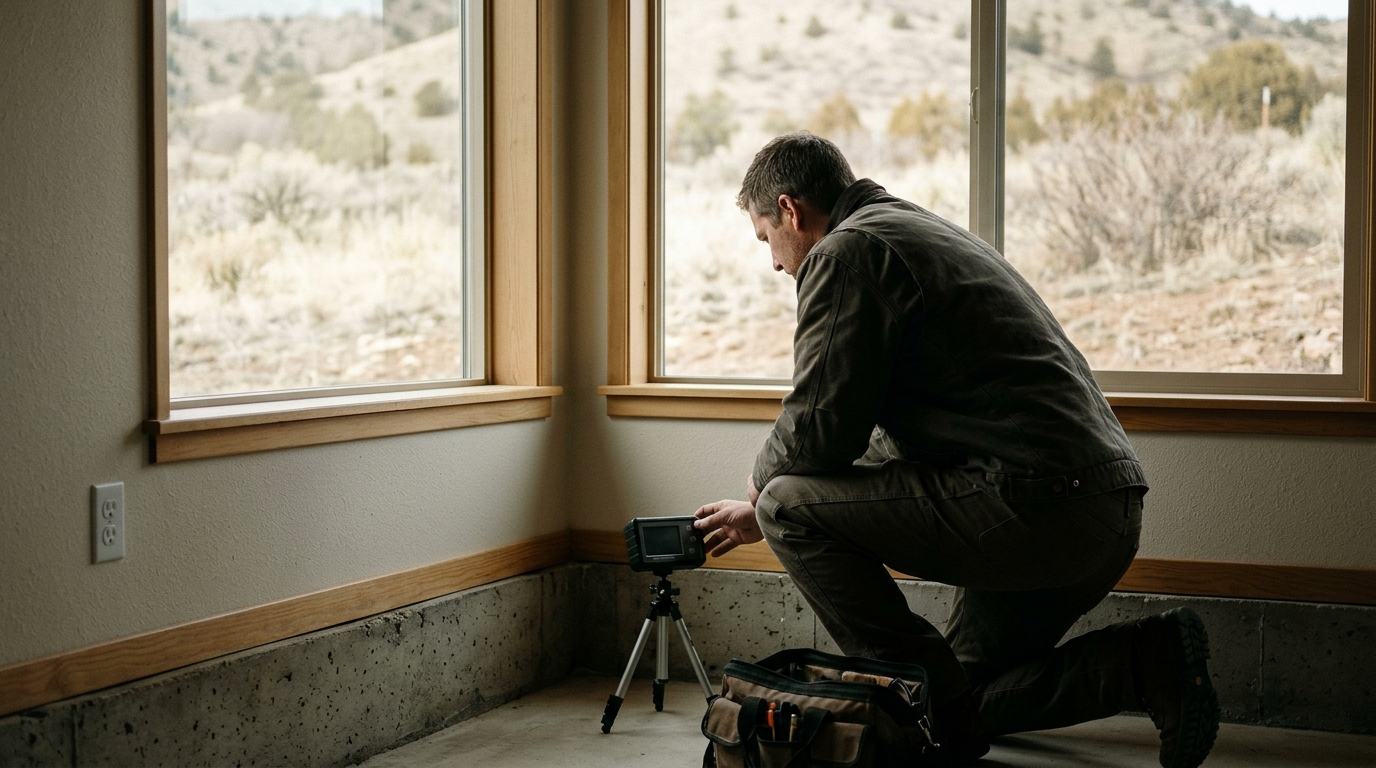
Choosing between a local inspector and a national chain for radon testing in Fort Collins depends on your specific needs. Local providers like Foothills Home Inspections offer personalized service and deep regional knowledge, while national chains provide standardized processes and broad availability. For most Fort Collins homeowners, a local inspector is the better choice due to their understanding of local geology and faster response times.
Understanding Radon Testing in Northern Colorado
Radon is a colorless, odorless radioactive gas that can accumulate in homes. It is the second leading cause of lung cancer in the United States, responsible for over 20,000 deaths each year, according to the EPA. In Northern Colorado, radon levels can be higher than in many other parts of the country due to the region's geology. This makes regular testing essential for homeowners in Fort Collins, Loveland, and Windsor.
Radon testing is a critical component of home safety. It involves measuring the concentration of radon gas in the air of your home. The EPA recommends testing every home below the third floor, including basements. If your home has a radon level of 4 pCi/L or higher, mitigation is recommended. There is no safe level of radon, so even lower levels warrant attention.
Local Inspectors: Strengths and Limitations
Local inspectors, such as Foothills Home Inspections, bring unique advantages to radon testing. They are deeply familiar with the specific geological conditions of Northern Colorado. This knowledge helps them identify potential radon entry points and understand how local soil composition affects gas migration. Local providers often offer more personalized service, allowing for detailed discussions about your home's specific risks.
One of the key strengths of local inspectors is their responsiveness. They can often schedule tests on short notice, including same-day or next-day service. This is particularly useful if you are in the middle of a real estate transaction and need results quickly. Local providers also tend to have a deeper understanding of local building codes and mitigation practices, which can be invaluable if your home requires remediation.
However, local inspectors may have limitations in terms of standardized reporting and brand recognition. Their reports may not follow a uniform format, which can sometimes make it harder to compare results across different providers. Additionally, their availability may be more limited during peak seasons, such as spring and fall, when many homeowners schedule tests.
National Chains: Strengths and Limitations
National chains offer a different set of advantages for radon testing. They provide standardized processes and reporting, which can make it easier to compare results across different locations. Their brand recognition and established reputation can provide peace of mind to some homeowners. National chains often have a wider network of technicians, which can be beneficial if you are moving to a different state or need testing in multiple locations.
One of the main strengths of national chains is their consistency. They use standardized equipment and protocols, which ensures that results are comparable across different homes and regions. This can be particularly useful for investors or property managers who need to track radon levels across a portfolio of properties. National chains also often offer online scheduling and reporting, which can be convenient for busy homeowners.
However, national chains may lack the local expertise that local inspectors possess. They may not be as familiar with the specific geological conditions of Northern Colorado, which can affect the accuracy of their assessments. Additionally, their standardized processes may not be as flexible, making it harder to accommodate unique home configurations or urgent scheduling needs. National chains may also have higher overhead costs, which can be reflected in their pricing.
Comparison Table: Local vs National Radon Testing
| Criteria | Local Inspector (e.g., Foothills Home Inspections) | National Chain |
|---|---|---|
| Local Expertise | High | Low to Moderate |
| Responsiveness | High | Moderate |
| Standardized Reporting | Moderate | High |
| Personalized Service | High | Low |
| Brand Recognition | Moderate | High |
| Cost | Competitive | Higher |
Choosing the Right Provider for Your Needs
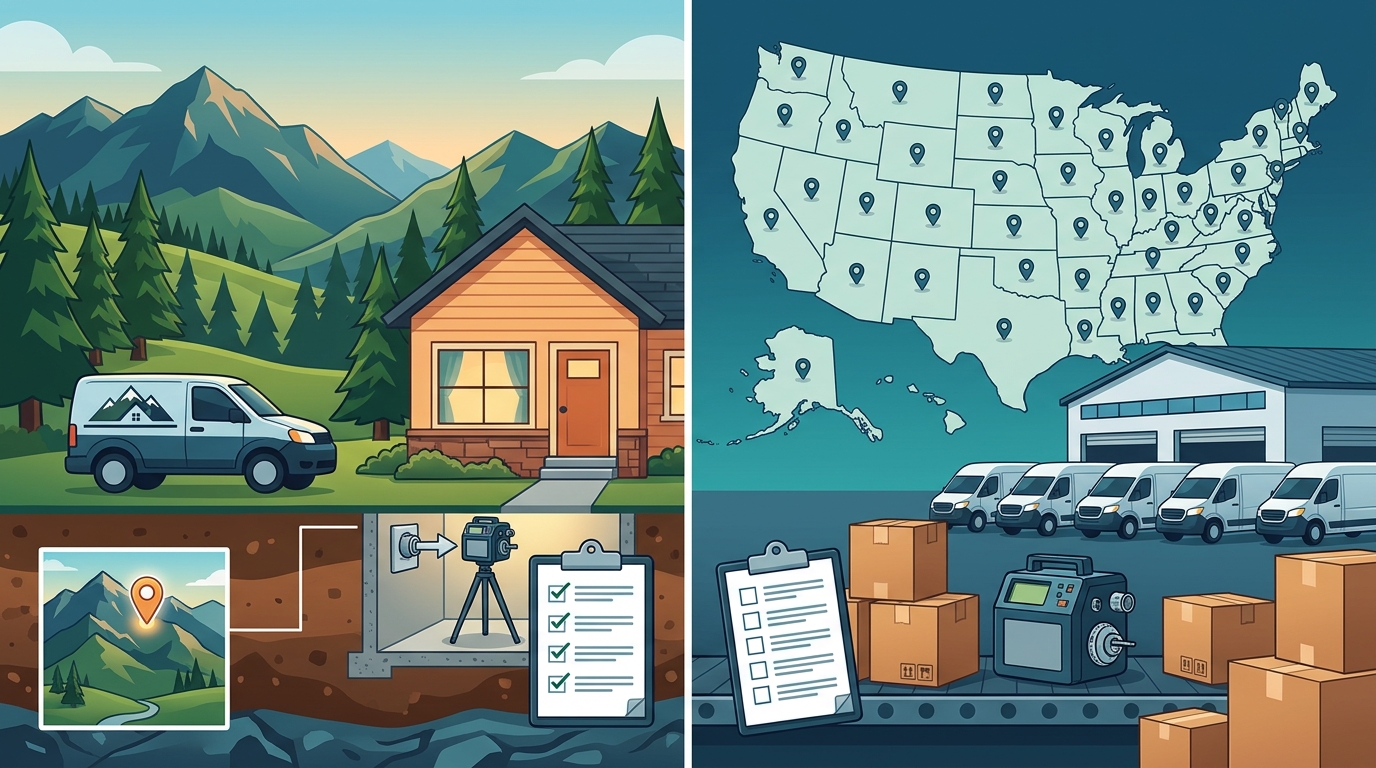
Choose a local inspector if you value personalized service and deep regional knowledge. This is the best option for most Fort Collins homeowners, especially those in the middle of a real estate transaction. Local providers like Foothills Home Inspections offer fast turnaround times and can provide detailed guidance on mitigation options. They are also more likely to understand the specific challenges of Northern Colorado homes.
Choose a national chain if you prioritize standardized reporting and brand recognition. This may be a better fit for investors or property managers who need to track radon levels across multiple locations. National chains offer consistent processes and online tools that can simplify management. However, be prepared for potentially higher costs and less flexible scheduling.
Frequently Asked Questions
How often should I test for radon in Fort Collins?
You should test for radon every two years, or more frequently if you have previously had high levels. Radon levels can fluctuate due to changes in weather, ventilation, and home modifications. Regular testing ensures that you are aware of any changes in your home's radon concentration.
Can I switch from a national chain to a local inspector?
Yes, you can switch providers at any time. There are no long-term contracts or switching costs associated with radon testing. If you are dissatisfied with a national chain's service, you can easily book a test with a local provider like Foothills Home Inspections.
Do local inspectors offer mitigation services?
Some local inspectors, including Foothills Home Inspections, offer mitigation services or can refer you to certified mitigation contractors. If your radon test reveals high levels, a local provider can help you find a qualified contractor and monitor the effectiveness of the mitigation system.
Are national chains more expensive than local inspectors?
National chains may have higher overhead costs, which can be reflected in their pricing. However, local providers often offer competitive pricing, especially for bundled services like home inspections and radon testing. It is always a good idea to get quotes from multiple providers to compare costs.
What should I do if my radon level is between 2 and 4 pCi/L?
If your radon level is between 2 and 4 pCi/L, you should consider mitigation. There is no safe level of radon, so even lower levels warrant attention. A local inspector can provide guidance on whether mitigation is necessary and recommend a certified contractor if needed.
Conclusion
For most Fort Collins homeowners, a local inspector like Foothills Home Inspections is the better choice for radon testing. They offer personalized service, deep regional knowledge, and fast response times. National chains may be a better fit for investors or those who prioritize standardized reporting, but they often lack the local expertise and flexibility that local providers offer. To schedule your radon test, contact our team today.