
Essential Standards and Qualifications for Radon Testing Professionals in Fort Collins
Radon is a colorless, odorless radioactive gas that poses a severe health risk to homeowners across Northern Colorado. According to the Environmental Protection Agency, radon is the second leading cause of lung cancer in the United States, responsible for approximately 21,000 deaths annually. This statistic underscores why hiring a qualified professional for radon testing is not merely a precaution but a critical safety requirement for any property in Fort Collins, Loveland, or Windsor. Understanding the specific qualifications and standards these professionals must meet ensures you receive accurate data and reliable mitigation advice. (About Us Foothills Home)
Why Radon Testing is Critical in Northern Colorado
Fort Collins and the surrounding Front Range communities sit on geological formations that naturally release radon gas into the soil. This gas can seep into homes through foundation cracks, sump pumps, and construction joints. The risk is not theoretical; it is a measurable environmental hazard specific to this region. Homebuyers and current owners must prioritize testing because radon levels can vary significantly even between neighboring houses. (Booking Foothills Home Inspections)
Radon is defined as a naturally occurring radioactive gas that results from the decay of uranium in soil, rock, and water. When trapped indoors, it accumulates to dangerous levels. The Colorado Department of Public Health and Environment actively monitors radon zones, classifying many counties in the state as high-risk. Professional testing provides the only way to know your home's specific risk level. Without accurate data, you cannot make informed decisions about mitigation or real estate negotiations. (Articles Foothills Home Inspections)
Core Qualifications for Radon Professionals
Not all home inspectors are qualified to perform radon testing. While many general home inspectors offer this service, the specific qualifications required for radon work are distinct. In Colorado, radon professionals must adhere to strict state and federal guidelines to ensure the integrity of their measurements.
State Certification and Licensing
The primary qualification for any radon professional in Colorado is state certification. The Colorado Department of Public Health and Environment (CDPHE) regulates radon professionals through its Radon Program. Professionals must complete specific training courses approved by the state. This training covers the physics of radon, measurement techniques, and mitigation strategies. Without this certification, a professional cannot legally offer radon testing services in the state.
State certification is a mandatory credential that ensures the inspector has met the educational and practical requirements set by the Colorado government. This requirement protects consumers from unqualified individuals who might misinterpret data or use improper equipment.
Professional Affiliations and Continuing Education
Beyond state certification, reputable professionals often hold memberships in national organizations such as the National Radon Proficiency Program (NRPP) or the National Radon Safety Foundation (NRSF). These affiliations demonstrate a commitment to industry standards and ongoing education. Radon science evolves, and professionals must stay current with new testing technologies and mitigation methods.
Continuing education is essential for maintaining proficiency in a field that directly impacts public health. Professionals who prioritize these affiliations are more likely to provide accurate, up-to-date advice on radon management.

Common Testing Methodologies and Standards
Understanding the testing process helps homeowners evaluate the quality of service they receive. Professionals in Fort Collins typically use two main types of tests: short-term and long-term. Each method has specific standards and use cases.
Short-Term Testing
Short-term tests are commonly used during real estate transactions because they provide quick results. These tests typically last between two to seven days. The device is placed in the lowest lived-in level of the home, such as a basement or first floor, and left undisturbed. After the testing period, the device is sent to a laboratory for analysis.
Short-term testing is a rapid assessment method used to determine immediate radon levels for time-sensitive decisions like home purchases. While convenient, it may not capture seasonal variations in radon levels, which can fluctuate based on weather and heating systems.
Long-Term Testing
Long-term tests provide a more accurate picture of a home's average radon exposure over time. These tests can last from 90 days to one year. They are ideal for homeowners who want to understand their long-term risk profile rather than just a snapshot in time. Long-term testing is the gold standard for determining the true average radon level in a residence.
Continuous Monitoring Devices
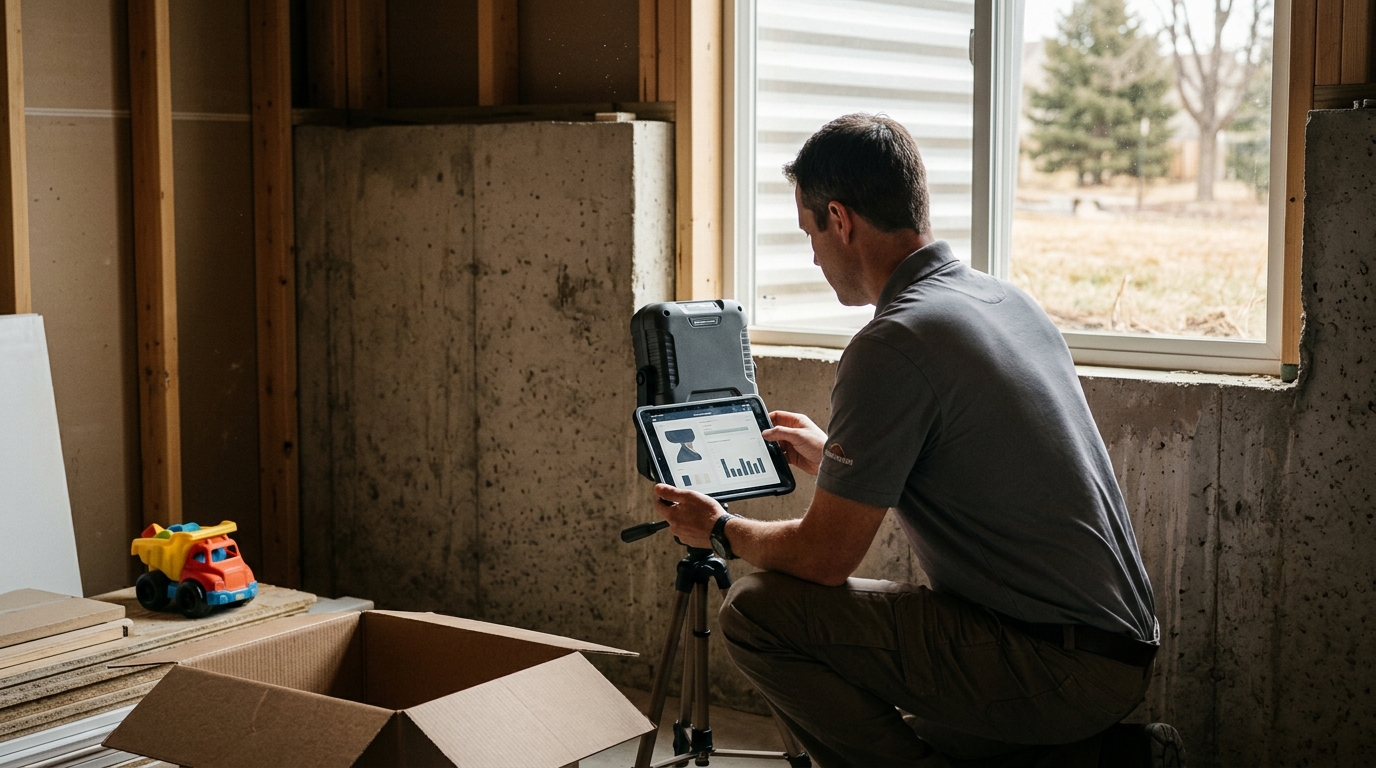
Some professionals use continuous radon monitoring devices that provide real-time data. These devices track radon levels hourly or daily, offering detailed insights into how radon fluctuates throughout the day and night. This data can be particularly useful for diagnosing specific entry points or ventilation issues.
How to Verify Professional Credentials
When selecting a radon testing professional in Fort Collins, verification is key. Do not rely solely on online reviews or general marketing claims. Take the following steps to ensure you are hiring a qualified expert.
- Check State Certification: Verify the inspector's certification number with the Colorado CDPHE Radon Program. This ensures they are legally authorized to perform testing.
- Review Experience: Ask how many radon tests they have performed. Experience matters in interpreting results and identifying potential sources of error.
- Confirm Insurance: Ensure the professional carries liability insurance. This protects you in case of equipment damage or procedural errors during the inspection.
- Ask About Reporting: A qualified professional will provide a detailed report explaining the results, the testing method used, and recommendations for next steps. Look for clear, jargon-free explanations.
Due diligence in verifying credentials prevents costly mistakes and ensures your health is protected. A professional who is transparent about their qualifications and willing to answer questions is a strong indicator of reliability.
Service Comparison: Testing vs. Mitigation
It is important to distinguish between radon testing and radon mitigation. While some professionals offer both services, others specialize in one area. Understanding the difference helps you choose the right service for your needs.
| Service Type | Primary Goal | Typical Duration | Key Qualification |
|---|---|---|---|
| Radon Testing | Measure radon levels accurately | 2 days to 1 year | State Radon Certification |
| Radon Mitigation | Reduce radon levels in the home | 1 to 3 days | Radon Mitigator License |
| Re-Testing | Verify mitigation system effectiveness | 2 to 7 days | State Radon Certification |
Choosing the right service depends on your current radon levels and your goals. If your test results show high radon levels, you will need a mitigation specialist. If you are buying a home, you need a testing professional first. Always ensure the professional you hire is qualified for the specific service you require.
Key Takeaways
- Radon is the second leading cause of lung cancer in the U.S., making testing essential for all Northern Colorado homeowners.
- Colorado law requires radon professionals to hold state certification from the CDPHE Radon Program.
- Short-term tests provide quick results for real estate transactions, while long-term tests offer more accurate average exposure data.
- Verify credentials by checking state certification numbers and professional affiliations like NRPP or NRSF.
- Foothills Home Inspections has been serving Fort Collins and surrounding areas since 2015, providing certified radon testing services.
- Radon levels can vary significantly between neighboring homes, so individual testing is necessary for accurate risk assessment.
- Professional reports should include clear recommendations and detailed explanations of the testing methodology used.
Frequently Asked Questions
What is the safe level of radon in a home?
The EPA recommends mitigating homes with radon levels at or above 4 pCi/L (picocuries per liter). However, there is no known safe level of radon, and lower levels still pose some risk. Reducing levels as much as possible is the best approach.
How long does a radon test take?
Short-term tests typically last between two to seven days. Long-term tests can last from 90 days to one year. The duration depends on the type of test chosen and the specific needs of the homeowner.
Can I perform radon testing myself?
While DIY radon test kits are available, professional testing is recommended for accuracy and reliability. Professionals use calibrated equipment and follow strict protocols to ensure valid results. They also provide expert interpretation of the data.
What happens if my radon test shows high levels?
If your test shows high radon levels, you should contact a licensed radon mitigation professional. Mitigation systems, such as sub-slab depressurization, can effectively reduce radon levels in most homes. Re-testing after mitigation is required to confirm effectiveness.
Why is radon testing important in Fort Collins?
Fort Collins is located in a region with geological formations that naturally release radon gas. Many homes in the area have elevated radon levels, making testing a critical part of home safety and real estate transactions.
Do I need a separate radon test if I already had a home inspection?
Standard home inspections do not typically include radon testing. You need a specific radon test performed by a qualified professional. Some home inspectors offer radon testing as an add-on service, but it must be explicitly requested and performed by a certified individual.
How often should I test for radon?
The EPA recommends testing your home every two years. Radon levels can change over time due to structural modifications, weather patterns, and soil changes. Regular testing ensures your home remains safe.
Schedule Your Radon Inspection Today
Protect your family and your investment by ensuring your home is safe from radon. Foothills Home Inspections offers certified, professional radon testing services in Fort Collins, Loveland, Windsor, and surrounding Northern Colorado communities. Our team is dedicated to providing accurate results and clear, actionable reports. Contact us today to schedule your radon test and gain peace of mind. Visit our Radon Testing page to learn more about our services and pricing.