
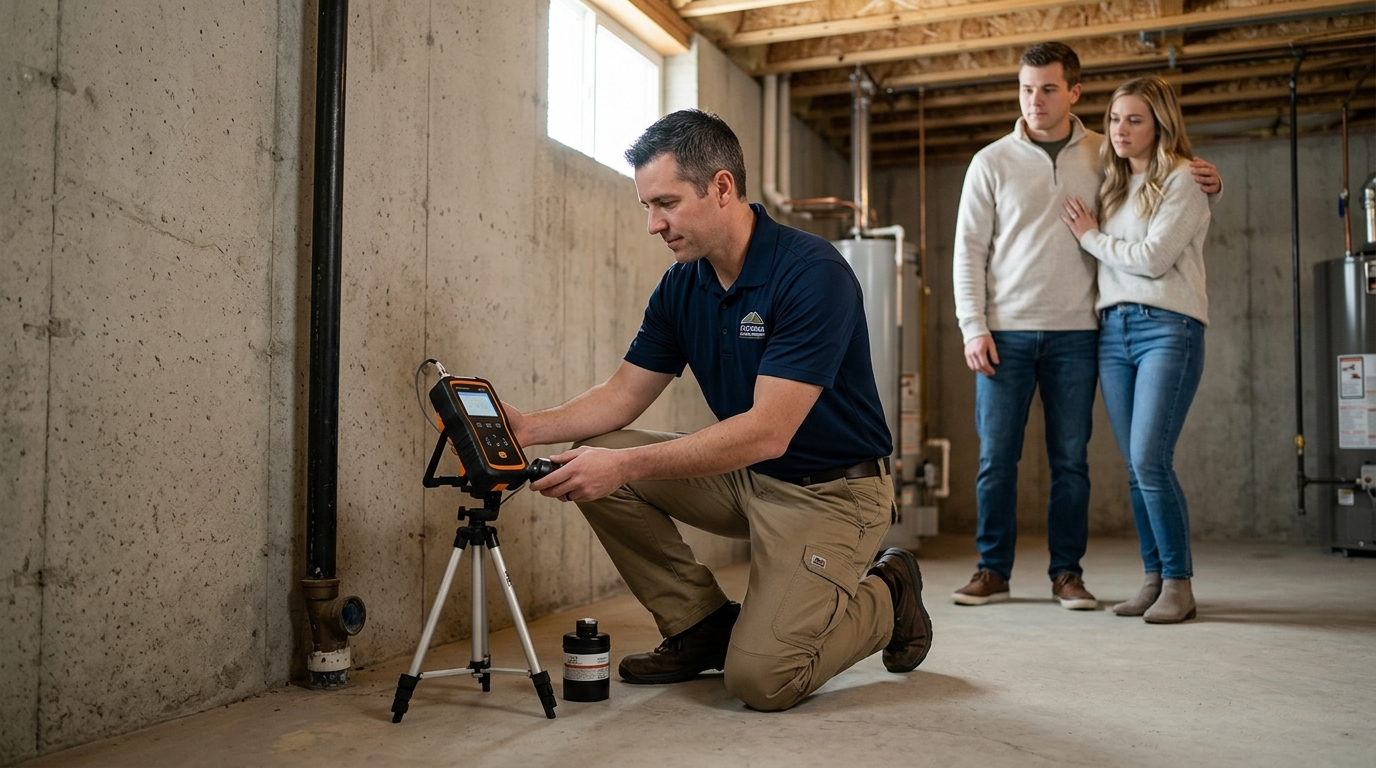
Radon testing in Fort Collins is a critical step for any home buyer or seller in Northern Colorado. Foothills Home Inspections provides certified radon testing to help you understand the air quality in your home. Radon is an invisible, odorless gas that can pose serious health risks if levels are too high. Knowing the testing process and interpreting the results is essential for protecting your family and your investment.
Understanding Radon and Health Risks
Radon is a naturally occurring radioactive gas that comes from the decay of uranium in soil, rock, and water. It is colorless, odorless, and tasteless, making it impossible to detect without a specialized test. According to the U.S. Environmental Protection Agency (EPA), radon is the second leading cause of lung cancer in the United States. Because it is so difficult to detect with the senses, professional testing is the only reliable way to know your exposure levels.
In Fort Collins, homes are built on soil that can release radon into the living space. The gas can enter a home through cracks in the foundation, gaps around pipes, or floor drains. Once inside, radon can accumulate to dangerous levels, particularly in lower floors and basements. The health risk is cumulative, meaning long-term exposure to elevated levels increases the risk of lung cancer, especially for smokers.
Understanding this risk is the first step in protecting your home. You cannot see, smell, or feel radon, so you must rely on scientific testing. The EPA recommends testing every home below the third floor, including apartments. This recommendation applies to all homes in Fort Collins, regardless of age or construction type.
The Radon Testing Process in Fort Collins
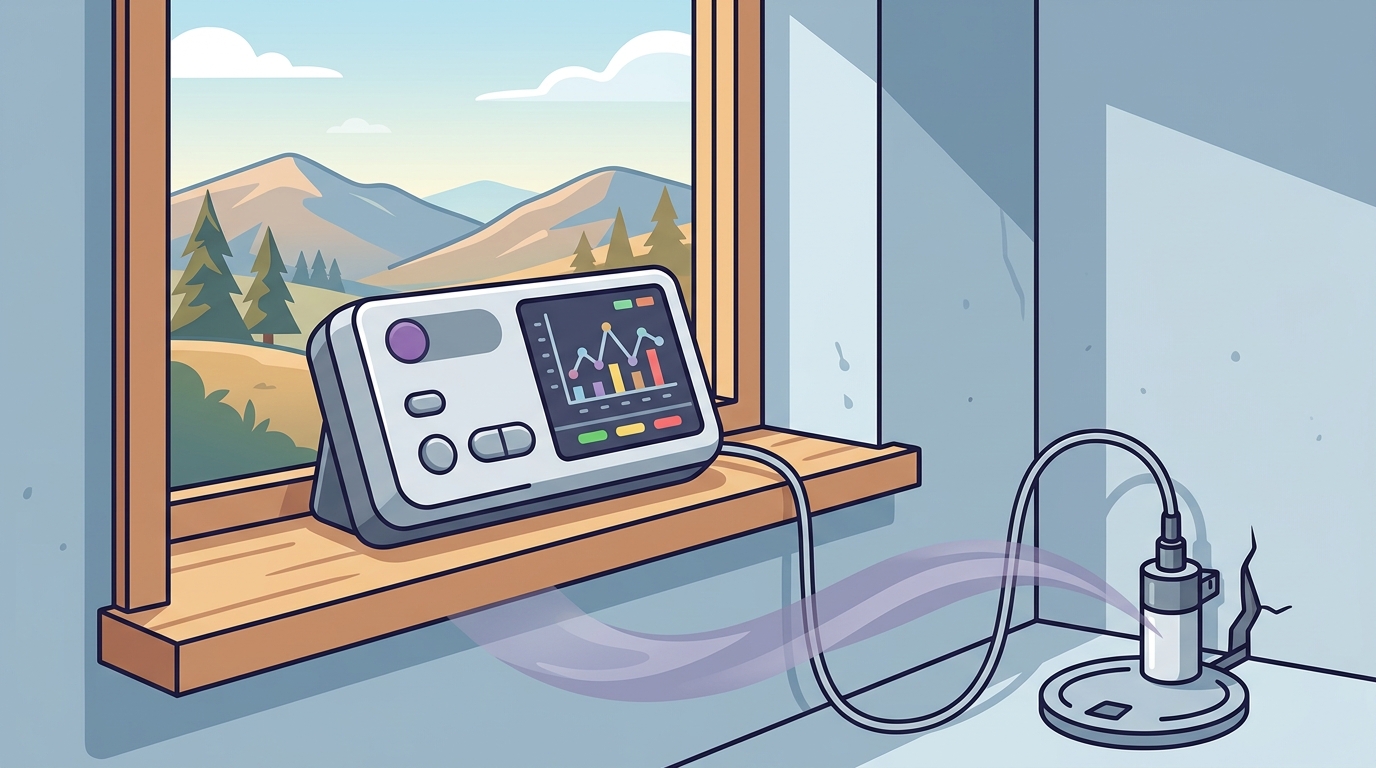
Radon testing is a simple and inexpensive process that can be completed in a short time. The most common method for short-term testing is the use of a charcoal canister or an electronic digital monitor. These devices are placed in the lowest lived-in level of the home for a specific period, usually 48 to 72 hours. After the test period, the device is sent to a laboratory for analysis, or the digital monitor provides an immediate reading.
The results are reported in picocuries per liter (pCi/L). The EPA action level is 4.0 pCi/L. If your test result is at or above this level, the EPA recommends taking steps to reduce radon levels. If the result is below 4.0 pCi/L, your home is considered to have a low radon level, though the EPA still suggests considering mitigation if you plan to stay in the home for a long time.
Interpreting Your Radon Test Results
Interpreting radon test results requires understanding the scale and the context of the measurement. A result below 2.0 pCi/L is generally considered low risk. A result between 2.0 and 3.9 pCi/L is in the middle range, where the EPA suggests considering mitigation. A result of 4.0 pCi/L or higher is considered high and requires action. It is important to note that radon levels can fluctuate based on weather, season, and home ventilation.
If your initial test shows a high level, a follow-up test is often recommended to confirm the result. This is because a single test may not capture the long-term average level. Long-term tests, which run for 90 days to one year, provide a more accurate picture of the average radon level in your home. These tests are particularly useful for real estate transactions, as they provide a more stable data point for buyers and sellers.
At Foothills Home Inspections, we help clients interpret their results in the context of their specific home and location. We explain what the numbers mean and what steps you can take if levels are elevated. This guidance is crucial for making informed decisions about your home and your health.
Radon Mitigation and Next Steps
Mitigation is a relatively simple and cost-effective solution. It does not require major structural changes to the home, and it can be installed in a day or two. Once installed, the system requires minimal maintenance, primarily checking the fan and ensuring the vent pipe is clear. Regular testing is still recommended after mitigation to ensure the system is working properly and that radon levels remain low.
For home buyers in Fort Collins, radon testing is often part of the home inspection contingency. This clause allows the buyer to request repairs or mitigation before closing the deal. Understanding the home inspection contingency is vital for protecting your investment. By including radon testing in your inspection, you can ensure that you are not buying a home with a hidden health hazard.
Why Choose Foothills Home Inspections for Radon Testing
Choosing a qualified and experienced provider is essential for accurate radon testing. Foothills Home Inspections is a certified and insured company based in Northern Colorado. We serve Fort Collins, Loveland, Windsor, Johnstown, and nearby cities. Our team is knowledgeable about the local geology and building practices that can affect radon levels. We use state-of-the-art equipment and follow strict protocols to ensure reliable results.
Key Takeaways
- Radon is an invisible, odorless gas that is the second leading cause of lung cancer in the U.S.
- The EPA recommends testing every home below the third floor, including apartments.
- The EPA action level for radon is 4.0 pCi/L; levels above this require mitigation.
- Short-term tests (48-72 hours) are common, but long-term tests provide a more accurate average.
- Radon mitigation systems are effective and can reduce levels by 99% or more.
- Radon testing is often part of the home inspection contingency in real estate transactions.
- Foothills Home Inspections provides certified radon testing in Fort Collins and Northern Colorado.
Frequently Asked Questions
How often should I test for radon in my Fort Collins home?
The EPA recommends testing every home at least once. If you have a radon mitigation system, you should test annually to ensure it is working properly. If you do not have a system and your initial test was below 4.0 pCi/L, you may test every two to five years, or more often if you are concerned about your health.
Is radon testing required by law in Colorado?
Radon testing is not required by law in Colorado for existing homes. However, it is highly recommended by health authorities and is often included in real estate transactions. New construction may have specific requirements for radon-resistant features, but testing is still recommended to verify performance.
How long does a radon test take?
A short-term radon test typically takes 48 to 72 hours. The device is placed in the home, and after the test period, it is collected and sent to a lab. Results are usually available within a few days. Long-term tests can last 90 days to one year.
What is the EPA action level for radon?
The EPA action level for radon is 4.0 picocuries per liter (pCi/L). If your test result is at or above this level, the EPA recommends taking steps to reduce radon levels through mitigation.
Can I do a radon test myself?
Yes, you can purchase a DIY radon test kit. However, professional testing is often more accurate and reliable. A professional will ensure the test is set up correctly and can help interpret the results. Foothills Home Inspections offers professional testing services in Fort Collins.
Does radon testing affect my home insurance?
Radon testing itself does not typically affect your home insurance. However, if you have a radon mitigation system, it may be covered under your homeowner's policy. It is a good idea to check with your insurance provider to understand your coverage.
Where can I find a radon testing service in Fort Collins?
Foothills Home Inspections is a certified and insured radon testing provider in Fort Collins and Northern Colorado. We serve Fort Collins, Loveland, Windsor, Johnstown, and nearby cities. to schedule your test.