

Essential Criteria for Evaluating Priority Areas in Home Inspection Reports
Buying a home is a significant investment that requires careful scrutiny of every structural and mechanical component. According to recent industry data, approximately 90% of homebuyers choose to get a professional home inspection before closing on their new property. This statistic highlights the critical role inspections play in protecting your financial future. However, receiving a 50-page report filled with technical jargon can be overwhelming. The true value of an inspection lies not just in finding defects, but in understanding which defects matter most. This guide breaks down the essential criteria for evaluating priority areas in your home inspection report, helping you navigate the findings with confidence and clarity. (Foothills Home Inspections Northern)
Structural Integrity and Foundation Health
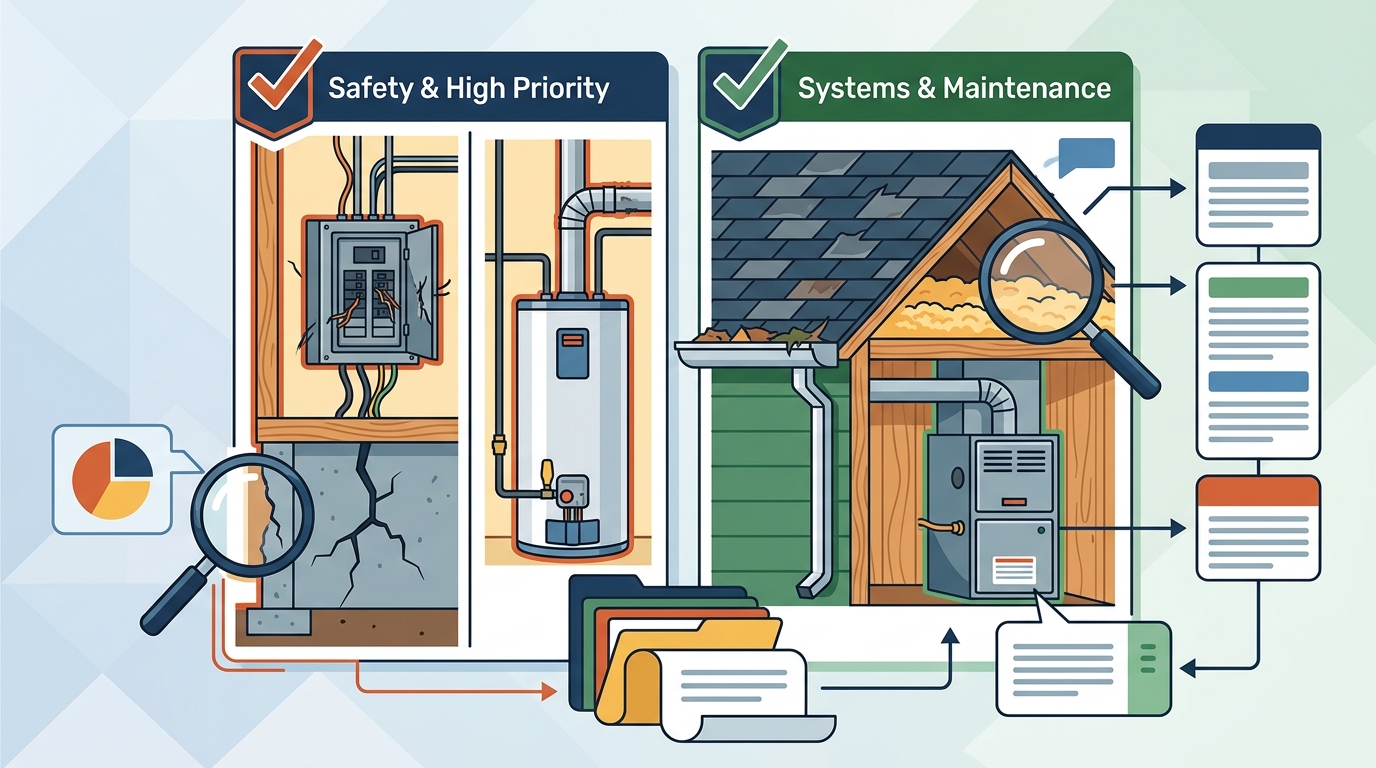
The foundation is the backbone of any residential structure. When evaluating your inspection report, look for clear descriptions of any cracks, settling, or moisture intrusion in the foundation walls and slab. Foundation failure is a costly repair that can compromise the entire home's stability. Inspectors typically use terms like "hairline crack" or "differential settlement" to describe minor issues versus major structural failures. (Booking Foothills Home Inspections)
In Northern Colorado, the soil composition can shift significantly due to seasonal moisture changes. This movement can cause foundations to expand or contract. A qualified inspector will note any signs of this movement. They will also check the grading around the perimeter to ensure water is directed away from the house. Poor drainage can lead to hydrostatic pressure, which exacerbates foundation issues over time.
When reading the report, prioritize any findings that mention "structural compromise" or "active leakage." These items require immediate professional attention. Minor cosmetic cracks in drywall above the foundation are often normal settling and do not necessarily indicate a foundation problem. However, if the inspector notes stair-step cracking in brickwork or gaps around window frames, these are red flags that warrant further evaluation by a structural engineer.
Roofing Systems and Weatherproofing
The roof is the first line of defense against the elements. In regions with harsh weather patterns, the roof's condition is paramount. Roof replacement is one of the most expensive components of home maintenance, so understanding its remaining lifespan is crucial. Look for details on the age of the shingles, the condition of the flashing around chimneys and vents, and the state of the gutters.
Inspectors will assess the roof for curling, cracking, or missing shingles. They will also check the attic for signs of past leaks, such as water stains on the rafters or insulation. Proper attic ventilation is another critical factor. Poor ventilation can lead to ice dams in winter and excessive heat buildup in summer, both of which shorten the life of the roofing materials.
When evaluating the report, distinguish between "cosmetic wear" and "functional failure." Cosmetic wear might include slight granule loss on shingles, which is normal aging. Functional failure includes active leaks, sagging rooflines, or damaged flashing that allows water intrusion. If the report indicates that the roof has less than five years of remaining life, you should budget for a replacement or negotiate the sale price accordingly.
Electrical Safety and Code Compliance
Electrical systems are invisible but vital to home safety. Electrical fires are a leading cause of residential property damage, making this a high-priority area in any inspection. The inspector will check the main panel for proper labeling, the condition of the wiring, and the presence of any outdated technologies.
One critical item to look for is the presence of aluminum wiring, which was common in homes built between the 1960s and 1970s. Aluminum wiring has a higher risk of overheating and fire compared to copper. The inspector will also check for double-tapped breakers, which occur when two wires are connected to a single breaker terminal not designed for it. This can lead to loose connections and arcing.
Another important criterion is the grounding of the electrical system. Older homes may have ungrounded two-prong outlets, which do not provide protection against electrical shock. The inspector will note if the system has been updated to three-prong grounded outlets. If the report highlights any "knob and tube" wiring, this is a significant finding. This outdated wiring method lacks modern safety features and may require full replacement to meet current insurance and code requirements.
Plumbing Infrastructure and Water Damage
Plumbing issues can cause extensive water damage if left unaddressed. Water damage is the most common source of insurance claims in residential properties. The inspector will examine the visible pipes, fixtures, and water heater for signs of leaks, corrosion, or improper installation.
Pay close attention to the water pressure readings. Low pressure can indicate clogged pipes or supply issues, while high pressure can damage appliances and fixtures. The inspector will also check the water heater for proper anchoring, temperature settings, and signs of rust or leakage. The age of the water heater is a key factor; most units last between 10 and 15 years.
Look for details on the material of the plumbing pipes. Polybutylene pipes, used in homes built between 1978 and 1995, are prone to failure and are often rejected by insurance companies. Galvanized steel pipes can also corrode over time, leading to reduced water flow and potential leaks. If the report identifies these materials, you should factor in the cost of repiping the home into your decision-making process.
HVAC Efficiency and Longevity
The heating, ventilation, and air conditioning (HVAC) system is essential for comfort and indoor air quality. HVAC replacement costs can exceed $10,000, making it a major financial consideration. The inspector will assess the age, condition, and functionality of the furnace, air conditioner, and ductwork.
Key criteria include the efficiency rating of the units, the condition of the heat exchanger, and the balance of the system. The inspector will check for proper airflow and temperature differentials between supply and return vents. They will also look for signs of refrigerant leaks in the air conditioning system.
Indoor air quality is another important factor. The inspector may check the air filter, duct cleanliness, and the presence of any mold or mildew in the ductwork. If the HVAC system is near the end of its useful life, you should negotiate for a credit or a home warranty to cover potential repairs.
Radon Testing and Sewer Scoping
In Northern Colorado, two specialized inspections are particularly important: radon testing and sewer scoping. Radon is a radioactive gas that can seep into homes through foundation cracks. Radon exposure is the second leading cause of lung cancer after smoking. Foothills Home Inspections offers certified radon testing to ensure your home is safe.
Sewer scoping involves sending a camera down the main sewer line to check for blockages, root intrusion, or structural damage. Older homes, especially those with clay pipes, are prone to root intrusion. Sewer line repairs are extremely costly and disruptive, often requiring excavation. A sewer scope provides peace of mind by revealing the condition of this hidden infrastructure.
When evaluating your report, look for specific radon levels measured in picocuries per liter (pCi/L). The EPA recommends mitigation if levels are 4 pCi/L or higher. For sewer scoping, the report should include video footage or detailed descriptions of any obstructions or damage. If roots are found, you may need to negotiate for root removal or line replacement.
Key Takeaways
- Foundation Health: Prioritize findings related to active leakage or structural compromise, as these are costly and urgent.
- Roofing Lifespan: Distinguish between cosmetic wear and functional failure to budget for future replacements accurately.
- Electrical Safety: Watch for aluminum wiring or knob-and-tube systems, which may require full replacement.
- Plumbing Materials: Identify polybutylene or galvanized pipes, which are prone to failure and insurance issues.
- HVAC Age: Check the age and efficiency of HVAC units to anticipate replacement costs.
- Radon Levels: Ensure radon levels are below 4 pCi/L, especially in Northern Colorado.
- Sewer Condition: Review sewer scope videos for root intrusion or damage to avoid expensive excavation repairs.
Frequently Asked Questions
What is the most important part of a home inspection report?
The most important part is the section detailing safety hazards and major defects, such as structural issues, electrical problems, and active water leaks. These items require immediate attention to ensure the home is safe and secure.
How do I interpret the severity of findings in a home inspection?
Findings are typically categorized by severity: minor (cosmetic or minor repairs), moderate (requires repair but not urgent), and major (safety hazard or significant cost). Prioritize major findings in your negotiations.
What is radon and why is it tested for?
Radon is a colorless, odorless radioactive gas that can accumulate in homes. It is tested for because prolonged exposure is the second leading cause of lung cancer. Foothills Home Inspections provides certified radon testing services.
What is a sewer scope and why is it necessary?
A sewer scope is a video inspection of the main sewer line. It is necessary to detect root intrusion, blockages, or structural damage that could lead to costly repairs. This service is particularly important for older homes.
Can I negotiate repairs after a home inspection?
Yes, you can negotiate repairs, credits, or price reductions based on the inspection findings. Major defects and safety hazards are typically the most negotiable items.
How long does a home inspection take?
A typical home inspection takes between two and four hours, depending on the size and condition of the property. Foothills Home Inspections provides detailed reports within 24 hours of completion.
What should I look for in the electrical section of the report?
Look for outdated wiring types like aluminum or knob-and-tube, ungrounded outlets, and any signs of electrical fires or overheating. These issues can pose significant safety risks.
Schedule Your Inspection Today
Understanding the priority areas in your home inspection report empowers you to make informed decisions about your real estate investment. Whether you are a first-time buyer or a seasoned investor, having a trusted partner in Northern Colorado is essential. Foothills Home Inspections, led by Daniel Johnson, offers certified, insured home inspections with detailed reports delivered within 24 hours. We serve Fort Collins, Loveland, Windsor, and surrounding areas. Schedule your inspection online or call us at 970-567-8180 to secure your peace of mind. Visit our About Us page to learn more about our commitment to excellence and our history of serving the community since 2015. For more insights, check out our Articles section.