
Essential Criteria for Evaluating Sewer Line Condition During Home Inspection
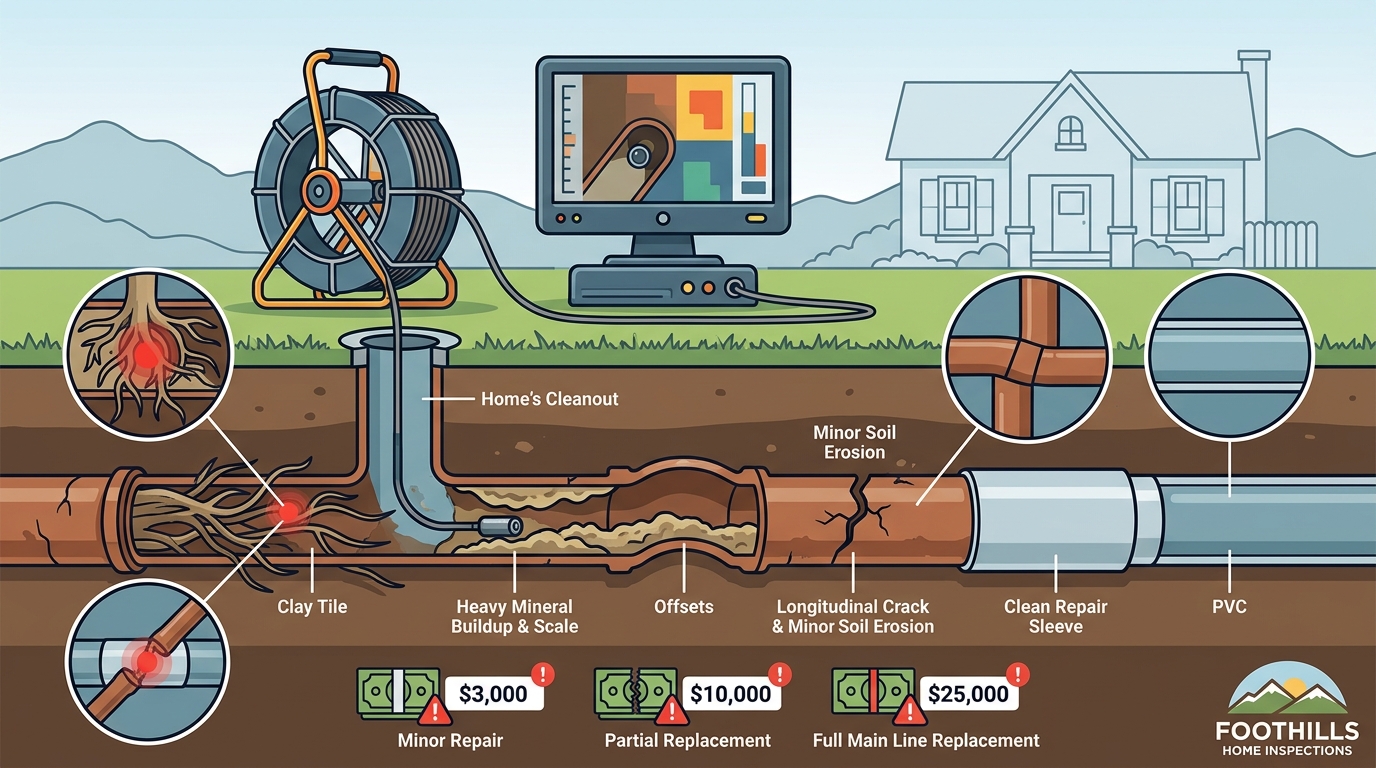
Buying a home in Northern Colorado involves navigating complex infrastructure challenges that often go unnoticed until it is too late. The sewer line is a critical component of any residential property, yet it is frequently the most expensive and disruptive system to repair. According to industry data, sewer line repairs can cost between $3,000 and $25,000 depending on the severity of the damage and the depth of the line. This financial reality makes understanding the condition of your underground pipes a non-negotiable step in the home buying process. Foothills Home Inspections provides certified sewer scoping services to ensure you are not blindsided by hidden defects.
What Is Sewer Scoping?
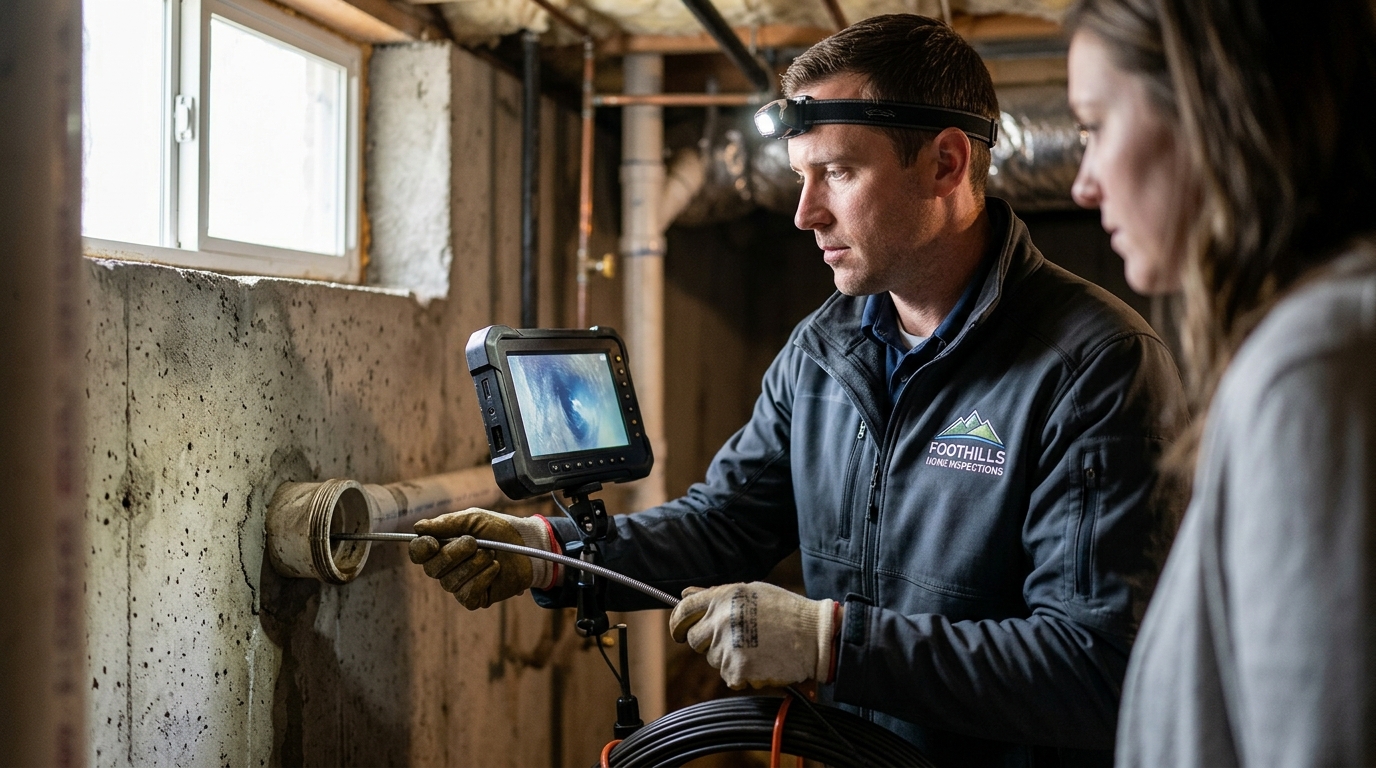
Sewer scoping is a diagnostic procedure that utilizes a high-resolution, flexible video camera to inspect the interior of a home's main sewer line. This technology allows inspectors to travel from the house's cleanout or basement drain to the municipal sewer main or septic tank. The process provides a real-time video feed that reveals the exact condition of the pipe walls, joints, and connections. Unlike visual inspections of above-ground plumbing, sewer scoping exposes what lies beneath the soil.
This method is essential because sewer lines are buried underground. They are subject to ground movement, root intrusion, and material degradation over time. A thorough sewer scope gives homebuyers and sellers a clear picture of the pipe's structural integrity. It transforms a hidden liability into a visible, manageable data point. For more details on our specific sewer scoping services, you can review our dedicated service page.
Why Standard Inspections Fail to Catch Sewer Issues
Most standard home inspections focus on accessible, visible components of a property. Inspectors check faucets, toilets, and visible pipes in the basement or crawlspace. However, the main sewer line often runs deep underground, outside the reach of a visual check. Relying solely on a standard inspection leaves a massive gap in your due diligence.
Water damage and mold are often the first signs of a failing sewer line, but by the time these issues appear above ground, the underground damage is already severe. A comprehensive home inspection must include specialized testing to address these blind spots. Without a sewer scope, you are essentially buying a house with your eyes closed regarding one of its most critical systems.
Key Evaluation Criteria for Sewer Lines
When evaluating a sewer line, specific criteria determine the health and longevity of the system. These factors help you decide whether to proceed with the purchase, negotiate a lower price, or request repairs before closing.
1. Pipe Material and Age
The material of the sewer line dictates its lifespan and vulnerability. Older homes in Fort Collins, Loveland, and Windsor may have clay tile, cast iron, or Orangeburg pipes. Clay tile is brittle and prone to cracking. Cast iron can corrode from the inside out. Orangeburg, a bituminous fiber pipe used in the mid-20th century, collapses easily under pressure. Newer homes typically feature PVC or ABS plastic, which are more durable and resistant to root intrusion. Knowing the material helps predict future failure points.
2. Root Intrusion
Tree roots are the number one enemy of sewer lines. They seek out moisture and nutrients, penetrating even tiny cracks in the pipe. Once inside, roots expand and block the flow of waste. Severe root intrusion can break the pipe apart. During a scope, look for dense root masses or "root hairs" clinging to the pipe walls. This is a clear indicator of active biological damage that requires immediate professional attention.
3. Pipe Alignment and Bellies
A healthy sewer line should have a consistent downward slope, known as the grade. Over time, ground shifting can cause the pipe to sag, creating a "belly" or low spot. Waste and debris collect in these low spots, leading to chronic clogs. A sewer scope will reveal these dips in the pipe's trajectory. If the camera gets stuck or struggles to move forward, a belly or collapse is likely present.
4. Joint Separation and Offsets
Sewer pipes are connected at joints. If the ground shifts or the sealant degrades, these joints can separate. An offset occurs when one pipe section moves out of alignment with the next. This creates a ledge where waste catches and a gap where roots enter. Identifying offsets during the scope is crucial for determining if the line needs spot repair or full replacement.
5. Corrosion and Scale Buildup
In older metal pipes, corrosion eats away at the interior walls, reducing the pipe's diameter. This is known as tuberculation. Scale buildup from hard water can also restrict flow. A sewer scope allows the inspector to see the remaining wall thickness and the clear diameter of the pipe. Significant buildup may require hydro-jetting or replacement.
Common Sewer Defects in Northern Colorado
Northern Colorado's unique geology and climate contribute to specific sewer line issues. The region experiences freeze-thaw cycles that shift the ground. This movement stresses underground pipes, leading to cracks and breaks. Additionally, the area's mature tree canopy increases the risk of root intrusion.
According to local building trends, many homes in the Fort Collins and Loveland areas were built with older materials that are now reaching the end of their lifespan. Homeowners in these communities often face unexpected sewer failures. A proactive sewer scope can identify these aging components before they fail. For more information on our local expertise, visit our About Us page.
The Intersection of Radon and Sewer Integrity
While evaluating the sewer line, it is also important to consider the home's radon risk. Radon is a radioactive gas that seeps into homes through cracks in the foundation and plumbing penetrations. A compromised sewer line can actually exacerbate radon entry by providing a direct pathway for the gas to enter the living space. Ensuring the sewer line is sealed and intact is part of a broader home integrity strategy.
Foothills Home Inspections offers integrated radon testing services. Combining a sewer scope with radon mitigation assessment provides a holistic view of your home's health. This dual approach ensures that you are not just fixing one problem but addressing the overall environmental safety of the property.
Choosing the Right Inspector for Sewer Scoping
Not all home inspectors are equipped or certified to perform sewer scoping. The process requires specialized camera equipment and technical knowledge to interpret the video feed accurately. You need an inspector who understands the nuances of pipe materials, soil conditions, and local building codes.
When selecting an inspector, ask about their certification and experience. Look for someone who provides a detailed report with video footage. The report should clearly highlight any defects and explain their severity. Foothills Home Inspections is a locally-owned and -operated company with a focus on education and transparency. We ensure that every client understands the condition of their sewer line. Our goal is to put you in a strong position at the negotiation table.
Key Takeaways
- Sewer line repairs are expensive, often costing between $3,000 and $25,000, making pre-purchase inspection critical.
- Sewer scoping uses video cameras to reveal hidden defects like root intrusion, bellies, and joint separation.
- Standard home inspections do not cover underground sewer lines, leaving a major gap in due diligence.
- Pipe material (clay, cast iron, PVC) significantly impacts the likelihood of future failure.
- Northern Colorado's freeze-thaw cycles cause ground shifting that damages underground pipes.
- A compromised sewer line can increase radon gas entry risks into the home.
- Foothills Home Inspections provides certified sewer scoping with detailed reports within 24 hours.
Frequently Asked Questions
How long does a sewer scope inspection take?
A typical sewer scope inspection takes about 30 to 60 minutes, depending on the length of the line and the accessibility of the cleanout. The time also varies if the inspector needs to navigate complex pipe layouts or clear minor debris to get a full view.
What is the cost of a sewer scoping service?
The cost of a sewer scope varies based on the size of the home and the complexity of the line. It is generally an affordable add-on to a standard home inspection. For specific pricing, you can contact us directly or call 970-567-8180.
Can roots be removed from a sewer line?
Yes, roots can be removed using mechanical augers or hydro-jetting. However, if the roots have broken the pipe, the damage must be repaired. Spot repairs or full line replacement may be necessary if the structural integrity is compromised.
How often should a sewer line be inspected?
It is recommended to have a sewer line inspected every 2 to 3 years for homeowners, and before purchasing a home. Older homes with clay or cast iron pipes may require more frequent monitoring.
What happens if the sewer line fails during the inspection?
If significant defects are found, you can negotiate with the seller to repair the line or reduce the purchase price. In some cases, you may choose to walk away from the deal if the repair costs are too high. Knowledge is power in real estate negotiations.
Do you offer same-day sewer scoping?
Yes, Foothills Home Inspections offers same-day or next-day service for urgent inspections. Contact us at 970-567-8180 to schedule a time that works for your closing timeline.
Is sewer scoping included in the standard home inspection?
Standard home inspections typically do not include sewer scoping. It is a specialized service that requires additional equipment and expertise. We recommend adding it to your inspection package for a complete assessment of the property.
Schedule Your Sewer Inspection Today
Do not leave your home investment to chance. A failing sewer line can cause catastrophic damage to your property and your wallet. Foothills Home Inspections is here to help you make informed decisions. Our certified inspectors provide thorough, detailed reports that empower you to negotiate with confidence.
Whether you are buying in Fort Collins, Loveland, Windsor, or surrounding Northern Colorado communities, we are ready to serve you. We are a locally-owned and -operated company dedicated to your satisfaction. Contact us today to schedule your inspection or call 970-567-8180 for immediate assistance.