
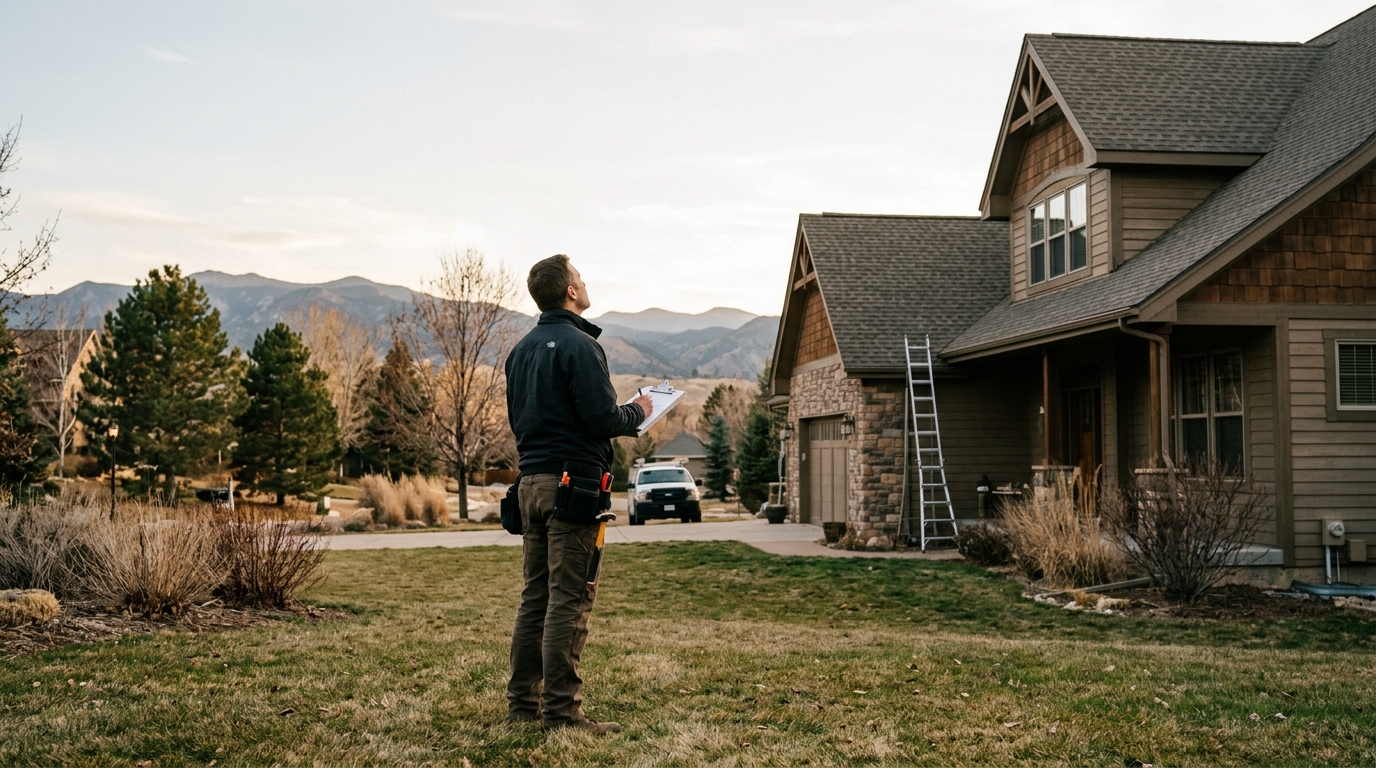
Home inspectors in Fort Collins evaluate roofs using a combination of visual assessment from the ground and safe, hands-on examination from the attic. They look for signs of wear, water intrusion, and structural integrity without climbing onto the roof surface in most cases. Foothills Home Inspections utilizes these standard protocols to ensure buyers understand the true condition of a property's overhead protection before closing.
Ground-Level Visual Assessment
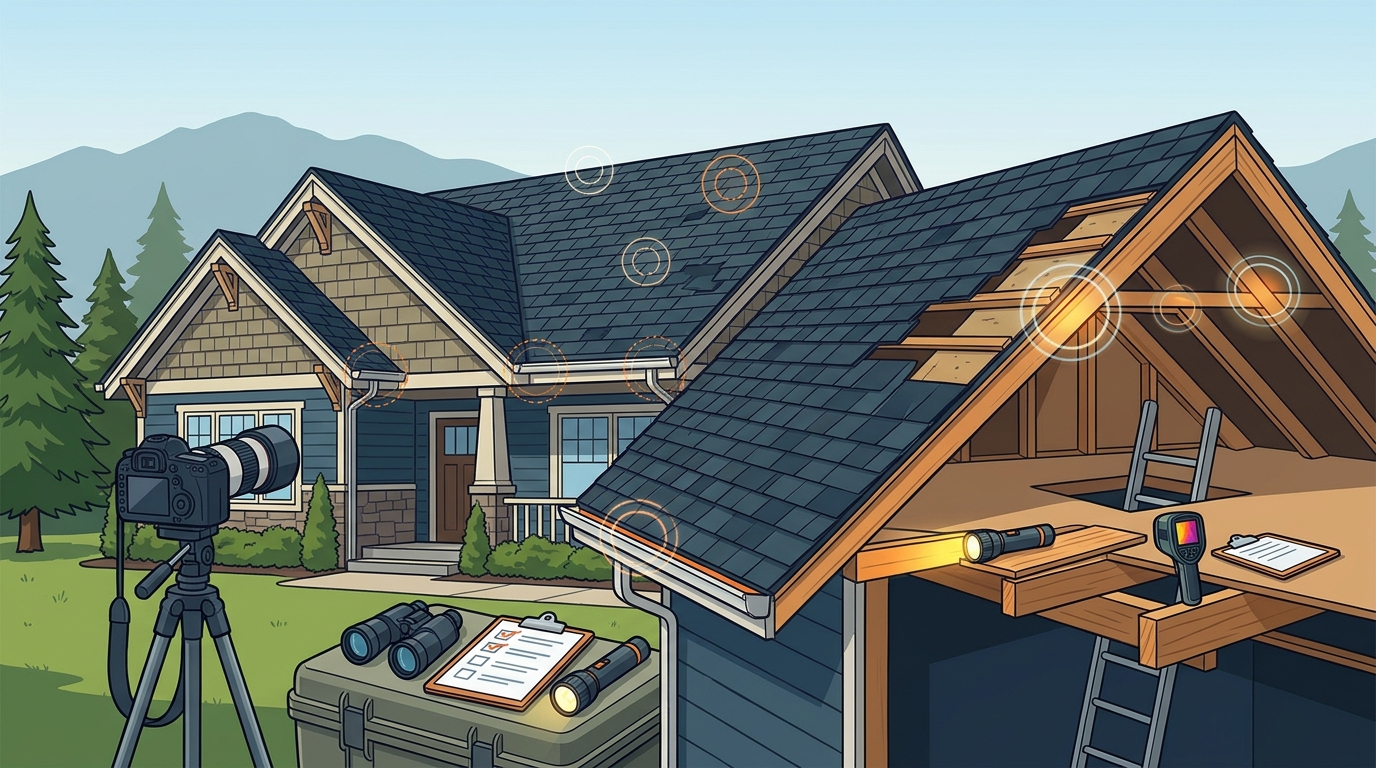
The initial phase of a roof inspection is a visual survey conducted from the ground. Inspectors use binoculars or zoom lenses to scan the roof plane for obvious defects. This method allows for a safe, non-invasive overview of the entire roof surface. It is the primary method used to identify large-scale issues that do not require physical contact. For additional details, review the contact information for Foothills Home Inspections.
Identifying Shingle Condition
Inspectors look for curling, cupping, or missing shingles. They also check for granule loss, which appears as dark spots in gutters or downspouts. Granule loss indicates that the shingles are aging and losing their protective layer. In Fort Collins, where UV exposure is high, this is a critical indicator of remaining roof life.
Checking for Debris and Vegetation
Accumulated debris, such as leaves or pine needles, can trap moisture and accelerate rot. Inspectors note any overhanging branches that may scrape the roof surface. They also look for moss or algae growth, which can hold water against the shingles. These observations help determine if the roof has been maintained properly.
Attic Inspection Protocols
Assessing Ventilation and Insulation
Proper attic ventilation is vital for roof longevity. Inspectors check for adequate airflow to prevent heat buildup in the summer and ice dams in the winter. They also verify that insulation is installed correctly and does not block soffit vents. Poor ventilation can shorten a roof's lifespan significantly, regardless of the shingle quality.
Checking for Structural Support
Flashing and Penetrations
Most roof leaks do not start at the shingles; they start at penetrations. Flashing is a metal barrier installed around chimneys, vents, and skylights to direct water away. Inspectors closely examine these areas for gaps, cracks, or failed sealant. This is where the most common and costly repairs are often needed.
Chimney and Vent Flashing
Chimneys are a major source of leaks due to the expansion and contraction of masonry. Inspectors check the step flashing and counter-flashing for proper installation. They also look for cracks in the chimney crown. Similarly, plumbing vents and exhaust fans require careful inspection to ensure the flashing is sealed correctly.
Skylights and Windows
Skylights are another high-risk area for water intrusion. Inspectors check the curb and the sealant around the glass. They also look for any signs of water staining on the ceiling directly below. If a skylight is old or poorly installed, it may need replacement rather than repair.
Fort Collins Climate Impact
The local climate in Fort Collins presents specific challenges for roofing materials. The region experiences significant temperature fluctuations, which cause roofing materials to expand and contract. This thermal cycling can lead to cracking and failure over time. Inspectors are trained to recognize these climate-specific signs of wear.
UV Exposure and Heat
High UV levels can degrade roofing materials faster than in other regions. Inspectors look for fading and brittleness in the shingles. They also check for any signs of heat damage, such as bubbling or blistering. These conditions indicate that the roof may not last as long as expected.
Snow and Ice Dams
Winter conditions can lead to ice dams, which force water under the shingles. Inspectors look for signs of past ice dam activity, such as water stains near the eaves. They also check the condition of the gutters and downspouts to ensure they can handle snow melt. Proper drainage is essential to prevent water backup.
Reporting and Implications
The findings from the roof inspection are compiled into a detailed report. This document includes photos, descriptions, and recommendations for any issues found. The report helps buyers make informed decisions about the purchase. It also provides a baseline for future maintenance planning.
Understanding the Report
Buyers should read the roof section of the report carefully. It will highlight any safety concerns or items that may require immediate attention. It will also note items that are nearing the end of their useful life. Understanding these details helps in negotiating repairs or price adjustments.
Next Steps for Buyers
If significant issues are found, buyers may want to consult a roofing contractor for a more detailed assessment. The home inspection is a general evaluation, not a specialized roofing audit. However, it provides a solid foundation for understanding the roof's condition. Foothills Home Inspections ensures that all findings are clearly communicated to help clients navigate the next steps.
Key Takeaways
- Roof inspections primarily rely on ground-level visual surveys and attic examinations.
- Inspectors do not typically climb on the roof due to safety and liability concerns.
- Attic checks are crucial for identifying hidden water damage and ventilation issues.
- Flashing around chimneys and vents is a common source of leaks and requires close inspection.
- Fort Collins' climate, including high UV and temperature swings, accelerates roof wear.
- The inspection report provides a baseline for negotiating repairs or price adjustments.
- Buyers should consult a roofing contractor for specialized assessments if major issues are found.
Frequently Asked Questions
Do home inspectors climb on the roof?
Generally, no. Most home inspectors perform their roof assessment from the ground and the attic. Climbing on the roof can damage shingles and poses a significant safety risk. Inspectors are trained to identify issues without physical contact with the roof surface.
What is the most common roof problem found in inspections?
Flashing failures around chimneys and vents are among the most common issues. These areas are prone to leaks due to the movement of the structure and the complexity of the installation. Inspectors pay special attention to these penetrations.
How does the Fort Collins climate affect roof inspections?
The high UV exposure and temperature fluctuations in Fort Collins can accelerate the aging of roofing materials. Inspectors look for signs of thermal stress, such as cracking or brittleness. They also check for evidence of ice dam activity from previous winters.
What should I do if the inspector finds a leak?
If a leak is identified, the inspector will note its location and extent in the report. You should consult a licensed roofing contractor for a detailed assessment and repair estimate. The home inspection report is a starting point, not a final diagnosis for complex leaks.
How long does a roof inspection take?
Can an inspector determine the exact age of a roof?
Not with absolute certainty. Inspectors can estimate the remaining life of a roof based on its condition and the type of materials used. They look for signs of wear and tear to make this assessment. However, the exact installation date is not always known.
Conclusion
Understanding how roof inspections are conducted helps buyers make confident decisions. The combination of ground-level surveys and attic checks provides a comprehensive view of the roof's condition. Foothills Home Inspections offers thorough evaluations tailored to the Northern Colorado climate, ensuring you are fully informed before you buy. Learn more: Contact Us Foothills Home.