
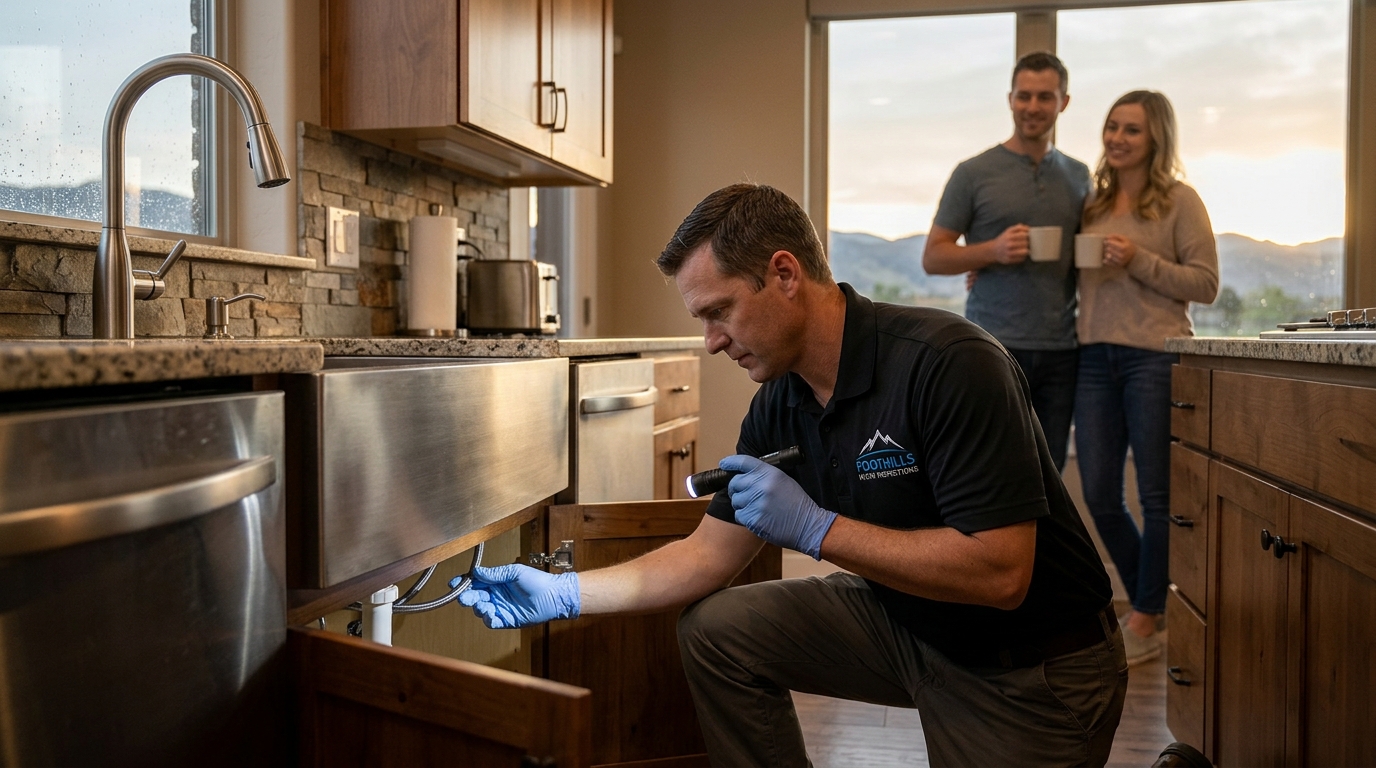
Plumbing inspections are critical for homebuyers because they reveal hidden defects that can lead to costly repairs and water damage after closing. A thorough evaluation of the water supply, drainage, and sewage systems ensures the home is structurally sound and safe. Foothills Home Inspections provides certified evaluations in Northern Colorado to help buyers make informed decisions before finalizing their purchase.
The Scope of a Standard Plumbing Inspection
A standard home inspection includes a visual assessment of the plumbing systems accessible to the inspector. Plumbing inspection is the process of evaluating the condition of water supply, drainage, and sewage systems to identify potential defects. Inspectors check for leaks, corrosion, and proper water pressure. They also verify that all fixtures, such as sinks, toilets, and water heaters, are functioning correctly. This initial assessment helps identify immediate safety hazards or significant maintenance needs.
However, a standard inspection has limitations. Inspectors cannot see inside walls or underground pipes without specialized equipment. They will note if a system appears to be in good working order but cannot guarantee the condition of hidden components. Understanding this scope helps buyers set realistic expectations and decide if additional testing is necessary.
Hidden Risks and Common Defects
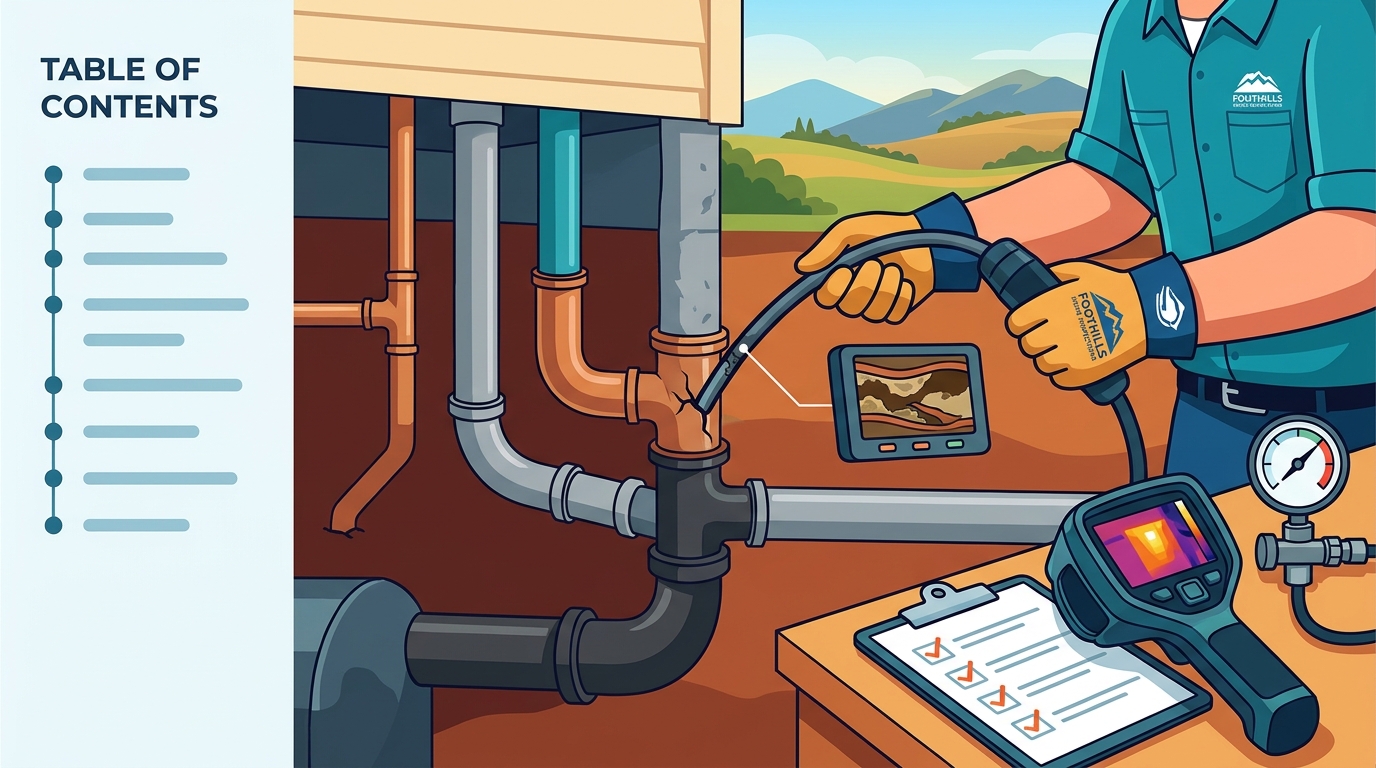
Plumbing issues often remain hidden until they cause significant damage. Common defects include corroded pipes, slow drains, and low water pressure. Pipe corrosion is the gradual deterioration of pipe material due to chemical reactions with water or soil. Older homes may have galvanized steel or cast iron pipes that are prone to rust and blockage. These materials can fail without warning, leading to leaks that damage drywall, flooring, and foundations.
Another common issue is the condition of the sewer line. Tree roots can infiltrate underground pipes, causing blockages and backups. Soil settling can also shift pipes, creating offsets or breaks. These problems are difficult to detect during a standard visual inspection. Buyers should be aware that a home with a history of plumbing repairs may be at higher risk for future issues.
The Value of Sewer Scoping
For many homebuyers, a sewer scope is the most valuable additional inspection. Sewer scoping is a diagnostic test that uses a video camera to inspect the interior of underground sewer pipes. This technology allows inspectors to see the exact condition of the pipes, identifying cracks, root intrusion, and collapses. Foothills Home Inspections offers certified sewer scoping services in Northern Colorado to provide a clear picture of the underground system.
The cost of a sewer scope is relatively low compared to the expense of repairing a broken sewer line. Repairs can range from thousands to tens of thousands of dollars, depending on the extent of the damage. By identifying issues before closing, buyers can negotiate repairs or price adjustments with the seller. In some cases, the findings may justify walking away from the purchase entirely.
Water Heater and Supply System Checks
The water heater is a major component of the plumbing system that requires careful attention. Inspectors check the age, condition, and operation of the water heater. They look for signs of leaks, rust, and sediment buildup. The age of the water heater is a key factor, as these units typically last 8 to 12 years. If the water heater is near the end of its lifespan, buyers should budget for a replacement.
Inspectors also evaluate the water supply system, including the shut-off valves and pressure. They ensure that the water pressure is within a safe and functional range. Excessive pressure can stress pipes and fittings, leading to leaks. A pressure reducing valve may be needed if the pressure is too high. These checks help ensure that the home's plumbing system is not only functional but also durable.
Using Inspection Results in Negotiations
Inspection results are a powerful tool in real estate negotiations. If the inspection reveals significant plumbing defects, buyers can request that the seller make repairs before closing. Alternatively, they can ask for a credit or price reduction to cover the cost of repairs. The goal is to ensure that the buyer is not responsible for major unexpected expenses immediately after moving in.
Key Takeaways
- Standard inspections provide a visual assessment of accessible plumbing components but do not inspect hidden pipes.
- Sewer scoping is a critical additional test that reveals the condition of underground sewer lines.
- Older pipe materials like galvanized steel and cast iron are prone to corrosion and failure.
- Water heater age and condition are key indicators of future maintenance costs.
- Inspection findings can be used to negotiate repairs or price adjustments with the seller.
- Working with a certified inspector ensures a thorough and professional evaluation.
Frequently Asked Questions
What is the difference between a standard inspection and a sewer scope?
A standard inspection visually checks accessible plumbing fixtures and pipes. A sewer scope uses a video camera to inspect the interior of underground sewer lines, revealing hidden defects like cracks and root intrusion.
How much does a sewer scope cost?
The cost of a sewer scope varies by location and provider. It is generally a few hundred dollars, which is a small investment compared to the cost of repairing a broken sewer line.
Can a plumbing inspection detect water leaks?
Inspectors can detect visible leaks and signs of past water damage. However, they cannot detect hidden leaks inside walls or under slabs without specialized moisture detection equipment.
What pipe materials are common in older homes?
Older homes often have galvanized steel or cast iron pipes. These materials are prone to rust and corrosion, which can lead to blockages and leaks over time.
Should I hire a plumber in addition to a home inspector?
A home inspector provides a general assessment of the plumbing system. If specific concerns arise, you may want to hire a licensed plumber for a more detailed evaluation or to perform repairs.
How long does a plumbing inspection take?
The plumbing portion of a standard home inspection typically takes 30 to 60 minutes. A sewer scope may take an additional 30 to 45 minutes, depending on the length of the line.
Conclusion
Understanding the plumbing system of a home is essential for any buyer. By knowing what to look for and when to request additional tests, you can protect your investment and avoid costly surprises. Foothills Home Inspections is committed to providing thorough and honest evaluations to help you make confident decisions. To schedule a comprehensive home inspection in Northern Colorado, book your inspection online or contact our team today.