
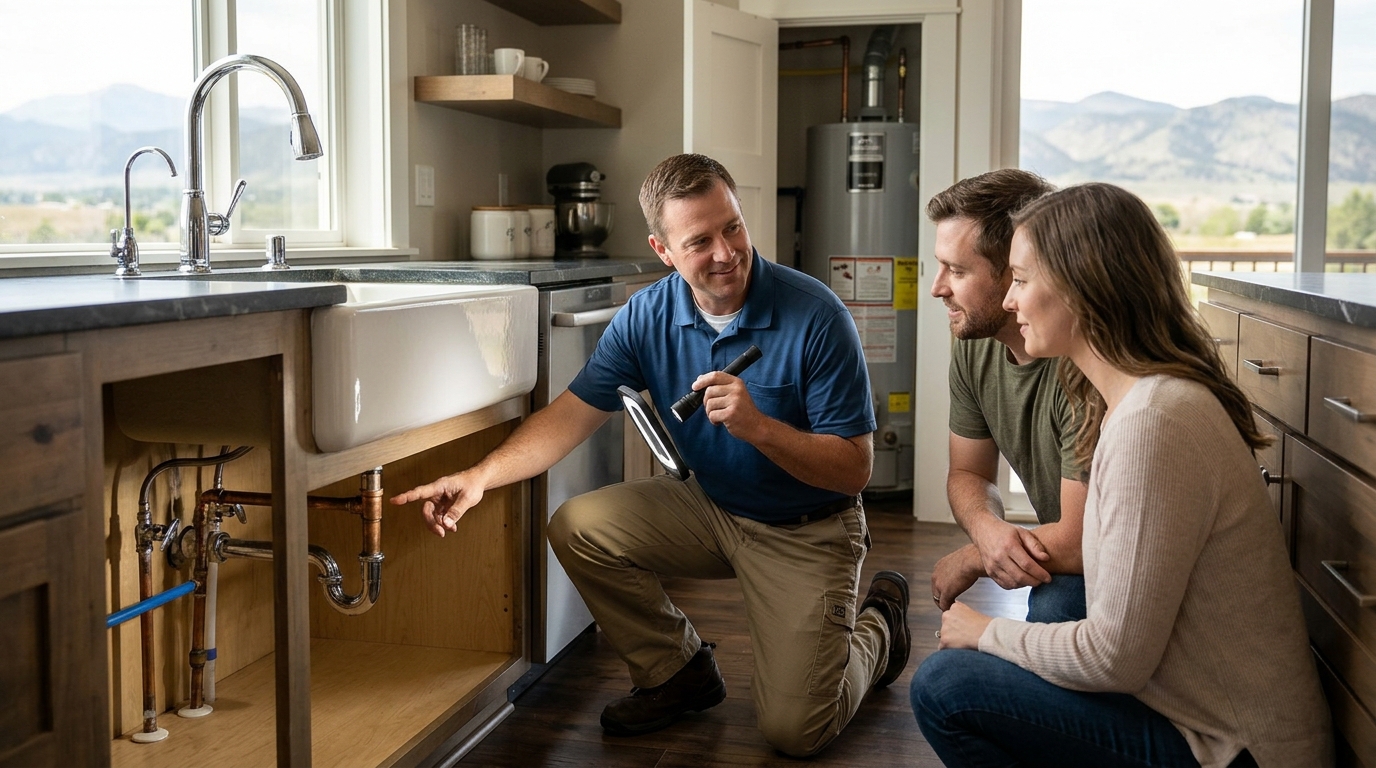
A plumbing inspection is a visual evaluation of a home's water supply, drainage, and waste systems to identify defects, leaks, or code violations. During this process, a certified inspector examines visible components like water heaters, faucets, and supply lines to ensure they function safely. Foothills Home Inspections provides thorough plumbing evaluations as part of comprehensive home inspections in Northern Colorado, helping buyers make informed decisions before closing.
The Scope of a Standard Plumbing Evaluation
Home inspectors are not plumbers, and their role is limited to visual observation of accessible components. A standard plumbing inspection is a non-invasive assessment that does not involve cutting open walls or digging up yards. The inspector will check the water heater for signs of corrosion, leaks, or improper installation. They will also verify that the water pressure is adequate and that all visible faucets and fixtures drain properly. This initial check helps identify immediate safety hazards or significant functional failures that could affect the home's value.
Key Components Inspectors Examine
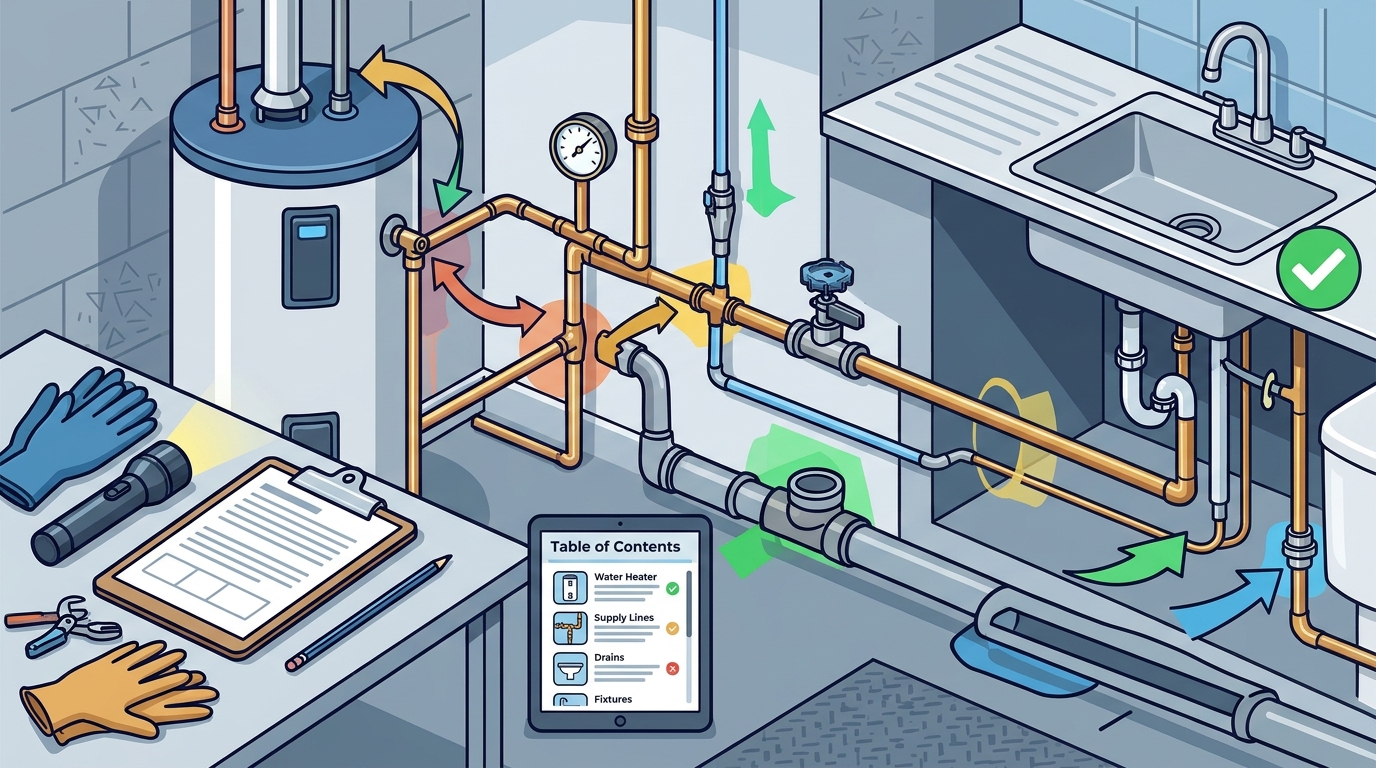
The inspection focuses on several critical areas of the plumbing system. The water heater is a primary concern, as inspectors look for the age of the unit, the condition of the pressure relief valve, and any evidence of water damage around the base. Supply lines are checked for material type, such as copper, PEX, or galvanized steel, and for signs of sweating or corrosion. Drainage is tested by running water in sinks, tubs, and toilets to ensure there are no slow drains or backups. Understanding these components helps buyers anticipate maintenance needs and potential repair costs.
Common Issues Found in Northern Colorado Homes
Regional factors can influence the condition of a home's plumbing. In Northern Colorado, hard water is a common issue that can lead to mineral buildup inside pipes and water heaters. This scale can reduce water flow and shorten the lifespan of fixtures. Inspectors also look for signs of frozen pipe damage, which can occur in unheated areas during winter. Identifying these issues early allows buyers to negotiate repairs or request credits from the seller. Foothills Home Inspections is well-versed in the specific challenges faced by homes in the Fort Collins, Loveland, and Windsor areas.
Understanding the Inspection Report
When to Request Additional Testing
While a standard inspection covers visible components, some issues may require specialized testing. If the inspector notes low water pressure or suspected leaks in hidden areas, a pressure test or video camera inspection of the sewer line may be recommended. These additional services provide a deeper look into the system's integrity. For example, a sewer scope can reveal root intrusion or pipe collapses that are not visible from the inside of the home. Buyers should consider these options if the initial inspection raises concerns about the plumbing system's overall health.
Key Takeaways
- A plumbing inspection is a visual, non-invasive evaluation of accessible water and drainage components.
- Inspectors check the water heater, supply lines, faucets, and drainage for leaks, corrosion, and proper function.
- Hard water in Northern Colorado can cause mineral buildup, affecting pipe and fixture longevity.
- The inspection report categorizes issues by severity, helping buyers negotiate repairs or credits.
- Additional tests, such as sewer scoping, may be needed if hidden issues are suspected.
- Foothills Home Inspections provides detailed reports within 24 hours, aiding in timely decision-making.
Frequently Asked Questions
Does a home inspector test all faucets and drains?
Yes, inspectors typically run water in all accessible sinks, tubs, and toilets to check for proper drainage and water pressure. They also check for leaks under sinks and around the water heater.
Will the inspector check the water heater?
Yes, the water heater is a key component. Inspectors look for leaks, corrosion, the age of the unit, and the condition of the pressure relief valve.
Can a home inspector find hidden leaks?
Standard inspections are visual and non-invasive, so hidden leaks inside walls or under slabs are not typically detected. Specialized testing may be required to find these issues.
What is the difference between a plumbing inspection and a sewer scope?
A plumbing inspection evaluates visible components inside the home. A sewer scope uses a camera to inspect the underground sewer line from the house to the city tap, identifying issues like root intrusion or pipe damage.
How long does the plumbing part of a home inspection take?
The plumbing evaluation is part of the overall home inspection, which usually takes two to four hours. The specific time spent on plumbing depends on the size of the home and the number of fixtures.
What should I do if the inspection finds plumbing issues?
Review the report with your real estate agent and discuss the findings with the seller. You can negotiate for repairs, a price reduction, or a credit to cover the cost of fixes after closing.
Next Steps for Buyers
Understanding what to expect during a plumbing inspection empowers you to make confident decisions. If you are buying a home in Northern Colorado, schedule a thorough evaluation with Foothills Home Inspections. Our certified inspectors provide detailed reports within 24 hours, giving you the clarity you need to proceed with your purchase. Book your inspection today to ensure your new home is safe and sound.