
Sewer Scope Inspection Colorado: Why It Is Critical for Homebuyers
Buying a home in Northern Colorado is a significant financial milestone that requires careful due diligence. While most buyers focus on the visible aspects of a property, the underground infrastructure often holds the most expensive secrets. A sewer scope inspection is a specialized diagnostic procedure that uses high-definition video cameras to examine the condition of a home's main sewer line. This process reveals hidden defects that standard visual inspections cannot detect, protecting buyers from catastrophic repair costs. According to the American Society of Home Inspectors, sewer line issues are among the most costly surprises for new homeowners, often exceeding $10,000 in repairs. This guide explains why this specific inspection is non-negotiable for properties in Colorado. (Foothills Home Inspections Northern)
What Is a Sewer Scope Inspection?
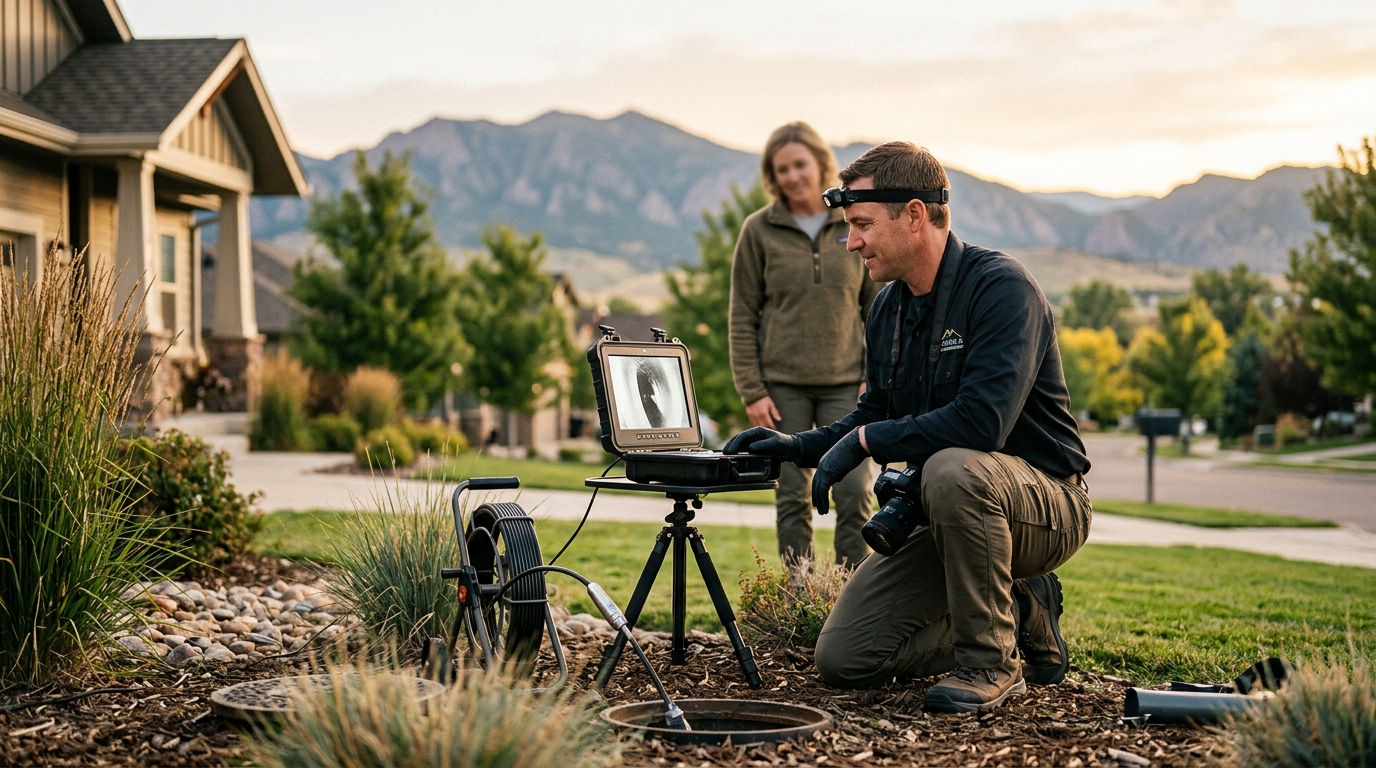
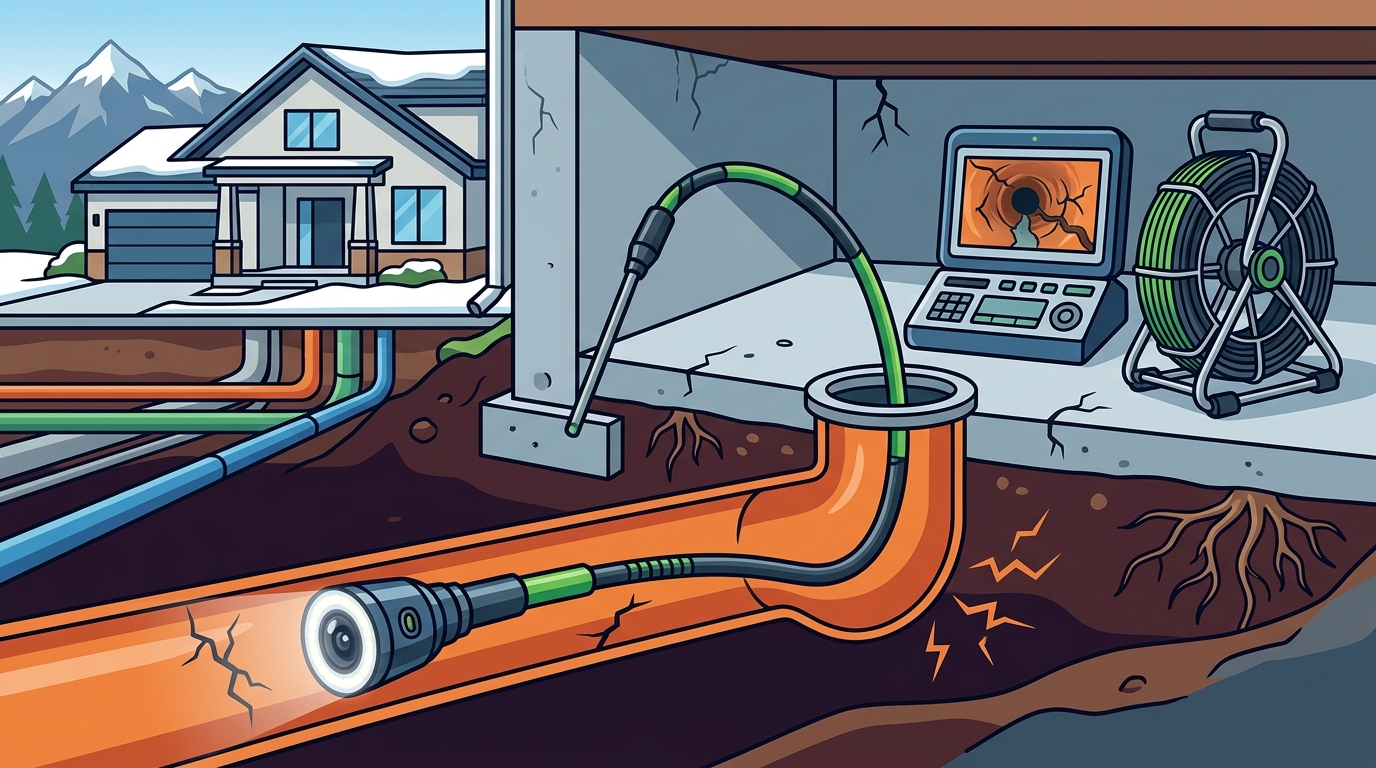
A sewer scope inspection is a targeted diagnostic service that provides a live video feed of the interior of a home's sewer lateral. The sewer lateral is the pipe that connects the house to the main municipal sewer line or septic tank. During this process, a flexible cable with a high-resolution camera is fed through the cleanout pipe or through a toilet. The camera travels the entire length of the line, transmitting real-time video to a monitor.
This technology allows the inspector to identify structural failures, blockages, and invasive root systems that are invisible to the naked eye. The inspection covers the pipe from the house to the street connection. It is distinct from a standard home inspection, which typically only evaluates the visible plumbing fixtures inside the home. For a comprehensive understanding of your property's condition, you must request this specific add-on service. Learn more about our sewer scoping services to understand the depth of coverage provided.
Colorado Soil Challenges and Pipe Damage
Northern Colorado presents unique geological challenges that accelerate pipe degradation. The region is characterized by expansive clay soils that shift significantly with changes in moisture levels. These soils expand when wet and contract when dry, creating immense pressure on underground pipes. This constant movement can cause pipes to crack, shift, or collapse over time.
Additionally, the freeze-thaw cycles common in Colorado winters exacerbate these issues. When water trapped in the soil freezes, it expands, pushing against the pipe walls. When it thaws, the soil settles, potentially leaving gaps or causing misalignment. According to data from the National Weather Service, Northern Colorado experiences an average of 100 to 150 days of freezing temperatures annually, contributing to significant ground movement. This environmental stressor makes sewer lines in Fort Collins, Loveland, and Windsor particularly vulnerable to failure.
Common Sewer Line Issues in Northern Colorado
Understanding the specific threats to sewer lines in this region helps homebuyers prioritize their inspection needs. The most prevalent issues include root intrusion, bellied pipes, and corrosion.
Root Intrusion
Tree roots are naturally attracted to the moisture and nutrients found in sewer lines. In older neighborhoods with mature landscaping, roots can penetrate small cracks or loose joints. Once inside, they grow rapidly, creating dense mats that block flow and eventually break the pipe. This is a leading cause of sewer line failure in established communities.
Bellied Pipes
A "bellied" pipe occurs when a section of the sewer line sinks due to soil erosion or shifting. This creates a low spot where water and waste collect instead of flowing freely to the main line. Over time, this standing water leads to corrosion and further structural damage. Bellied pipes are common in areas with unstable soil composition.
Corrosion and Age
Older homes often feature cast iron or clay pipes that degrade over decades. Cast iron pipes can rust through from the inside out, while clay pipes are prone to cracking from external pressure. If you are buying a home built before 1980, the likelihood of significant pipe deterioration is high.
Cost vs. Repair Savings
The financial argument for a sewer scope inspection is compelling. The cost of the inspection is a fraction of the potential repair bill. Standard home inspections rarely include sewer line evaluation. Without a scope, you might close on a home only to discover a collapsed line weeks later.
Repairing a sewer line can cost between $3,000 and $15,000 or more, depending on the depth, length, and accessibility of the pipe. Trenchless repair methods like pipe bursting or lining are less invasive but still expensive. Traditional excavation requires breaking up driveways, landscaping, and hardscaping, adding significant labor costs. A sewer scope inspection provides the leverage needed to negotiate repairs or a price reduction before closing.
Choosing the Right Inspector
Not all home inspectors offer sewer scoping. You need a provider with specialized equipment and certification. Look for an inspector who is certified in sewer scoping and uses high-definition video recording technology. The report should include a video recording of the inspection for your records and future reference.
Foothills Home Inspections offers certified sewer scoping services in Northern Colorado. Our process ensures that every inch of the line is examined. We provide a detailed report with video evidence, allowing you to make an informed decision. Our team is dedicated to uncovering hidden defects that protect your investment. We serve Loveland, Windsor, Fort Collins, and surrounding areas.
Key Takeaways
- Hidden Risks: Standard home inspections do not cover underground sewer lines, leaving a critical gap in due diligence.
- Colorado Geology: Expansive clay soils and freeze-thaw cycles in Northern Colorado cause significant pipe shifting and damage.
- Cost Efficiency: The cost of a sewer scope is minimal compared to the $3,000 to $15,000+ potential repair costs.
- Root Intrusion: Mature trees in older Northern Colorado neighborhoods are a primary cause of sewer line blockages and breaks.
- Negotiation Power: Video evidence from a sewer scope provides concrete data for negotiating repairs or price reductions.
- Specialized Certification: Ensure your inspector is specifically certified in sewer scoping, not just general home inspection.
- Local Expertise: Local inspectors understand the specific soil and environmental challenges affecting pipes in Fort Collins and Loveland.
Frequently Asked Questions
How long does a sewer scope inspection take?
A typical sewer scope inspection takes between 30 to 60 minutes, depending on the length of the line and the accessibility of the cleanout. The inspector must ensure the camera reaches the main sewer connection or septic tank to verify the entire line.
Do I need a sewer scope if the home is new construction?
While less common, new construction homes can still have sewer line issues due to improper installation, soil settling, or debris left in the line during construction. A sewer scope provides peace of mind that the builder installed the line correctly.
What happens if the sewer scope reveals a problem?
If a problem is found, you can negotiate with the seller to repair the line or provide a credit at closing. In severe cases, you may choose to walk away from the purchase. The video evidence provides a clear basis for these negotiations.
Can roots be removed from sewer lines?
Roots can be removed using mechanical augering or hydro-jetting. However, if the roots have caused structural damage to the pipe, the pipe itself may need to be repaired or replaced. A sewer scope determines whether simple cleaning is sufficient or if major repair is needed.
How often should I get a sewer scope inspection?
Homebuyers should get a sewer scope before purchasing a home. Existing homeowners with older properties or mature trees should consider periodic inspections every few years to monitor the condition of their lines.
Is a sewer scope included in a standard home inspection?
No, a sewer scope is a specialized add-on service. It requires specific equipment and expertise that general home inspectors may not possess. You must request it separately.
What is the average cost of a sewer scope in Colorado?
The cost varies by provider and property size, but it is generally a few hundred dollars. This is a small price to pay for the protection against tens of thousands in potential repairs.
Schedule Your Sewer Scope Inspection Today
Do not leave your home purchase to chance. Protect your investment with a professional sewer scope inspection from Foothills Home Inspections. We provide detailed reports and video evidence to help you make confident decisions. Book your inspection online or call us at 970-567-8180 to schedule a same-day or next-day service. We serve Fort Collins, Loveland, Windsor, and all of Northern Colorado.