

Buying a home is a significant investment that requires careful scrutiny of every detail. According to the American Society of Home Inspectors, a standard home inspection covers the visible structure, systems, and components of a home, providing a snapshot of its current condition. This report is not a pass or fail grade. It is a detailed diagnostic tool that helps you understand the property's health. Foothills Home Inspections serves Northern Colorado with certified, insured inspectors who provide clear, actionable reports. Understanding these findings allows you to negotiate effectively and plan for future maintenance.
Understanding Report Structure and Severity
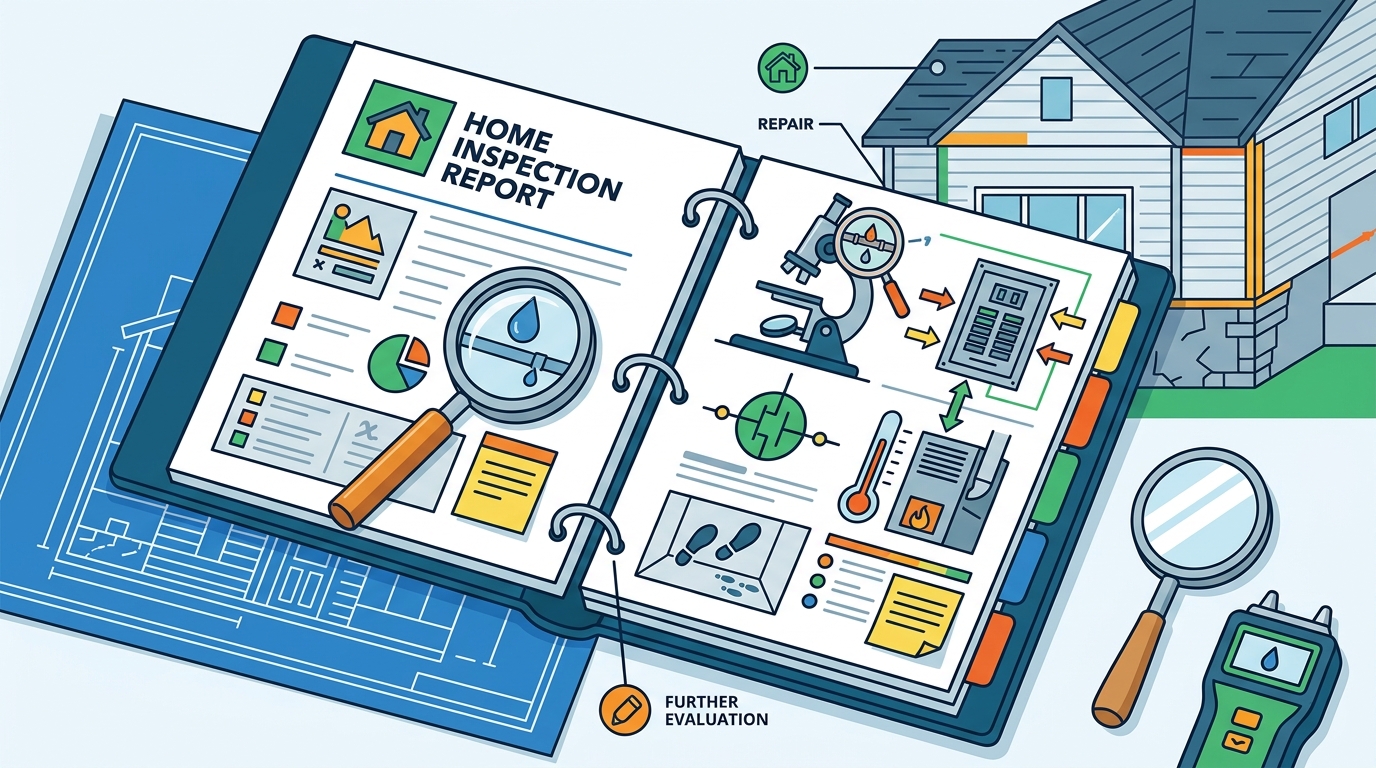
Home inspection reports can be dense with technical jargon and hundreds of photos. The first step in interpretation is recognizing how the inspector categorizes issues. Most professional inspectors, including those at Foothills Home Inspections, use a severity rating system. This system helps prioritize what needs immediate attention versus what is merely cosmetic.
Typically, findings are grouped into three main categories: Safety Hazards, Major Defects, and Minor Defects. A Safety Hazard is an item that poses an imminent risk of personal injury. These require immediate remediation. A Major Defect is a significant failure of a major system component that may require costly repairs. A Minor Defect is a component that is nearing the end of its service life or has a minor issue that does not pose an immediate safety risk.
When you receive your report, start by reading the summary or executive overview. This section highlights the most critical findings. Do not get lost in the minor details initially. Focus on the items that affect the structural integrity and safety of the home. For a deeper dive into our inspection process, visit our About Us page to learn about our commitment to education and transparency.
Identifying Critical Safety Defects
Critical safety defects are the non-negotiable items in any home inspection report. These include issues like exposed wiring, gas leaks, missing GFCI outlets in wet areas, and structural failures. According to the National Association of Realtors, safety issues are the primary reason buyers request repairs or credits during the inspection contingency period.
Electrical issues are particularly dangerous. Look for findings related to aluminum wiring, which was common in homes built between the 1960s and 1970s. Aluminum wiring can expand and contract with temperature changes, leading to loose connections and potential fire hazards. If your report flags this, you need a licensed electrician to evaluate the system immediately.
Gas leaks are another critical finding. Even a small leak can lead to carbon monoxide poisoning or explosion. If the inspector notes a smell of gas or a faulty gas line, do not occupy the home until a professional has certified the system is safe. These findings are immediate red flags that must be addressed before closing or as a condition of the sale.
Analyzing Major Systems and Components
After addressing safety hazards, turn your attention to the major systems. These include the roof, foundation, plumbing, and HVAC (Heating, Ventilation, and Air Conditioning). Each of these systems has a lifespan and a set of common failure points.
The roof is often the most expensive component to replace. Look for findings related to the age of the roof, the condition of the shingles, and the integrity of the flashing. Flashing is the metal material used to prevent water from entering the home at joints. If the report notes deteriorated flashing, it indicates a high risk of water intrusion and subsequent mold growth. For more information on our roofing inspection standards, check our Home Inspection services page.
The foundation is the backbone of the home. Findings related to foundation cracks, settling, or moisture intrusion are serious. Minor hairline cracks are common in concrete and may not be structural. However, wide cracks, stair-step cracks in brick, or doors that stick can indicate significant movement. If the report highlights foundation issues, you may need a structural engineer for a specialized evaluation.
Plumbing systems are hidden but vital. Look for findings about the material of the pipes. Polybutylene pipes, used in the 1970s and 1980s, are prone to failure. Galvanized steel pipes can corrode from the inside out, leading to low water pressure and leaks. If the inspector notes outdated plumbing, factor in the cost of repiping the home.
Radon Testing and Sewer Scoping Insights
In Northern Colorado, specific environmental factors require additional testing beyond the standard home inspection. Radon is a radioactive gas that can accumulate in homes and is the second leading cause of lung cancer. According to the Environmental Protection Agency, radon testing is essential in many parts of the United States, including Colorado. Foothills Home Inspections offers professional radon testing to ensure your family's safety.
Sewer scoping is another critical service for older homes. The main sewer line connects your home to the municipal sewer system or a septic tank. Over time, these lines can crack, collapse, or be invaded by tree roots. A sewer scope uses a camera to inspect the entire length of the line. If the report notes root intrusion or a broken pipe, the cost of repair can be substantial, often requiring trenching or trenchless technology.
These specialized tests are not always included in a standard home inspection. It is crucial to request them explicitly if you are buying a home in an area prone to radon or with older sewer infrastructure. Our Radon Testing and Sewer Scoping services provide the detailed data you need to make an informed decision.
Using Findings for Negotiation Strategies
Once you understand the report, you can use the findings to negotiate with the seller. The goal is not to demand that every minor issue be fixed. Instead, focus on the safety hazards and major defects. You can request that the seller make the repairs, provide a credit at closing, or lower the purchase price.
When requesting repairs, get estimates from licensed contractors. This adds credibility to your request and ensures the seller knows the true cost of the issues. For example, if the roof is near the end of its life, you might request a credit for a new roof rather than asking the seller to replace it. This gives you control over the quality of the work.
Remember that the inspection contingency period is your window for negotiation. Do not wait until the last day to review the report. Work with your real estate agent to prioritize your requests. Some issues are deal-breakers, while others are minor inconveniences. Know your bottom line and be prepared to walk away if the seller is unwilling to address critical safety or structural issues.
Long-Term Maintenance Planning
A home inspection report is also a maintenance guide for the future. Use the findings to create a long-term maintenance plan. Identify items that are nearing the end of their service life and budget for their replacement. This proactive approach can save you thousands of dollars in emergency repairs.
For instance, if the report notes that the water heater is 10 years old, plan to replace it within the next few years. If the HVAC system is showing signs of wear, schedule regular maintenance to extend its life. Foothills Home Inspections provides detailed reports that help you understand the condition of every component, allowing you to plan effectively.
Keep the report in a safe place and refer to it annually. Compare the current condition of the home to the inspection findings. This will help you track the progression of any issues and ensure that maintenance is performed on time. For more tips on home maintenance, explore our Articles section.
Key Takeaways
- Safety First: Prioritize addressing safety hazards like electrical and gas issues immediately.
- Major Defects: Focus negotiations on major system failures such as roof, foundation, and plumbing issues.
- Specialized Testing: Always consider radon testing and sewer scoping in Northern Colorado.
- Get Estimates: Use contractor estimates to support your negotiation requests for repairs or credits.
- Maintenance Planning: Use the report to create a long-term budget for home maintenance and replacements.
- Professional Insight: Rely on certified inspectors like those at Foothills Home Inspections for accurate assessments.
- Timely Action: Review the report promptly and act within the inspection contingency period.
Frequently Asked Questions
What is the difference between a home inspection and a home warranty?
A home inspection is a one-time evaluation of the home's condition at the time of purchase. A home warranty is a service contract that covers the repair or replacement of major systems and appliances for a period after you move in. They serve different purposes and are not interchangeable.
How long does it take to receive a home inspection report?
Most professional inspectors, including Foothills Home Inspections, provide reports within 24 hours of the inspection. This quick turnaround allows you to make timely decisions during the negotiation period.
Can I attend the home inspection?
Yes, it is highly recommended that you attend the inspection. This gives you the opportunity to ask questions, see issues firsthand, and learn about the home's maintenance needs. Your inspector can walk you through the findings and explain the severity of each issue.
What is radon and why is it important?
Radon is a colorless, odorless radioactive gas that can seep into homes from the ground. It is the second leading cause of lung cancer. Testing for radon is essential in many areas, including Northern Colorado, to ensure your family's safety.
What is a sewer scope and when is it needed?
A sewer scope is a video inspection of the main sewer line from the home to the street or septic tank. It is needed to check for blockages, cracks, or root intrusion. It is particularly important for older homes or those with mature trees nearby.
How do I interpret the severity ratings in the report?
Severity ratings typically categorize issues as Safety Hazards, Major Defects, or Minor Defects. Safety Hazards require immediate attention. Major Defects are significant failures that may need costly repairs. Minor Defects are cosmetic or nearing the end of their service life.
What should I do if the inspection reveals major issues?
If major issues are found, consult with your real estate agent to determine the best course of action. You may request repairs, a price reduction, or a credit at closing. In some cases, you may choose to walk away from the purchase if the issues are too severe.
Schedule Your Professional Home Inspection
Understanding your home inspection report is crucial for making a confident real estate decision. Do not navigate this complex process alone. Foothills Home Inspections provides certified, insured, and detailed home inspections in Northern Colorado. Our team is dedicated to educating you on every finding, ensuring you are well-informed and prepared for the future. Contact us today to schedule your inspection and gain peace of mind.