
Common Mistakes When Reading Home Inspection Reports and How to Avoid Them
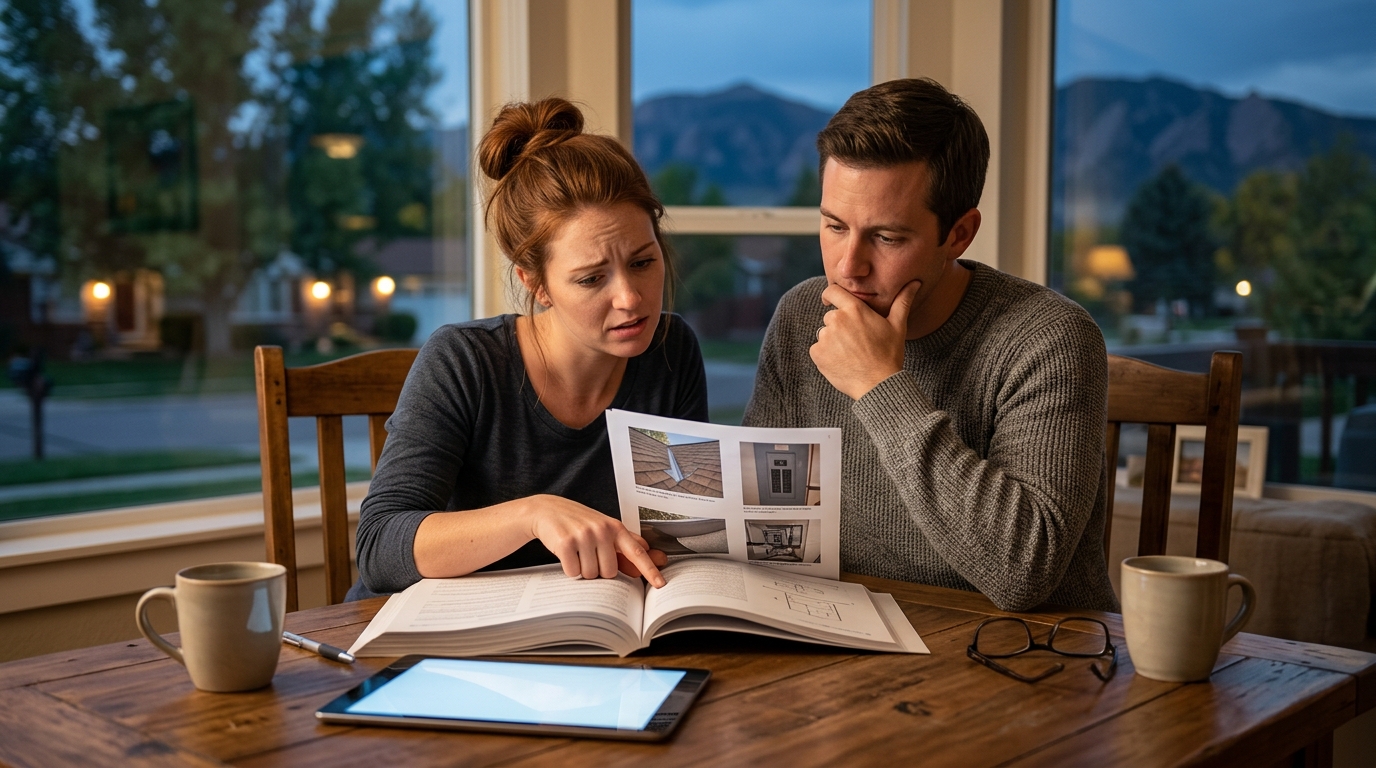
Home inspection reports are dense documents filled with technical jargon, photos, and critical safety warnings. According to the American Association of Home Inspectors, the average home inspection report contains over 500 distinct observations, making it easy for buyers to miss critical details. Many first-time homebuyers treat the report as a final verdict rather than a negotiation tool. This misunderstanding can lead to costly oversights or unnecessary panic. Understanding how to navigate this document is essential for protecting your real estate investment. (About Us Foothills Home)
Mistake 1: Confusing Defects with Maintenance
One of the most frequent errors buyers make is treating every item in the report as a deal-breaker. Home inspectors categorize findings based on urgency and severity. A common misconception is that any noted issue requires immediate repair. In reality, many items are merely cosmetic or routine maintenance tasks. For example, a loose door handle or a worn weatherstrip is not a structural defect. It is a maintenance item that can be addressed later. Understanding this distinction helps you prioritize your negotiation strategy effectively. (Avoid the Biggest)
When you see a recommendation for maintenance, ask yourself if it impacts the home's safety or value. Minor wear and tear is expected in any property. Foothills Home Inspections emphasizes educating clients on these nuances to prevent unnecessary anxiety. By distinguishing between a critical defect and a minor maintenance task, you can focus your resources on the issues that truly matter. This approach allows you to negotiate repairs for significant problems while walking away from trivial complaints.
Mistake 2: Ignoring the Executive Summary
Many readers dive straight into the detailed pages without reviewing the summary. The executive summary provides a high-level overview of the home's condition. It highlights the most critical findings that require immediate attention. Skipping this section is a major mistake because it obscures the most urgent risks. According to InterNACHI, home inspectors provide significant value by helping buyers understand these priorities. They see beyond the aesthetics to identify hidden dangers.
The summary often includes a rating system for different components of the house. Look for items marked as "Critical" or "Major." These are the findings that could affect your safety or require substantial financial investment. If the summary indicates a failing roof or a compromised foundation, you must address these before closing. Ignoring the summary is like reading the last chapter of a mystery novel first. You miss the context needed to understand the full story of the property.
Overlooking Radon and Sewer Risks
Standard home inspections often do not include radon testing or sewer scoping. These are specialized services that require additional expertise and equipment. Many buyers assume the standard report covers everything. This assumption can lead to catastrophic oversights. Radon is a colorless, odorless gas that can accumulate in homes and cause lung cancer. Sewer line issues can result in expensive repairs that are not visible during a walk-through.
In Northern Colorado, radon levels can vary significantly by region. It is crucial to request a radon test if one is not included in your initial inspection. Similarly, a sewer scope inspection uses a camera to examine the line from the house to the street. This reveals cracks, root intrusion, or blockages that could cost tens of thousands of dollars to repair. Foothills Home Inspections offers both radon testing and sewer scoping to provide a complete picture of the property's health. Do not skip these critical steps to save money. The cost of these tests is negligible compared to the potential repair bills.
Misinterpreting New Construction Issues
Buying a new home does not mean the property is perfect. A common mistake is assuming that new construction requires no inspection. In fact, newer properties often have problems resulting from original construction issues or neglected maintenance during the building process. Home inspectors provide significant value for new homes by assisting with warranties and identifying builder defects. It is important not to judge a book by its cover. Inspectors see beyond the fresh paint and new carpet to find underlying issues.
Builder warranty inspections are designed to catch these early-stage problems. They ensure that the builder fixes defects before you move in. Common issues in new builds include improper grading, faulty window installations, and HVAC system imbalances. If you skip this inspection, you may be stuck with repairs that should have been covered by the builder's warranty. Always request a builder warranty inspection to protect your investment. This step ensures that the home is truly ready for occupancy.
Failing to Follow Up on Recommendations
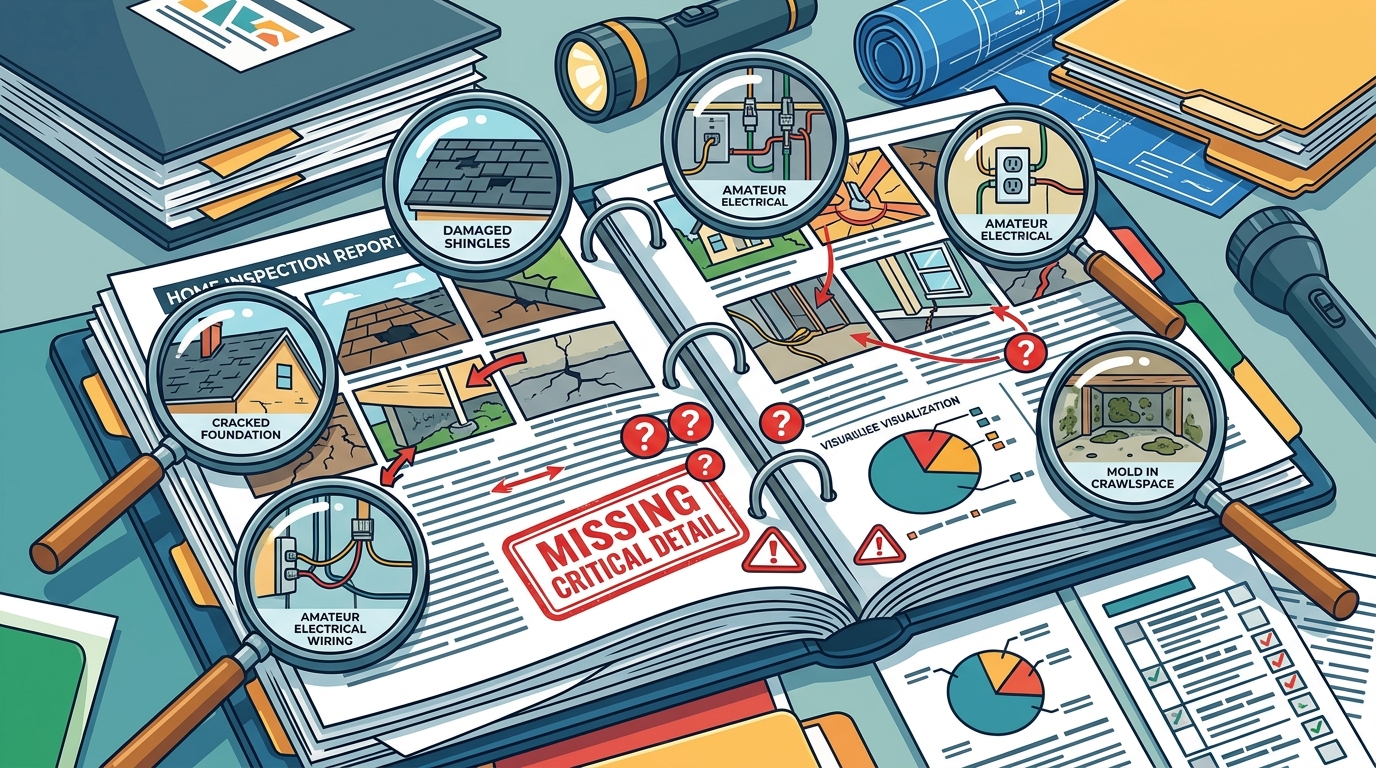
Receiving the report is only the first step. The biggest mistake buyers make is failing to follow up on the inspector's recommendations. The report is a snapshot of the home's condition at the time of inspection. It points out areas that need further evaluation by specialists. For example, if the inspector notes potential electrical issues, you should hire a licensed electrician to verify the findings. Ignoring these recommendations can lead to safety hazards and costly repairs down the line. (Avoid the Biggest)
According to the American Association of Home Inspectors, the bigger mistake is treating the inspection as a promise that there are no hidden issues. You must follow up when the report points to something serious. This might involve getting quotes for repairs or negotiating credits with the seller. If you do not act on the report, you are taking on the risk yourself. Always review the report with your real estate agent and inspector to create a clear action plan. This ensures that you are fully informed and protected.
Comparison of Inspection Services
Understanding the scope of different inspections is vital for making informed decisions. The table below outlines the key differences between standard home inspections and specialized services.
| Service Type | Primary Focus | Recommended For | Cost Implication |
|---|---|---|---|
| Standard Home Inspection | Structural, electrical, plumbing, HVAC | All home buyers | Base cost |
| Radon Testing | Radon gas levels | Buyers in high-risk zones | Additional fee |
| Sewer Scoping | Sewer line integrity | Older homes or tree-lined streets | Additional fee |
| Builder Warranty Inspection | Construction defects | New construction buyers | Base cost |
Key Takeaways
- Context is Key: Always review the executive summary first to identify critical defects before diving into details.
- Distinguish Categories: Learn to differentiate between critical defects, major repairs, and routine maintenance items.
- Specialized Tests: Standard inspections do not cover radon or sewer lines. Request these separately for a complete assessment.
- New Homes Need Inspection: New construction often has builder defects that require a specific warranty inspection.
- Follow Up: Act on the inspector's recommendations by hiring specialists or negotiating with the seller.
- Local Expertise: Northern Colorado has unique environmental factors like radon risks that require local knowledge.
- Professional Support: Work with a certified inspector who educates you on the findings rather than just listing them.
Frequently Asked Questions
How long does it take to receive a home inspection report?
Foothills Home Inspections provides home inspection reports back to you within 24 hours of the completed inspection. This quick turnaround allows you to make timely decisions regarding your purchase.
What is the difference between a home inspection and a home warranty?
A home inspection is a one-time evaluation of the property's condition at the time of purchase. A home warranty is a service contract that covers repairs or replacements of home systems and appliances for a period after you move in. They serve different purposes in the home buying process.
Do I need a sewer scope if the house is new?
Even new homes can have sewer line issues due to improper installation or soil shifting. A sewer scope inspection is highly recommended to ensure the line is clear and intact. This protects you from unexpected and expensive repairs later.
What should I do if the inspection reveals major issues?
If major issues are found, review the report with your real estate agent. You can negotiate repairs, request a price reduction, or walk away from the deal. Do not panic. The inspection gives you leverage and information to protect your investment.
Is radon testing necessary in Northern Colorado?
Yes, radon levels can vary by region in Northern Colorado. It is a serious health risk that is invisible and odorless. Foothills Home Inspections offers radon testing to ensure your family's safety. It is a critical step in the home buying process.
Can I attend the home inspection?
Yes, attending the inspection is highly recommended. It allows you to see the issues firsthand and ask questions directly to the inspector. This helps you understand the home's condition better and learn about maintenance tips.
How much does a home inspection cost?
The cost varies based on the size of the home and the services requested. Larger homes and additional services like radon testing or sewer scoping will increase the price. However, the cost is a small fraction of the home's value and is well worth the peace of mind.
Ready to Protect Your Investment?
Don't let common mistakes compromise your home buying experience. Foothills Home Inspections provides certified, insured, and thorough home inspections in Northern Colorado. We help you understand your report and make informed decisions. Schedule your inspection online today or call us at 970-567-8180 to get started.