
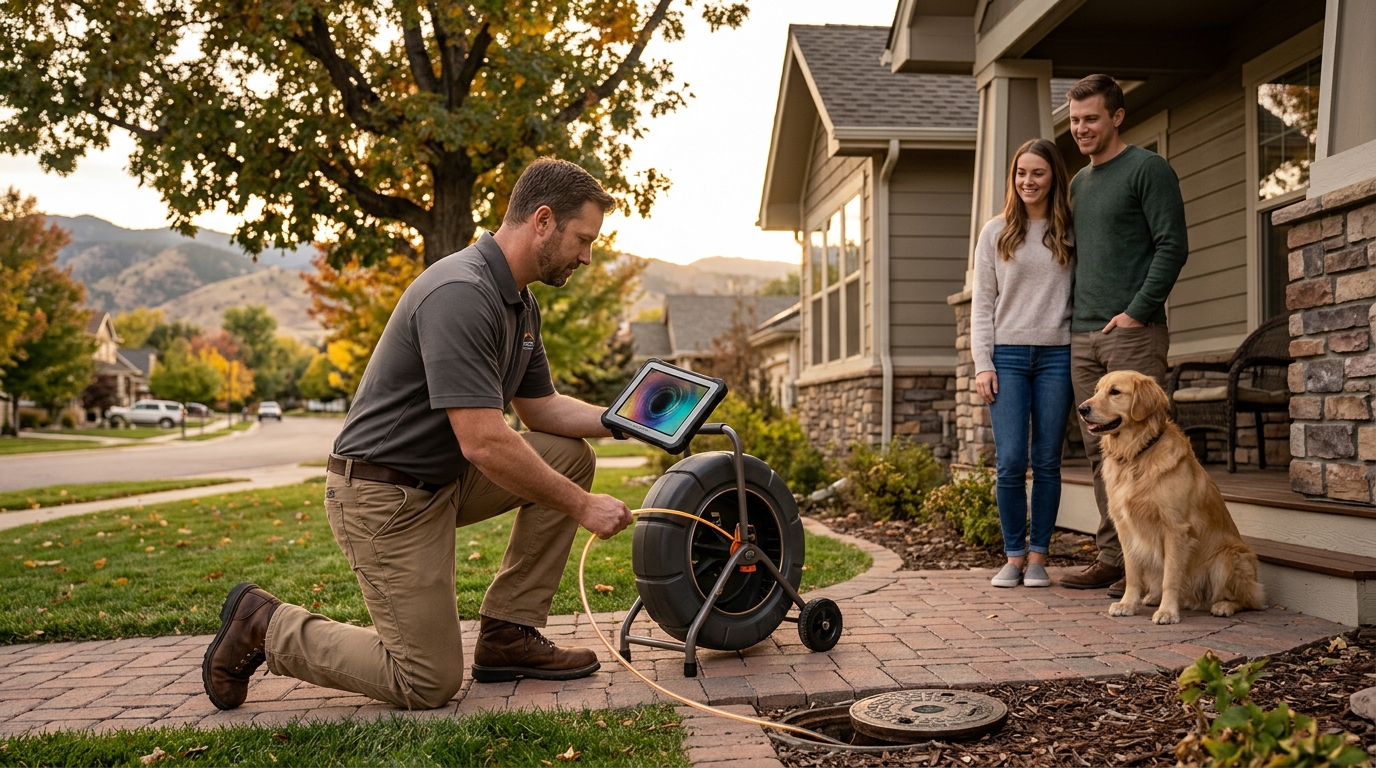
Buying a home is a significant investment that requires more than just looking at the curb appeal. While most buyers focus on the roof, foundation, and HVAC systems, the underground infrastructure often holds the most expensive secrets. A sewer scoping inspection uses specialized camera technology to examine the condition of your home's main sewer line. This process reveals hidden blockages, root intrusions, and structural damage that standard visual inspections cannot detect. Without this critical step, you risk facing repair bills that can easily exceed thousands of dollars immediately after closing.
What Is a Sewer Scope Inspection?
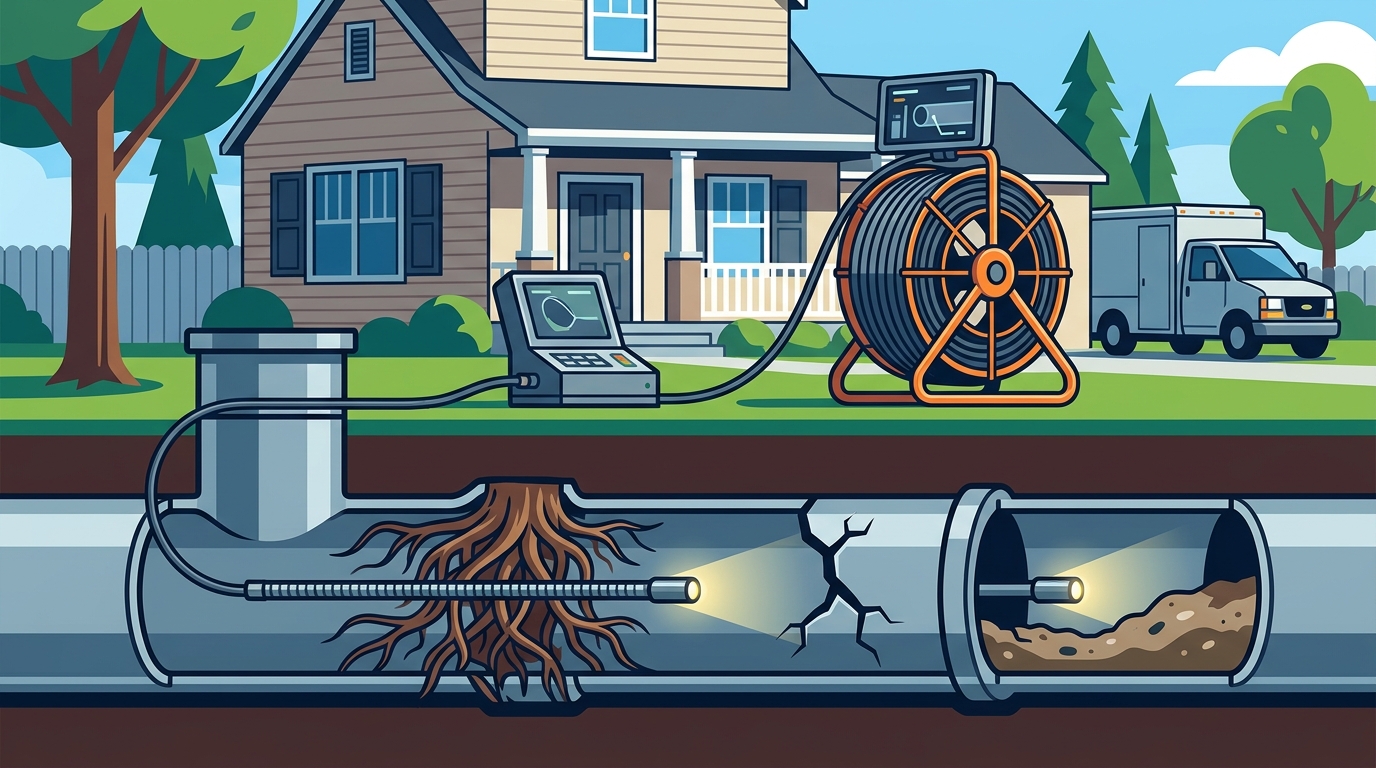
A sewer scope is a diagnostic procedure where a flexible, waterproof camera is inserted into the main sewer line. The camera travels from the house to the municipal sewer main or septic tank, providing a live video feed of the pipe's interior. This technology allows inspectors to identify issues that are invisible to the naked eye. The inspection covers the entire length of the lateral line, which is the responsibility of the homeowner.
The term sewer scoping refers specifically to this video inspection process. It is distinct from a standard home inspection, which typically only checks visible plumbing fixtures. A sewer scope goes underground to ensure the path to the street is clear and structurally sound. This service is particularly vital in older neighborhoods where pipes may be made of clay or cast iron, materials that degrade over time.
Why It Is Necessary for Homebuyers
The primary reason for a sewer scope is financial protection. The main sewer line is a buried asset that is extremely difficult and expensive to replace. If the line is damaged, you are responsible for the entire cost, not just the portion under your yard. According to industry data, replacing a main sewer line can cost between $3,000 and $10,000 or more, depending on depth and accessibility. This makes the small cost of a scope a powerful negotiation tool.
Home inspectors in Northern Colorado, such as those at Foothills Home Inspections, emphasize that this inspection is not optional for savvy buyers. The soil in regions like Fort Collins and Loveland can shift, causing pipes to crack or separate. Additionally, tree roots are attracted to the moisture and nutrients in sewer lines. They can penetrate tiny cracks and grow rapidly inside the pipe, causing complete blockages. A sewer scope reveals these root intrusions before they become catastrophic failures.
Furthermore, municipal sewer lines can also have issues. If the connection to the city main is blocked or collapsed, the homeowner may still be liable for repairs up to the point of connection. A comprehensive scope verifies that the lateral line is clear and properly connected. This due diligence prevents the "buyer beware" scenario where you inherit a neighbor's plumbing disaster.
Cost vs. Risk Analysis
When evaluating the necessity of a sewer scope, it is helpful to compare the upfront cost against the potential risk. A typical sewer scope inspection costs between $250 and $500. In contrast, the cost to excavate and replace a sewer line can range from $5,000 to $25,000. This ratio makes the inspection a highly efficient insurance policy. The inspection provides immediate clarity on the remaining lifespan of the pipe.
Consider the following comparison of potential outcomes:
| Scenario | Inspection Cost | Repair Cost | Outcome |
|---|---|---|---|
| Clear Line | $300 | $0 | Peace of mind and clean bill of health. |
| Minor Roots | $300 | $500-$1,500 | Can be negotiated or cleared via hydro-jetting. |
| Collapsed Pipe | $300 | $10,000+ | Major negotiation leverage or deal breaker. |
As noted by consumer protection agencies, hidden defects in major systems are among the most common sources of post-purchase disputes. By identifying these issues early, you can request repairs, ask for a credit, or walk away from the deal. This strategic advantage is invaluable in a competitive real estate market.
Common Issues Detected
During a sewer scope, inspectors look for specific red flags that indicate future problems. Understanding these issues helps you interpret the report accurately. The most common findings include root intrusion, bellied pipes, and corrosion.
Root Intrusion is the most frequent issue found in sewer lines. Tree roots seek out water and can enter through small joints or cracks. Once inside, they expand and create a net that catches debris, leading to frequent clogs. If roots are present, the line may need to be cleared and monitored closely.
Bellied Pipes occur when the soil around the pipe shifts, causing a section to sag. This creates a low spot where water and waste collect instead of flowing freely. Over time, this leads to persistent blockages and potential pipe collapse. A sewer scope clearly shows these dips in the pipe's trajectory.
Corrosion and Breaks are common in older homes with cast iron or clay pipes. These materials degrade over decades, becoming brittle and prone to cracking. A camera inspection reveals the extent of the damage, allowing you to assess whether the pipe can be lined or must be fully replaced. For more details on sewer scoping services, review the specific methodologies used by certified professionals.
Choosing the Right Inspector
Not all home inspectors offer sewer scoping. It requires specialized equipment and training to operate the camera and interpret the video feed accurately. When selecting a provider, look for certifications and experience. Foothills Home Inspections is a locally-owned and -operated company that provides certified sewer scoping in Northern Colorado. Their owner, Daniel Johnson, is sewer scope certified and brings years of construction experience to every inspection.
Ensure your inspector provides a detailed report with video footage. A written summary alone is insufficient because you need to see the condition of the pipe yourself. Look for inspectors who offer same-day or next-day reporting, as delays can impact your closing timeline. In Northern Colorado, areas like Windsor, Wellington, and Greeley have varying soil conditions that affect pipe integrity, making local expertise crucial.
Additionally, verify that the inspector is insured and affiliated with professional organizations. This ensures they adhere to industry standards and provide unbiased assessments. Professional home inspection services should always include a clear explanation of findings and recommendations for next steps.
Key Takeaways
- A sewer scope inspection costs approximately $300, while replacement can exceed $10,000.
- Tree roots are the leading cause of sewer line blockages and damage.
- Homeowners are responsible for the entire lateral line, from the house to the street.
- Foothills Home Inspections has been serving Northern Colorado since 2015.
- Inspections are available in Fort Collins, Loveland, Windsor, and surrounding areas.
- Video footage is essential for understanding the true condition of the pipe.
- Early detection allows for negotiation leverage or timely repairs before closing.
Frequently Asked Questions
How long does a sewer scope inspection take?
A typical sewer scope inspection takes about 30 to 45 minutes. This includes the time to set up the camera, traverse the line, and review the footage. The report is usually delivered within 24 hours.
Can I buy a house without a sewer scope?
While you can legally buy a house without one, it is highly discouraged. The risk of inheriting a failed sewer line is significant and costly. Most experienced buyers and real estate agents recommend it as a standard due diligence step.
What if the sewer line fails the inspection?
If the line fails, you can negotiate with the seller to repair the line, provide a credit at closing, or lower the purchase price. In severe cases, you may choose to walk away from the contract if it is contingent on inspection results.
How often should I get a sewer scope?
It is recommended to get a sewer scope before purchasing a home. For existing homeowners, a scope every 2 to 3 years is advisable, especially if you have large trees near the line.
Does Foothills Home Inspections offer sewer scoping?
Yes, Foothills Home Inspections offers certified sewer scoping services for homes in Northern Colorado. Contact them for scheduling and pricing details.
What is the difference between a sewer scope and a home inspection?
A standard home inspection covers visible systems like plumbing fixtures, electrical, and roofing. A sewer scope specifically examines the underground pipe using a camera, which is not part of a standard visual inspection.
Are sewer scopes necessary for new construction?
Yes, even new homes can have sewer line issues due to improper installation or debris left in the pipe during construction. A scope ensures the builder did their job correctly.
Schedule Your Sewer Scope Today
Do not leave your home purchase to chance. Protect your investment with a professional sewer scope inspection from Foothills Home Inspections. We provide detailed reports and expert analysis to help you make informed decisions. Schedule your inspection online or call 970-567-8180 to secure your appointment today.