
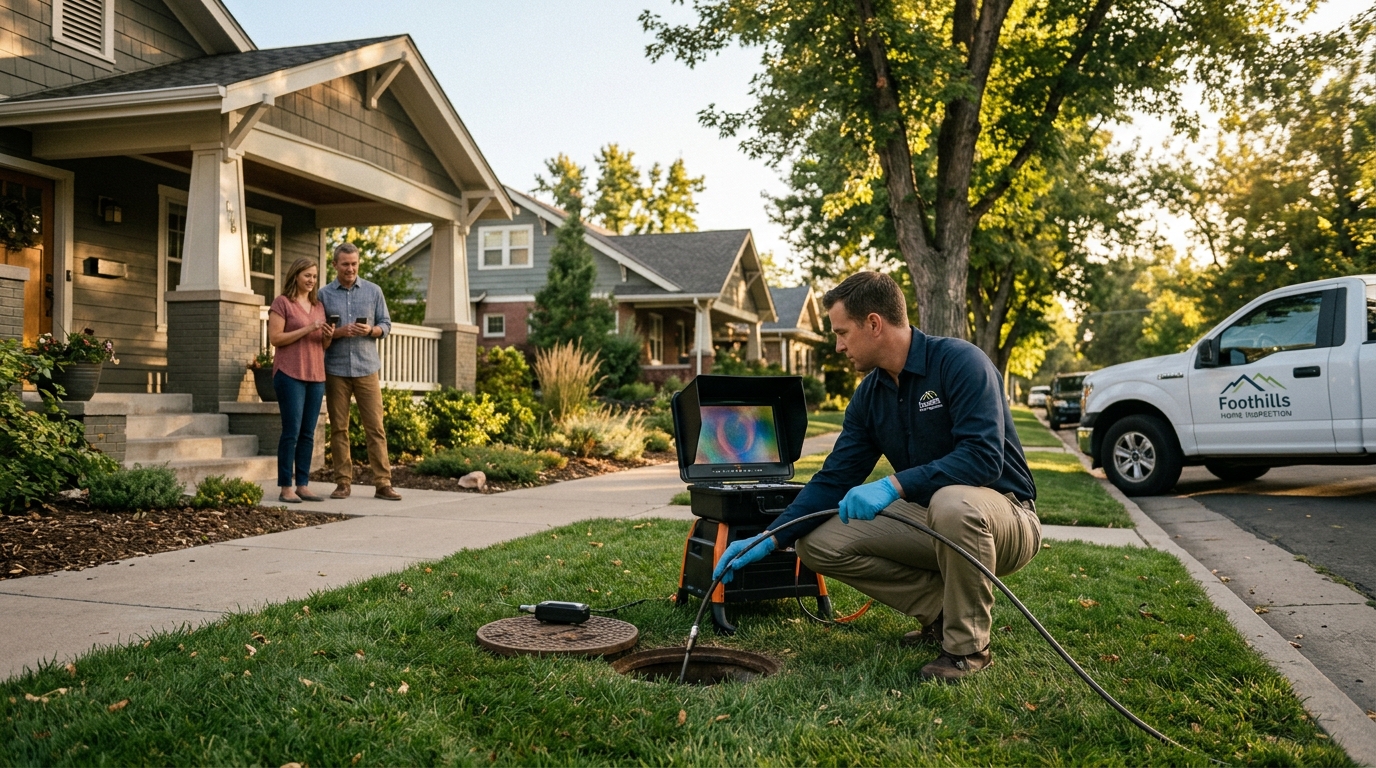
Homebuyers in Northern Colorado often focus heavily on the roof, foundation, and HVAC systems. However, the underground infrastructure connecting your home to the municipal sewer or septic tank is equally critical. A sewer scope inspection uses a specialized camera to examine the condition of your sewer line. According to industry data, failing sewer lines are among the top five most common issues found during home inspections. This article compares the different sewer scope options available to help you make an informed decision.
What Is a Sewer Scope Inspection?
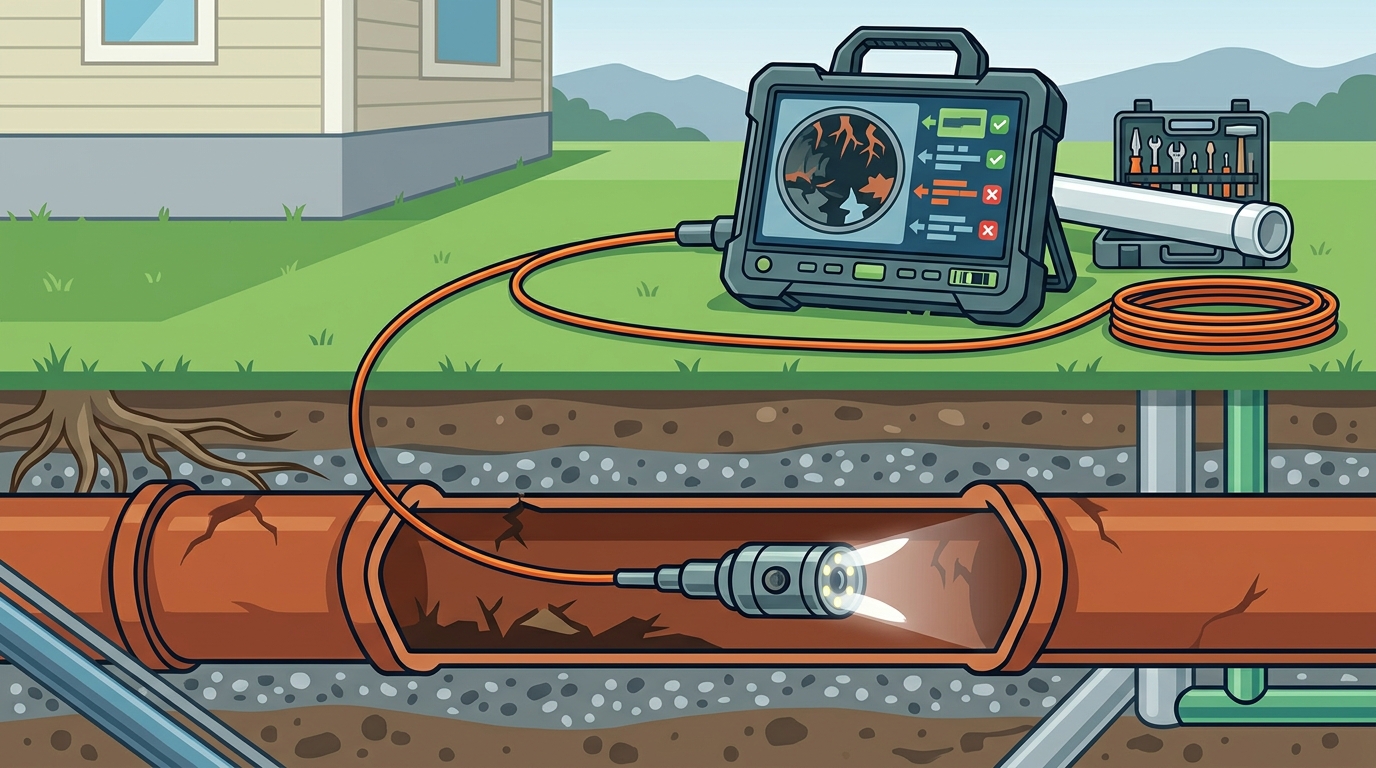
A sewer scope inspection is a diagnostic procedure where a flexible, waterproof camera is inserted into the main sewer line. The camera travels from the home's cleanout or basement drain to the street connection or septic tank. This process allows inspectors to visually identify blockages, cracks, root intrusion, and structural failures that are invisible to the naked eye. Sewer scope inspection is a non-invasive method to assess the integrity of underground plumbing.
For homebuyers in Fort Collins, Loveland, and Windsor, this inspection is particularly vital. Older homes in these areas often have clay or cast-iron pipes that are susceptible to root intrusion and corrosion. The cost of replacing a sewer line can range from $5,000 to $15,000 or more, depending on the depth and length of the line. Identifying these issues before closing can save you thousands of dollars and prevent significant negotiation headaches.
Types of Sewer Scope Options
Not all sewer inspections are created equal. Understanding the different options available will help you choose the right service for your specific property. Here are the primary types of sewer scope inspections you might encounter.
Standard Camera Inspection
The standard sewer scope is the most common option. It involves feeding a high-resolution camera down the main drain line. The inspector records video footage and provides a written report highlighting any defects. This option is sufficient for most homes, particularly those built in the last 30 years with PVC or ABS piping. It provides a clear visual of the pipe's interior condition.
Advanced Sewer Scoping with Mapping
For older properties or those with complex plumbing systems, an advanced sewer scope may be recommended. This option often includes depth measurements and mapping of the line's path. It helps determine the exact location of defects, which is crucial for planning repairs. Advanced sewer scoping provides precise location data for underground infrastructure. This is particularly useful if you are negotiating repairs with the seller, as it gives contractors the exact coordinates needed for trenchless repair or excavation.
Combined Sewer and Drain Inspection
Some comprehensive inspection packages include a broader drain inspection. This goes beyond the main sewer line to check interior drains, cleanouts, and vent stacks. While the main sewer line is the primary concern, issues with interior drains can also indicate systemic plumbing problems. This option is ideal for buyers who want a complete picture of their home's plumbing health.
Cost Analysis and Value
Understanding the cost structure of sewer scope inspections is essential for budgeting. Prices can vary based on the size of the home, the length of the sewer line, and the complexity of the inspection. Here is a comparison of typical costs and what they include.
| Inspection Type | Estimated Cost Range | Best For | Key Benefits |
|---|---|---|---|
| Standard Home Inspection Add-On | $150 - $300 | Newer homes, PVC pipes | Quick assessment, basic video report |
| Advanced Sewer Scoping | $250 - $450 | Older homes, clay pipes | Depth mapping, detailed defect analysis |
| Comprehensive Bundle | $400 - $600 | Buyers seeking full due diligence | Includes radon, sewer, and structural checks |
While the cost may seem like an added expense, the value is undeniable. A failed sewer line can halt a closing process for weeks while repairs are made. By investing in a thorough inspection, you gain leverage in negotiations and peace of mind. Investing in a sewer scope inspection protects your real estate investment from hidden liabilities.
When to Schedule Your Inspection
Timing is critical when it comes to sewer scope inspections. You should schedule this service during your inspection contingency period, typically within the first 7 to 10 days after your offer is accepted. This allows enough time for the inspector to complete the work and for you to review the findings before the contingency expires.
It is also important to ensure the ground is not frozen. In Northern Colorado, winter months can present challenges for sewer scoping if the ground is too hard or if there is excessive snow cover. However, professional inspectors like those at Foothills Home Inspections are equipped to handle various weather conditions. If you are buying in the winter, discuss scheduling options with your inspector early to avoid delays.
Choosing the Right Provider
Not all home inspectors offer sewer scoping services. Some may refer you to a third-party specialist, which can add cost and coordination complexity. Choosing a provider who offers both home inspection and sewer scoping can streamline the process. Look for a provider who is certified, insured, and has experience with the specific types of plumbing found in Northern Colorado homes.
Experience matters. An inspector who has performed hundreds of sewer scopes will be able to identify subtle signs of wear and tear that a less experienced eye might miss. They will also provide a clearer, more actionable report. Choosing a certified inspector ensures accurate diagnosis of plumbing defects. Additionally, check if the provider offers same-day or next-day reporting. In a competitive market, quick turnaround times can be a significant advantage.
Key Takeaways
- Sewer scope inspections reveal hidden defects in underground pipes that are not visible during a standard home inspection.
- Standard camera inspections are suitable for newer homes, while advanced scoping is better for older properties with clay or cast-iron pipes.
- The cost of a sewer scope typically ranges from $150 to $450, which is minimal compared to the $5,000+ cost of sewer line replacement.
- Schedule your inspection during the contingency period to allow time for negotiations or repairs.
- Choose a provider who offers both home inspection and sewer scoping for a streamlined process and faster reporting.
- Foothills Home Inspections has been serving Northern Colorado since 2015, providing certified and insured services.
- Winter inspections are possible but require careful scheduling to account for frozen ground conditions.
Frequently Asked Questions
How long does a sewer scope inspection take?
A typical sewer scope inspection takes between 20 to 45 minutes, depending on the length of the line and the accessibility of the cleanout. The inspector will then spend additional time reviewing the footage and compiling the report.
Do I need a sewer scope if the home is new construction?
While new homes are less likely to have sewer line issues, it is still recommended. Construction debris, improper backfilling, or poor pipe installation can cause problems. A sewer scope ensures that the builder did not damage the line during construction.
What happens if the sewer line fails inspection?
If the sewer line fails, you can negotiate with the seller to repair the line, provide a credit at closing, or lower the purchase price. In some cases, you may choose to walk away from the deal if the repairs are too extensive or costly.
Can roots damage my sewer line?
Yes, tree roots are a common cause of sewer line damage. They seek out moisture and nutrients, often infiltrating small cracks in the pipe. Over time, roots can grow inside the pipe, causing blockages and structural damage.
Is a sewer scope included in a standard home inspection?
Most standard home inspections do not include a sewer scope. It is typically offered as an add-on service. It is important to ask your inspector about this specifically when scheduling your inspection.
How do I know if my home has a sewer line or a septic tank?
Most homes in Northern Colorado cities like Fort Collins and Loveland are connected to municipal sewer systems. Rural properties may have a septic tank. Your inspector will determine the type of system and scope accordingly.
What is the lifespan of a sewer line?
The lifespan of a sewer line depends on the material. PVC pipes can last 50 to 100 years, while clay and cast-iron pipes may last 30 to 50 years. Older homes are more likely to have lines nearing the end of their lifespan.
Schedule Your Sewer Scope Today
Protect your investment in Northern Colorado by scheduling a comprehensive sewer scope inspection with Foothills Home Inspections. Our certified inspectors provide detailed reports and expert advice to help you make confident decisions. Book your inspection online today or call us at 970-567-8180 to schedule a same-day or next-day service.