
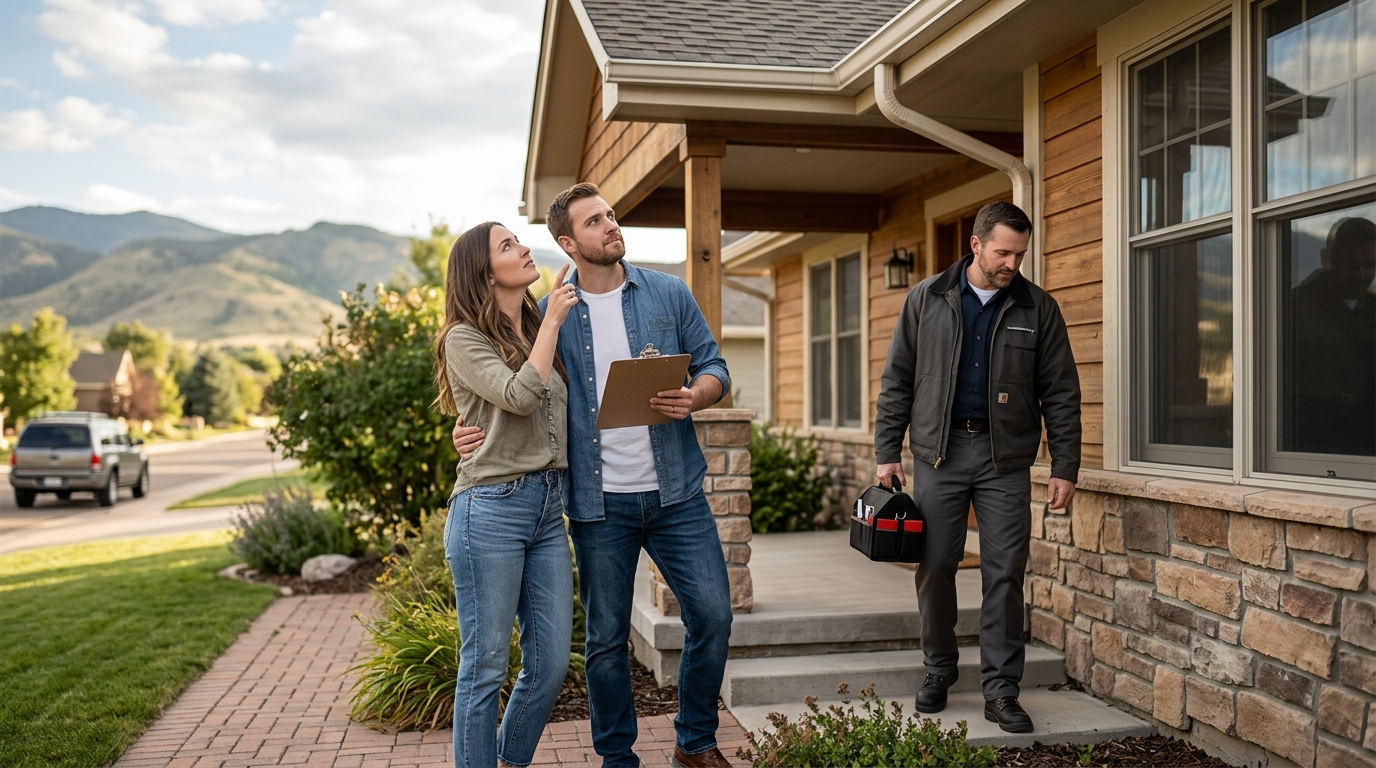
Buying a home represents the largest financial commitment most individuals will ever make. According to recent market data, Fort Collins experienced a 12 percent year-over-year increase in residential transactions during 2024. This rapid market activity makes professional property evaluation absolutely critical. Homebuyers must secure a qualified inspector before waiving contingencies to avoid catastrophic structural surprises. Local professionals understand regional soil composition, seasonal freeze-thaw cycles, and municipal building codes. You should always verify credentials before signing any engagement agreement.
Why Local Expertise Matters in Northern Colorado
Regional climate patterns drastically influence residential infrastructure. Northern Colorado experiences extreme temperature fluctuations that stress foundational materials. A locally-operated inspection team recognizes these environmental stressors immediately. You will benefit from professionals who routinely evaluate properties across Fort Collins, Loveland, and Windsor. These inspectors understand how local water tables interact with basement waterproofing systems. They also recognize vintage construction methods common in established neighborhoods.
Local knowledge directly translates to more accurate diagnostic conclusions. National chains often rely on standardized checklists that miss region-specific vulnerabilities. A locally-owned and -operated company like Foothills Home Inspections prioritizes neighborhood-specific risk factors. This approach ensures you receive actionable insights rather than generic compliance reports. You should always verify that your chosen provider maintains active local licensing and regional insurance coverage.
Core Inspection Services You Must Request
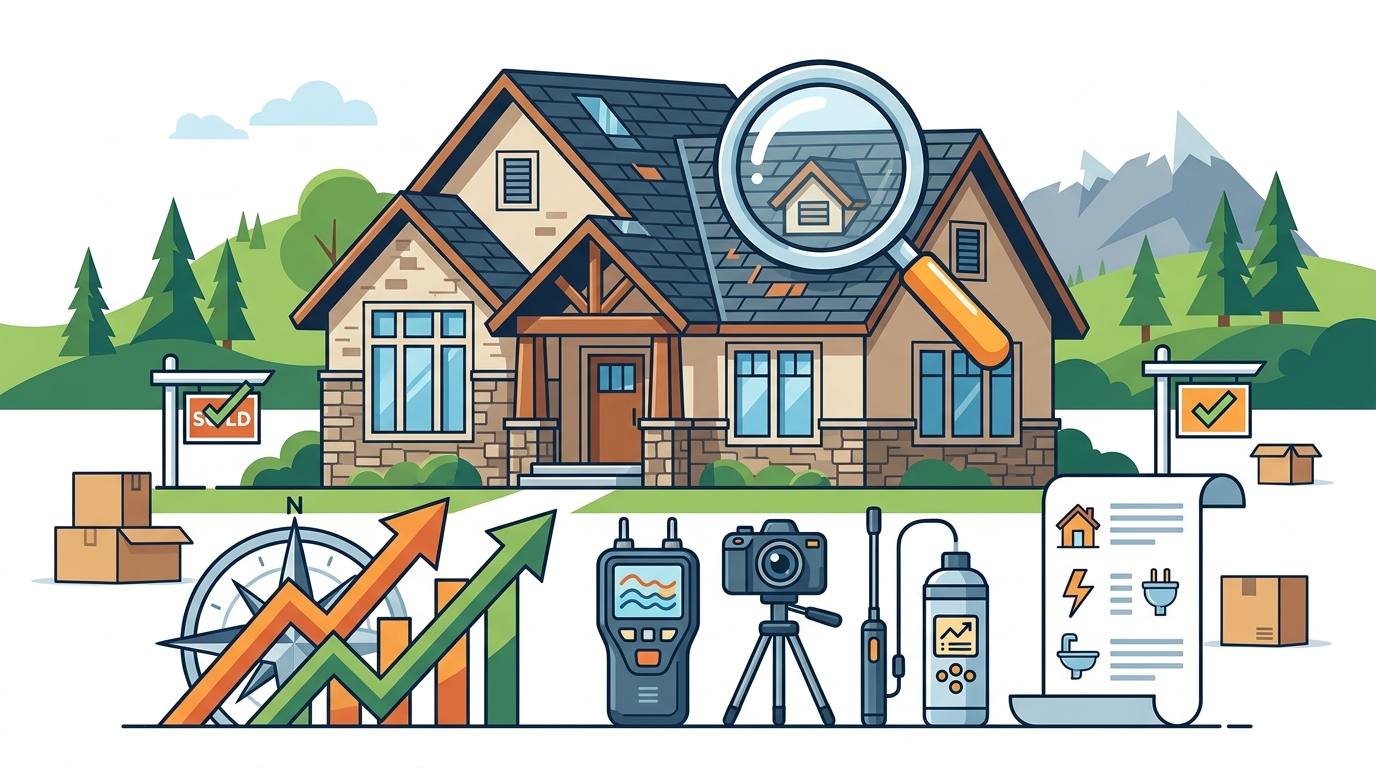
A comprehensive property evaluation requires multiple specialized assessments. Standard visual examinations rarely uncover hidden mechanical failures or environmental hazards. You should always request a complete home inspection that covers roofing, plumbing, electrical panels, and HVAC systems. This foundational assessment establishes the baseline condition of your potential investment. Any qualified provider will document visible defects with photographic evidence and clear descriptions.
Radon testing is a specialized environmental assessment that measures radioactive gas concentrations in residential structures. This colorless, odorless gas accumulates in basements and lower living spaces across the Rocky Mountain region. The Environmental Protection Agency recommends mandatory mitigation when levels exceed four picocuries per liter. You should always schedule this supplemental assessment alongside your primary walkthrough. Radon testing protects your family from long-term respiratory risks.
Sewer scoping represents another critical diagnostic procedure for mature neighborhoods. Older municipal lines frequently suffer from root intrusion, ground settlement, or collapsed joints. A professional camera inspection reveals blockages that standard plumbing tests cannot detect. You should always verify that your inspector utilizes high-resolution video recording equipment. This documentation provides undeniable evidence if you need to negotiate repair credits with the seller.
Understanding Inspection Costs and Pricing Models
Pricing structures vary significantly based on property size, age, and requested add-ons. Larger square footage directly increases labor hours and equipment requirements. Historical properties often demand additional diagnostic time due to outdated wiring or aging materials. You should always request a detailed quote before scheduling your appointment. Transparent pricing prevents unexpected financial surprises during the closing process.
Most regional providers charge between three hundred and six hundred dollars for standard evaluations. This baseline fee typically covers the primary structural and mechanical assessment. Supplemental services like radon mitigation or sewer camera inspections add to the final invoice. You should always compare bundled pricing options across multiple local vendors. Contact me pricing pages usually list exact rates for your specific zip code. Transparent vendors will never hide additional fees inside fine print.
Certifications and Insurance Requirements
Professional credentials directly correlate with inspection quality and legal protection. You should always verify that your chosen inspector holds active membership with recognized industry organizations. These memberships require ongoing education and adherence to strict ethical guidelines. Certified professionals stay current on evolving building codes and diagnostic technologies. This commitment to continuous learning protects your financial interests.
General liability insurance and errors and omissions coverage are non-negotiable requirements. These policies protect you if an inspector misses a critical defect that later causes property damage. You should always request proof of coverage before signing any engagement contract. Reputable providers will gladly share their policy limits and certificate of insurance. Never hire an unlicensed contractor who operates without proper financial safeguards.
How to Evaluate Inspection Reports and Turnaround
Delivery timelines directly impact your ability to meet contractual deadlines. Most professional inspectors deliver comprehensive digital reports within twenty-four to forty-eight hours. These documents should include high-resolution photographs, clear severity ratings, and actionable recommendations. You should always review the complete document before your final walkthrough. Rushed reports often contain vague language that fails to protect your negotiating position.
Clear communication remains the hallmark of exceptional service providers. You should always schedule a post-inspection debriefing to discuss complex findings. This conversation allows you to ask follow-up questions about repair priorities. A thorough report will categorize issues by urgency, cost, and safety impact. You should always retain a copy of your final documentation for future reference.
Specialized Testing for Fort Collins Properties
Regional geological factors create unique inspection requirements for local buyers. Expansive clay soils shift dramatically during wet and dry seasons. These movements frequently crack foundations, warp flooring, and compromise drainage systems. You should always request a soil assessment if your target property sits on unstable terrain. This evaluation prevents costly foundation repairs after closing.
Builder warranty inspections serve new construction buyers who want independent verification. Developers rarely hire third-party evaluators to catch minor cosmetic or mechanical defects. You should always schedule a pre-drywall inspection to verify framing and utility routing. This proactive approach saves thousands of dollars in post-closing repairs. Home inspection services for new builds require specialized knowledge of modern building materials.
| Service Category | Primary Objective | Recommended Frequency | Provider Link |
|---|---|---|---|
| Standard Home Inspection | Evaluate structural integrity and mechanical systems | Before purchase | View Details |
| Radon Testing | Measure radioactive gas accumulation levels | Before purchase | View Details |
| Sewer Scoping | Inspect underground drainage lines for blockages | Before purchase | View Details |
| Builder Warranty Inspection | Verify new construction compliance before handover | Before closing | View Details |
Key Takeaways
- Fort Collins residential transactions increased by 12 percent in 2024, making inspections critical.
- Local inspectors understand regional soil composition and freeze-thaw structural stress.
- Radon testing measures radioactive gas concentrations that exceed four picocuries per liter.
- Sewer scoping utilizes high-resolution video to detect root intrusion and collapsed joints.
- Standard inspections range between three hundred and six hundred dollars depending on square footage.
- Active liability insurance and industry certifications protect buyers from missed defects.
- Digital reports typically deliver within twenty-four to forty-eight hours of inspection.
Frequently Asked Questions
How long does a standard home inspection take?
A comprehensive property evaluation typically requires two to four hours depending on square footage and property age. Inspectors must methodically examine roofing, plumbing, electrical panels, and HVAC systems. You should always allocate extra time for older homes with complex mechanical setups.
Can I attend the inspection alongside my real estate agent?
Attending the walkthrough provides direct access to real-time diagnostic explanations. You should always arrive early to observe the inspector examining critical systems. This presence allows you to ask immediate questions about repair priorities and safety hazards.
What happens if the inspection reveals major structural defects?
Major defects provide legitimate negotiation leverage to request repair credits or price reductions. You should always consult your real estate attorney before waiving inspection contingencies. Reputable inspectors will clearly document severity levels to support your financial negotiations.
Do I need radon testing if my neighbor has not tested?
Radon levels vary significantly between adjacent properties due to unique soil permeability. You should always conduct independent testing rather than relying on neighbor data. The Environmental Protection Agency recommends mandatory mitigation when levels exceed four picocuries per liter.
How quickly will I receive my final inspection report?
Most professional providers deliver comprehensive digital reports within twenty-four to forty-eight hours. These documents include high-resolution photographs, clear severity ratings, and actionable recommendations. You should always confirm delivery timelines before scheduling your appointment.
Is sewer scoping necessary for newer construction homes?
Newer municipal lines often contain construction debris or improper grading that causes early blockages. You should always verify underground drainage integrity before finalizing your purchase agreement. Camera inspections reveal blockages that standard plumbing tests cannot detect.
What credentials should I verify before hiring an inspector?
You should always verify active industry memberships, liability insurance, and regional licensing. These credentials ensure your provider adheres to strict ethical guidelines and diagnostic standards. Never hire unlicensed contractors who operate without proper financial safeguards.
Schedule Your Professional Home Inspection
Securing a qualified inspector protects your financial investment and ensures long-term property safety. You should always prioritize locally-owned providers who understand Northern Colorado building dynamics. Foothills Home Inspections offers certified, insured professionals ready to evaluate your potential property. Contact our team today to schedule your comprehensive evaluation. Schedule Inspection online or call 970-567-8180 for immediate assistance. We provide same-day and next-day service availability across Fort Collins, Loveland, and Windsor. Trust experienced professionals to deliver clear, actionable insights before you commit to closing.