
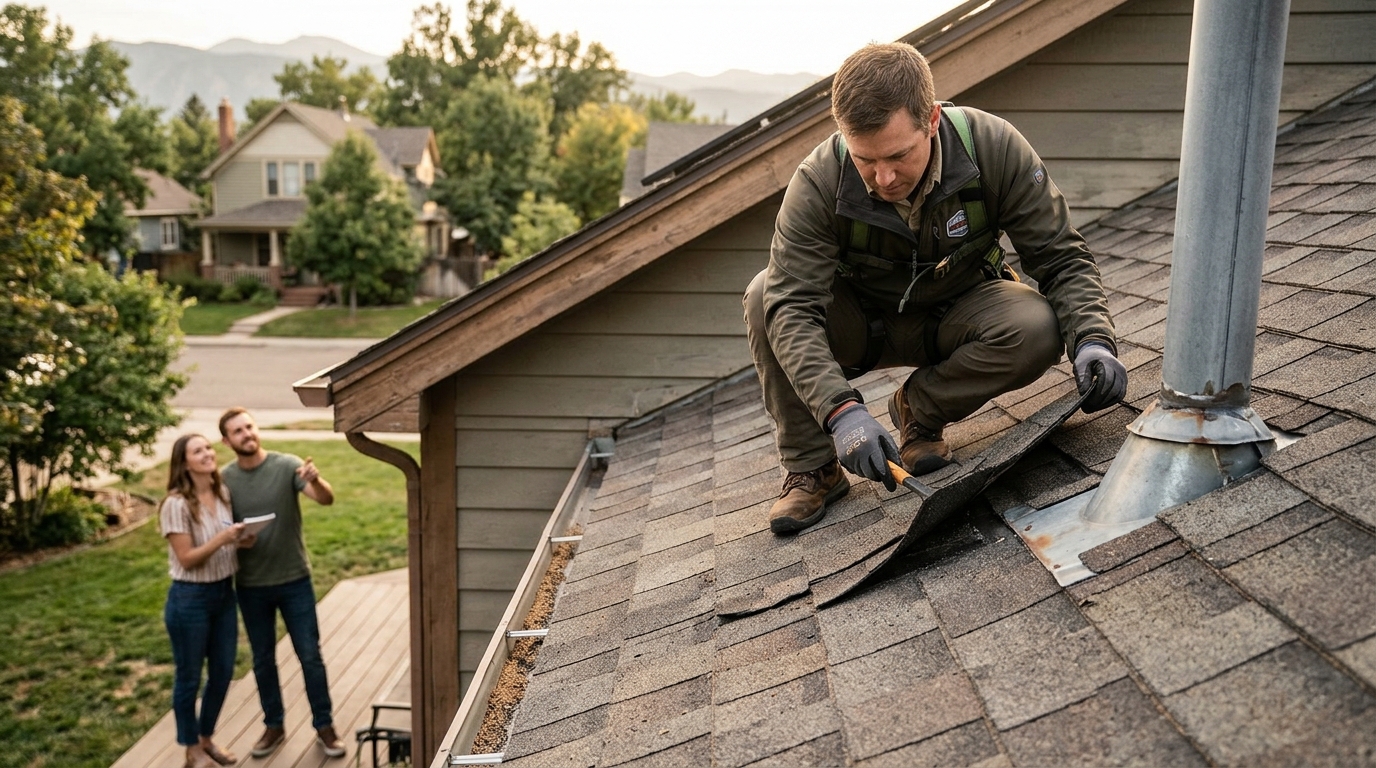
Inspectors in Fort Collins primarily look for lifted or missing shingles, granule loss in gutters, and flashing deterioration. These signs indicate how well a roof has handled the region's specific climate stressors, including intense UV exposure and freeze-thaw cycles. Identifying these issues early helps buyers understand the true condition of the property before closing.
Shingle Integrity and Surface Wear
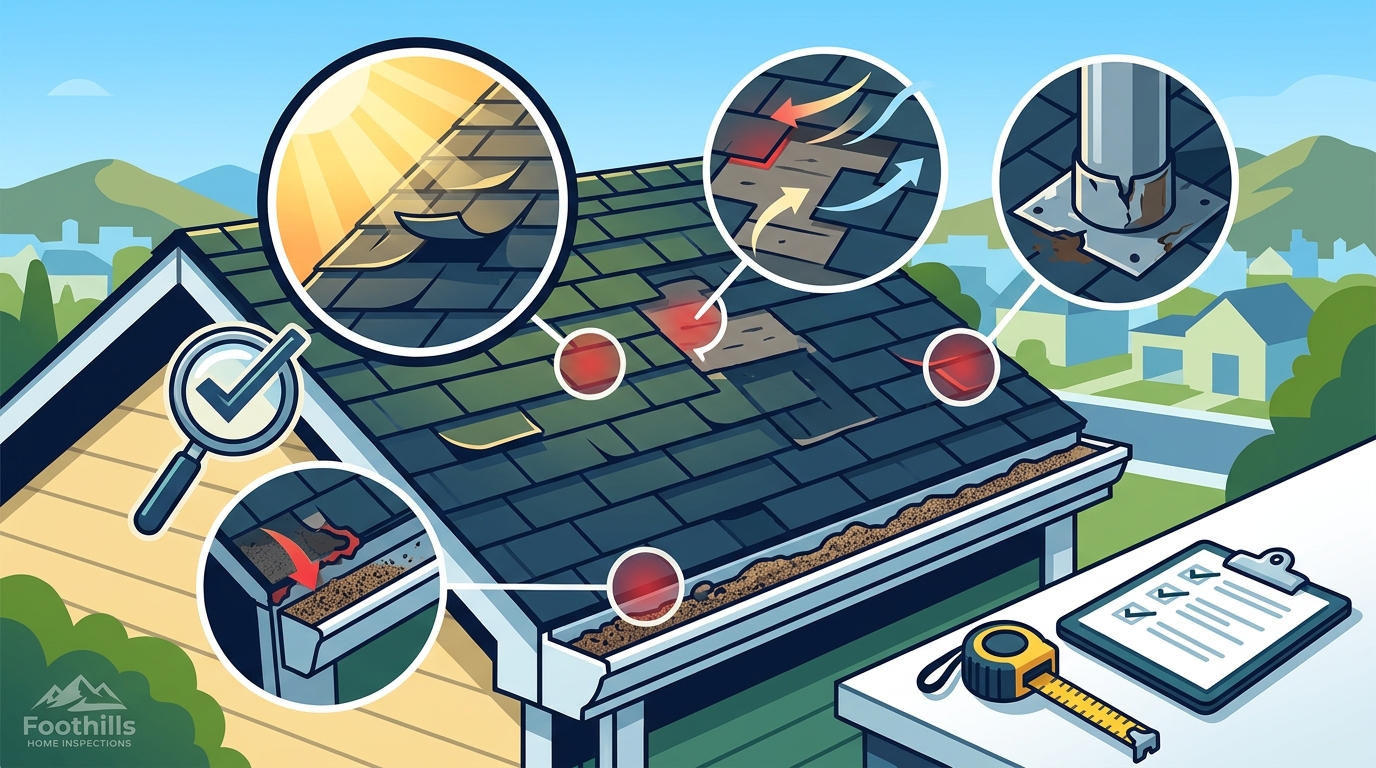
The most immediate visual indicator of roof health is the condition of the shingles themselves. Shingle curling is a common sign of aging, where the edges of the shingles lift away from the roof deck. This lifting creates gaps that allow moisture to penetrate the underlying layers. In Fort Collins, the high elevation and intense sunlight accelerate this process by drying out the asphalt binder that holds the shingle together.
Inspectors also look for granule loss, which appears as bare spots on the shingle surface. Granules protect the shingle from UV rays, so their absence shortens the roof's lifespan. You can often find these granules accumulating in the gutters or downspouts. If a significant amount of granules is present, it suggests the roof is nearing the end of its functional life.
Another critical check involves cracked or split shingles. These often result from physical impact or extreme temperature fluctuations. A single cracked shingle might seem minor, but it can lead to localized leaks that spread over time. Inspectors document the location and extent of these cracks to help buyers estimate repair costs.
Flashing and Sealant Deterioration
Flashing is the metal material installed around roof penetrations, such as chimneys, vents, and skylights. Flashing failure is one of the most common causes of roof leaks in Northern Colorado homes. Over time, the sealant or caulk around these metal pieces can dry out and crack. This allows water to seep behind the flashing and into the roof deck.
Inspectors examine the condition of the step flashing around chimneys and the counter flashing at the top. If the metal is rusted, bent, or separated from the shingles, it is a significant red flag. Water intrusion at these points often goes unnoticed until it causes visible damage to the ceiling or walls inside the home.
Properly installed flashing is essential for directing water away from vulnerable areas. When these components fail, the roof's ability to shed water is compromised. Buyers should pay close attention to any recommendations regarding flashing repairs, as they can be more complex and costly than simple shingle replacements.
Structural and Decking Concerns
While most roof inspections focus on the exterior surface, inspectors also look for signs of structural issues. Roof deck sagging is a serious indicator of underlying problems. This can occur if the wooden decking has rotted due to prolonged moisture exposure. A sagging roofline may appear as a dip or unevenness when viewed from the ground.
Inspectors may also check for soft spots on the roof surface. These areas feel spongy or give way underfoot, indicating that the decking material has deteriorated. Soft spots often result from water damage that has gone undetected for years. Addressing these issues requires replacing the affected decking, which is a more invasive and expensive repair.
Gutter and Drainage System Functionality
The roof and gutter system work together to manage water runoff. Gutter blockages are a common issue that can lead to roof damage. When gutters are clogged with leaves, debris, or granules, water backs up and can overflow. This overflow can seep under the shingles and damage the fascia boards and siding.
Inspectors check for gutter separation, where the gutters pull away from the roof edge. This often happens when the fasteners corrode or the gutters become overloaded with debris. Separated gutters fail to direct water away from the foundation, which can lead to basement flooding and soil erosion.
Effective drainage is essential for protecting the home's foundation and exterior. A well-maintained gutter system ensures that water flows freely away from the house. Buyers should consider the condition of the gutters as part of the overall roof assessment, as they are an integral part of the roofing system.
Fort Collins Climate Impact on Roofs
The unique climate of Fort Collins places specific demands on roofing materials. Freeze-thaw cycles are a major factor in roof deterioration. Water seeps into small cracks in the shingles or flashing, freezes, and expands. This expansion widens the cracks, allowing more water to enter. Over time, this cycle causes significant damage to the roof structure.
High UV exposure is another challenge for roofs in this region. The intense sunlight breaks down the asphalt in shingles, causing them to become brittle and crack. This is why granule loss is such a common finding in inspections. Roofs that face south or west tend to experience more UV damage than those facing north or east.
Understanding these climate factors helps buyers make informed decisions about their purchase. A roof that has been well-maintained and protected from these elements will last longer. Buyers should ask about the age of the roof and any past repairs to get a better sense of its remaining lifespan.
Key Takeaways
- Shingle curling and granule loss are primary indicators of aging and UV damage.
- Flashing deterioration around chimneys and vents is a common source of leaks.
- Structural sagging or soft spots signal serious underlying decking problems.
- Gutter blockages and separation can lead to water backup and foundation issues.
- Freeze-thaw cycles and high UV exposure accelerate roof wear in Fort Collins.
- Early detection of these signs helps buyers negotiate repairs or adjust offers.
Frequently Asked Questions
How often should I have my roof inspected in Fort Collins?
It is recommended to have your roof inspected at least once a year, preferably in the spring after winter weather has passed. This allows you to identify any damage caused by freeze-thaw cycles or snow load. Regular inspections help catch minor issues before they become major repairs.
What is the average lifespan of a roof in Northern Colorado?
The average lifespan of an asphalt shingle roof in Northern Colorado is 20 to 30 years. However, this can vary based on the quality of the materials, the slope of the roof, and the level of maintenance. Roofs that are well-ventilated and protected from UV damage may last longer.
Can I walk on my roof to check for damage?
It is generally not recommended to walk on your roof unless you are trained and equipped for it. Walking on the roof can damage shingles and void warranties. It is safer to have a professional inspector perform the assessment using proper safety equipment.
What should I do if I find granules in my gutters?
If you find a small amount of granules in your gutters, it is normal. However, if you see large clumps or bare spots on the shingles, it indicates significant granule loss. You should have a professional inspect the roof to determine if repairs or replacement are needed.
Does a new roof increase home value?
Yes, a new roof can increase home value and make the property more attractive to buyers. It signals that the home has been well-maintained and reduces the risk of future repair costs. A new roof is often a key selling point in real estate listings.
How do I know if my flashing is damaged?
Look for rust, cracks, or gaps in the metal flashing around chimneys, vents, and skylights. You may also notice water stains on the ceiling or walls inside the home. If you see any of these signs, it is important to have a professional inspect and repair the flashing.
Conclusion
Identifying common roof damage signs is essential for protecting your investment in a Fort Collins home. By understanding the specific challenges posed by the local climate, you can better evaluate the condition of a roof during an inspection. Foothills Home Inspections provides thorough evaluations that help buyers and sellers make informed decisions. Our certified inspectors are trained to identify these critical issues, ensuring you have a clear understanding of the property's condition. To schedule an inspection or learn more about our services, today.