

Essential Sewer Scope Inspection Criteria for Colorado Home Purchases
Buying a home in Northern Colorado involves navigating unique geological and infrastructural challenges that directly impact your property's longevity. According to recent municipal infrastructure reports, aging clay and cast-iron sewer lines in established neighborhoods like Fort Collins and Loveland are prone to root intrusion and collapse, making a professional sewer scope inspection a non-negotiable step in the due diligence process. This guide outlines the critical criteria you must evaluate to protect your investment from catastrophic underground failures. (About Us Foothills Home)
What Is a Sewer Scope Inspection?
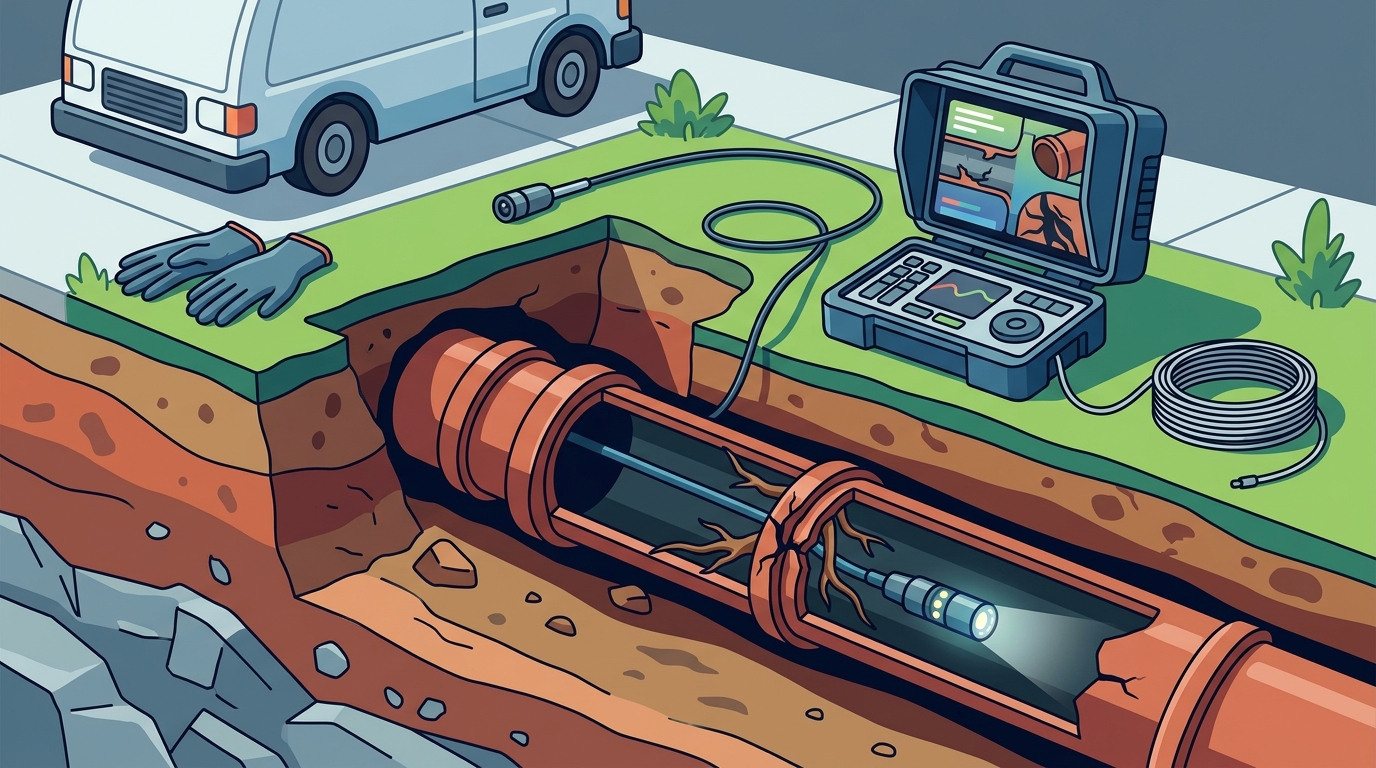
A sewer scope inspection is a specialized diagnostic procedure where a licensed inspector inserts a high-resolution, waterproof camera into the main sewer lateral line. This camera travels from the property's cleanout or basement exit to the municipal sewer main or septic tank. The process provides a real-time video feed of the pipe's interior condition, allowing for the identification of cracks, bellies, root intrusion, and corrosion that are invisible to the naked eye. (Booking Foothills Home Inspections)
Unlike a standard home inspection, which focuses on visible and accessible systems, a sewer scope examines the hidden infrastructure that carries waste away from your home. Failure to inspect this line can result in unexpected repair costs ranging from $5,000 to $15,000 or more for full line replacement. At Foothills Home Inspections, we ensure that every client receives a detailed report with video evidence, helping you negotiate repairs or price reductions with confidence.
Colorado-Specific Sewer Line Risks
Home buyers in Northern Colorado face distinct challenges due to the region's geological history and climate patterns. Understanding these local risks is essential for interpreting your sewer scope results accurately.
Root Intrusion Patterns
Colorado's mature tree population, including cottonwoods and willows, creates significant pressure on underground utilities. Tree roots seek moisture and nutrients, often penetrating even the smallest hairline cracks in sewer pipes. Once inside, roots expand rapidly, causing blockages and structural damage. According to EPA guidelines, root intrusion is one of the leading causes of sewer line failures in residential areas across the United States.
During your inspection, look for signs of root matting or dense fibrous growth within the pipe. If roots are present, the inspector will note the severity and location. Minor root intrusion can sometimes be cleared with hydro-jetting, but extensive root damage often requires pipe lining or replacement.
Soil Movement and Settlement
The expansive clay soils common in the Front Range expand when wet and shrink during dry periods. This constant movement can shift sewer lines, causing joints to separate or pipes to crack. In older neighborhoods in Loveland and Windsor, this settlement is a frequent issue. State data indicates that foundation and utility shifts are among the top insurance claims in the region due to soil instability.
A sewer scope will reveal "bellies" or sags in the pipe where wastewater collects instead of flowing freely. These low spots can lead to persistent clogs and corrosion over time. Identifying these issues early allows you to assess the cost of trenchless repair options versus traditional excavation.
Essential Inspection Criteria
When reviewing your sewer scope results, focus on these critical criteria to determine the health of your future home's drainage system.
Line Material and Integrity
The age and material of your sewer line dictate its lifespan and vulnerability. Older homes built before the 1970s often have clay tile or cast-iron pipes. Clay tiles are susceptible to root intrusion at the joints, while cast iron can corrode and collapse from the inside out. Newer constructions typically use PVC or ABS plastic, which are more resistant to root intrusion and corrosion.
During the scope, the inspector will identify the pipe material and look for signs of deterioration. If the pipe is clay or cast iron, pay close attention to the condition of the joints. USGS research confirms that material type is a primary factor in the longevity of underground infrastructure.
Flow Dynamics and Blockages
A healthy sewer line allows wastewater to flow freely to the municipal main. During the inspection, the camera will reveal any obstructions, such as debris, collapsed sections, or heavy root masses. If the camera cannot pass through the entire line, it indicates a severe blockage or collapse that requires immediate attention.
Inspectors also check for proper slope. If the pipe lacks the correct gradient, wastewater may not drain efficiently, leading to backups. This is particularly common in homes with bellies or sags caused by soil settlement.
Lateral Connection Points
The point where your home's sewer lateral connects to the municipal main is a critical junction. This area is prone to leaks and root intrusion because it is often the oldest part of the system. A proper inspection must verify that this connection is secure and free of gaps.
If the connection is compromised, wastewater can leak into the surrounding soil, causing environmental contamination and potential foundation damage. Foothills Home Inspections ensures that every lateral connection is thoroughly examined and documented in your final report.
Analyzing the Sewer Scope Report
After the inspection, you will receive a detailed report including video footage and a written summary of findings. This report is your primary tool for negotiation and future planning. Look for the following elements:
- Video Evidence: High-quality video clips of any defects, such as cracks, roots, or collapses.
- Defect Mapping: A diagram showing the location and type of each issue found in the line.
- Recommendations: Clear guidance on whether repairs, monitoring, or replacement is necessary.
- Estimated Costs: Rough estimates for potential repairs to help you budget for post-purchase expenses.
At Foothills Home Inspections, we pride ourselves on providing reports that are easy to understand and actionable. We explain every finding in plain language, ensuring you know exactly what you are buying.
Cost vs. Risk Analysis
Investing in a sewer scope inspection is a small price to pay compared to the potential cost of sewer line failure. Here is a comparison of typical costs and risks:
| Service | Typical Cost Range | Risk of Skipping |
|---|---|---|
| Sewer Scope Inspection | $300 - $600 | Low |
| Hydro-Jetting (Minor Repair) | $500 - $1,500 | Medium |
| Trenchless Pipe Lining | $8,000 - $15,000 | High |
| Full Line Replacement | $15,000 - $30,000+ | Catastrophic |
As shown above, the cost of a professional inspection is a fraction of the potential repair costs. Consumer finance experts advise that due diligence during home buying can save buyers thousands of dollars in unexpected repairs.
Key Takeaways
- Non-Negotiable Due Diligence: A sewer scope inspection is essential for any home purchase in Northern Colorado due to regional soil and root risks.
- Colorado Soil Challenges: Expansive clay soils cause pipe movement and bellies, while mature trees drive root intrusion into older lines.
- Material Matters: Clay and cast-iron pipes are more vulnerable to failure than modern PVC or ABS lines.
- Report Clarity: Look for video evidence and clear defect mapping in your inspection report to make informed decisions.
- Negotiation Power: Findings from a sewer scope can be used to negotiate repairs, credits, or price reductions.
- Cost Efficiency: The inspection cost is minimal compared to the $10,000+ potential cost of full line replacement.
- Local Expertise: Foothills Home Inspections provides certified, insured inspections tailored to Northern Colorado's unique infrastructure.
Frequently Asked Questions
How long does a sewer scope inspection take?
A typical sewer scope inspection takes between 30 to 60 minutes, depending on the length of the line and the accessibility of the cleanout. The time required can vary if the inspector needs to clear minor obstructions to get a complete view.
Do I need a sewer scope if the home is new construction?
While new homes are less likely to have root intrusion or corrosion, they can still suffer from installation errors, such as improper slope or debris left in the line during construction. A sewer scope ensures that the builder installed the line correctly.
What is the difference between a sewer scope and a standard home inspection?
A standard home inspection focuses on visible and accessible systems like the roof, electrical, and HVAC. A sewer scope specifically examines the underground wastewater line using a camera, which is not part of a standard inspection unless explicitly added.
Can roots be removed from sewer lines?
Minor root intrusion can be cleared using hydro-jetting or mechanical augering. However, if roots have caused significant structural damage or pipe collapse, repair or replacement is necessary. Foothills Home Inspections can help you understand the severity of root damage in your report.
How often should I have my sewer line inspected?
For homeowners, it is recommended to have a sewer scope every 2 to 3 years, or immediately if you notice slow drains or sewage backups. Regular inspections can catch issues early before they become costly emergencies.
What happens if the sewer scope reveals major issues?
If major issues are found, you can negotiate with the seller to repair the line, provide a credit at closing, or reduce the purchase price. In some cases, you may choose to walk away from the deal if the repair costs are too high.
Is a sewer scope included in the home inspection price?
Typically, a sewer scope is an add-on service. It requires specialized equipment and expertise separate from the standard home inspection. Contact us for pricing details and to schedule your inspection.
Schedule Your Sewer Scope Inspection
Protect your Northern Colorado home investment with a professional sewer scope inspection. Foothills Home Inspections offers certified, insured services with detailed reports delivered within 24 hours. Don't wait until it's too late. Schedule your inspection online today or call us at 970-567-8180 to discuss your needs.