
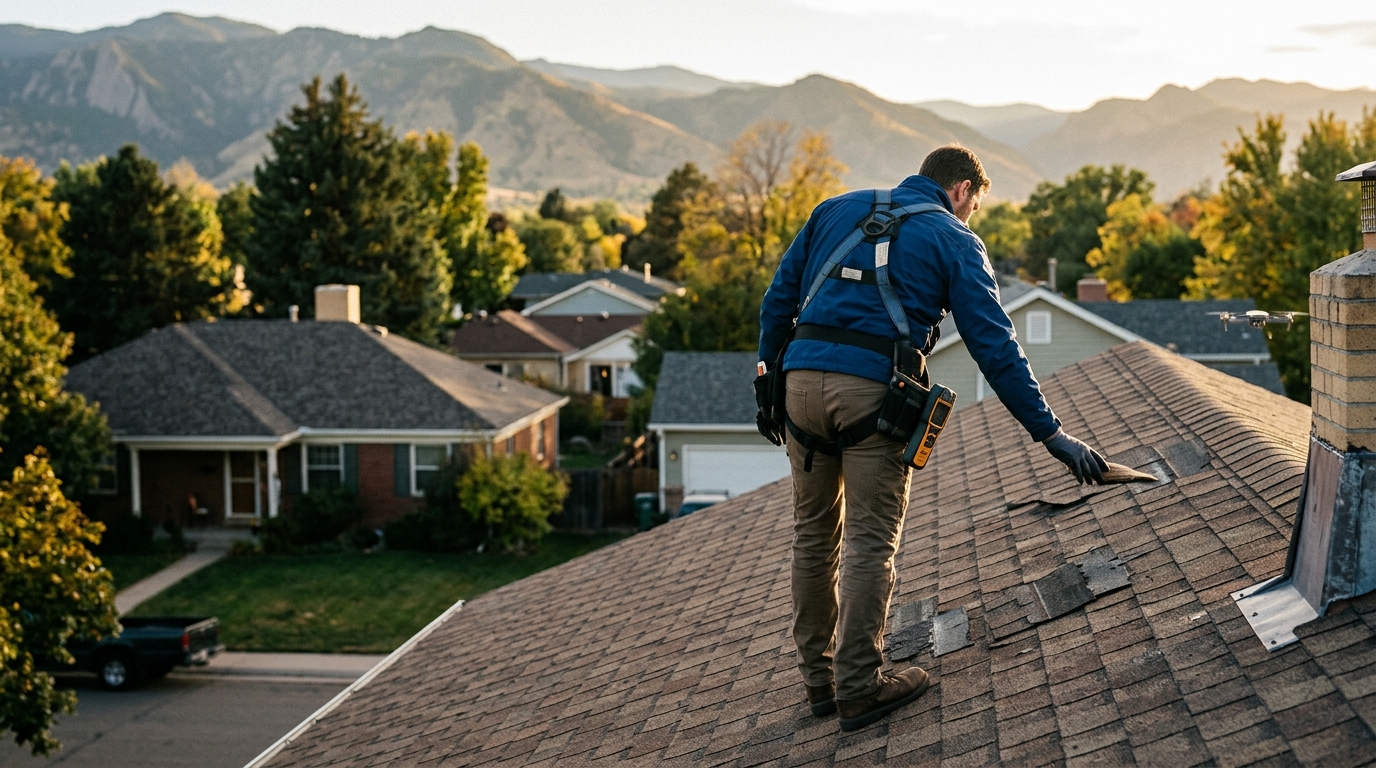
Home inspectors in Fort Collins check for roofing problems by visually examining accessible roof surfaces, flashing, and drainage systems. Foothills Home Inspections provides certified evaluations that identify material degradation, structural stress, and water intrusion risks. This guide covers the specific methods inspectors use to assess your roof and the critical damage indicators that signal the need for immediate repair or replacement.
Roof Inspection Methods
A professional roof inspection is a systematic visual evaluation of the roof assembly and its components. Inspectors rely on standardized protocols to ensure no critical area is overlooked. The process begins with a ground-level assessment and moves to a hands-on examination of accessible surfaces.
Visual Assessment and Safety Protocols
Inspectors begin by evaluating the roof from the ground using binoculars or zoom lenses. This initial step identifies obvious issues like missing shingles, sagging sections, or debris accumulation. Safety is the primary constraint for roof inspections. Inspectors will only climb onto the roof if the pitch is safe and the surface is stable. In Northern Colorado, where snow and ice can make surfaces treacherous, inspectors often limit their physical examination to safe, accessible areas. They document the condition of the roof from the ground and note any areas that require a specialized roofer for a more detailed assessment.
Component-Specific Examination
Attic and Interior Verification
The roof inspection does not end at the exterior. Inspectors examine the attic space to verify the condition of the roof deck from below. They look for signs of water intrusion, such as stains, discoloration, or mold growth on the rafters and sheathing. They also check the insulation for moisture damage. In the attic, the inspector evaluates the ventilation system. Proper airflow is crucial for extending the life of the roof. They ensure that soffit vents are unobstructed and that ridge vents are functioning correctly. This interior check provides a comprehensive view of the roof's performance and structural integrity.
Roofing Damage Indicators
Identifying specific signs of damage is the core of a roof inspection. Inspectors look for a range of indicators that signal different types of wear and tear. Understanding these signs helps homeowners and buyers make informed decisions about repairs or replacements.
Surface Material Degradation
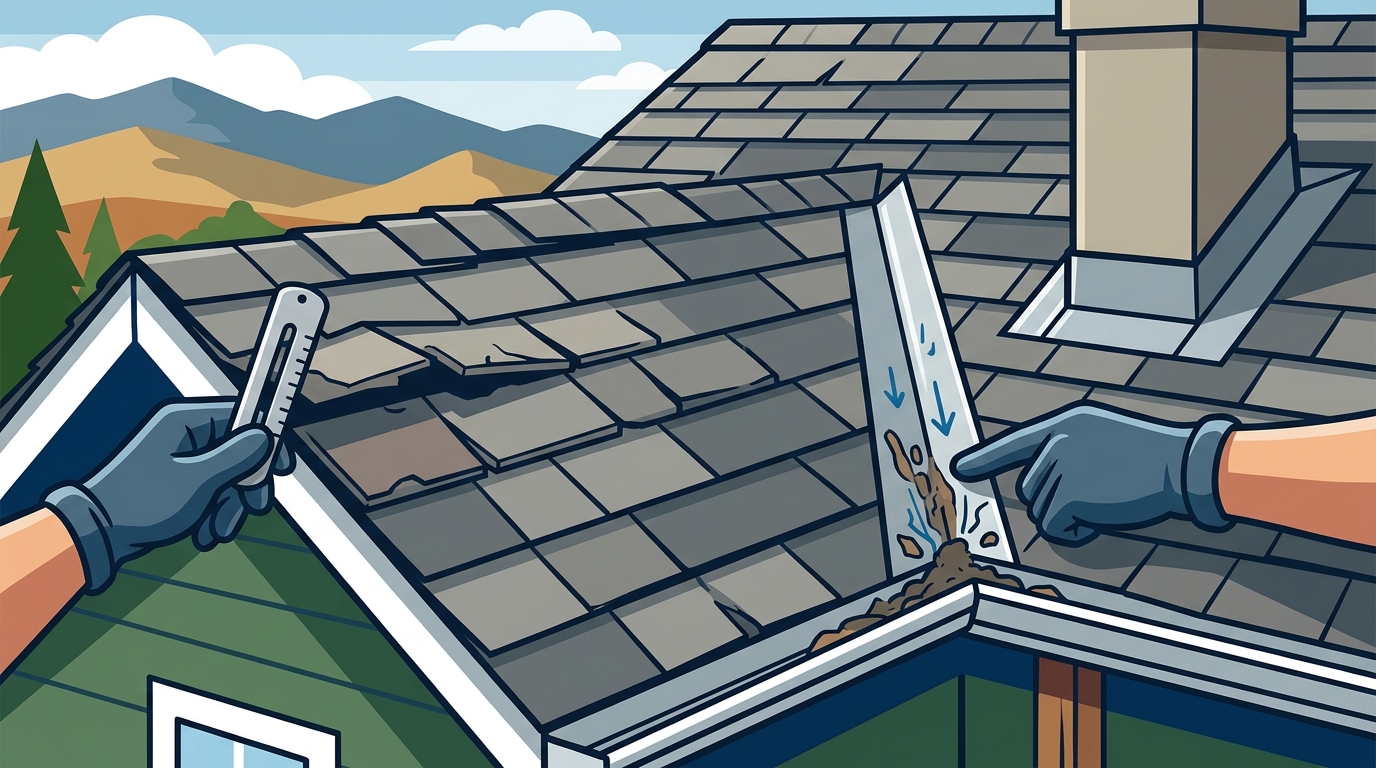
The condition of the roofing material is the most visible indicator of roof health. For asphalt shingles, inspectors look for granule loss, which appears as bare spots on the shingle surface. This loss reduces the shingle's ability to reflect UV rays and accelerates aging. Curling or cupping of shingles indicates that the material is drying out and losing its flexibility. Cracked or split shingles are a clear sign of physical damage, often caused by hail or foot traffic. For metal roofs, inspectors check for rust, scratches, or loose fasteners. Each material type has specific failure modes that inspectors are trained to identify.
Structural and Flashing Issues
Structural problems can compromise the entire roof system. Inspectors look for sagging or uneven roof lines, which may indicate underlying framing issues. They also check for the condition of the flashing. Damaged or missing flashing is a common source of leaks. Inspectors look for rust, gaps, or lifted edges in the flashing around chimneys and vents. They also examine the sealant around penetrations. Dried or cracked sealant allows water to enter the roof assembly. These structural and flashing issues often require professional repair to prevent further damage.
Interior Signs of Water Intrusion
Water damage often manifests inside the home before it is visible on the exterior. Inspectors look for stains or discoloration on the ceiling or walls. These marks indicate that water has penetrated the roof and is leaking into the living space. They also check for the presence of mold or mildew in the attic. Mold growth is a sign of persistent moisture, which can lead to health issues and structural decay. Inspectors also look for warped or buckled drywall, which is another indicator of water damage. Identifying these interior signs is crucial for assessing the extent of the damage and the urgency of repairs.
| Indicator | Location | Severity | Recommended Action |
|---|---|---|---|
| Granule Loss | Shingle Surface | Low | Monitor and plan for replacement |
| Curling Shingles | Roof Surface | Medium | Replace affected shingles |
| Rusted Flashing | Chimney/Vent Joints | High | Replace flashing immediately |
| Ceiling Stains | Interior Ceiling | High | Investigate source and repair |
| Sagging Roof Line | Exterior Profile | Critical | Structural assessment required |
Key Takeaways
- Roof inspections are visual assessments of accessible surfaces, flashing, and drainage systems.
- Safety protocols limit physical roof access, especially in snowy or icy conditions.
- Inspectors examine the attic to verify the condition of the roof deck and ventilation.
- Granule loss and curling shingles are early signs of material degradation.
- Damaged flashing is a common source of leaks and requires prompt repair.
- Interior stains and mold indicate water intrusion that has penetrated the roof.
- Sagging roof lines signal potential structural issues that need immediate attention.
- Regular inspections help identify minor issues before they become costly repairs.
Frequently Asked Questions
Do home inspectors climb on the roof?
Inspectors only climb on the roof if it is safe to do so. They assess the pitch, surface condition, and weather before deciding. If the roof is too steep or slippery, they perform a ground-level inspection and note the limitations in the report.
What is the most common roof problem in Fort Collins?
Wind damage and hail are common issues in Fort Collins. Inspectors look for missing shingles, cracked panels, and granule loss caused by these weather events. Proper flashing is also a frequent concern due to temperature fluctuations.
How often should I have my roof inspected?
It is recommended to have your roof inspected at least once a year. More frequent inspections are advisable after severe weather events. Regular checks help identify minor issues before they escalate into major repairs.
Can an inspector detect leaks from the outside?
Inspectors can identify potential leak sources, such as damaged flashing or missing shingles. However, they cannot always pinpoint the exact location of an active leak. They often recommend a specialized roofer for a more detailed leak detection assessment.
What is the role of attic ventilation in roof health?
Proper ventilation regulates the temperature and moisture levels in the attic. It prevents ice dams in winter and reduces heat buildup in summer. Poor ventilation can shorten the life of the roof and increase energy costs.
How does Foothills Home Inspections handle roof inspections?
Foothills Home Inspections provides thorough roof evaluations as part of their comprehensive home inspections. They examine accessible surfaces, flashing, and the attic space to identify potential issues. Their reports include detailed descriptions and photos of any findings.
Conclusion
Understanding the methods and indicators of a roof inspection empowers you to make informed decisions about your property. A thorough evaluation identifies potential issues before they become costly repairs. Foothills Home Inspections offers certified and insured home inspections throughout Northern Colorado. Their detailed reports provide the clarity you need to protect your investment. To schedule your inspection, book online or contact our team directly.