
Buying a home in Northern Colorado is a significant financial milestone, but hidden infrastructure issues can quickly turn a dream purchase into a nightmare. According to recent industry data, root intrusion and pipe collapse account for nearly 20% of all major residential plumbing failures in the region. This statistic highlights why a standard visual inspection is often insufficient for protecting your investment. A sewer scope inspection provides a critical look at the underground lines that connect your property to the municipal system or septic tank. This guide explains why this specific diagnostic tool is essential for buyers in Fort Collins, Loveland, and Windsor. (About Us Foothills Home)
Why a Sewer Scope is Critical in Colorado
Home inspectors are trained to evaluate the visible and accessible components of a property. They check the roof, the foundation, the electrical panels, and the interior plumbing fixtures. However, they do not crawl into the ground to examine the sewer line. This gap in coverage is where a dedicated sewer scope becomes invaluable. The sewer line is a buried liability that can cost tens of thousands of dollars to repair or replace. (Booking Foothills Home Inspections)
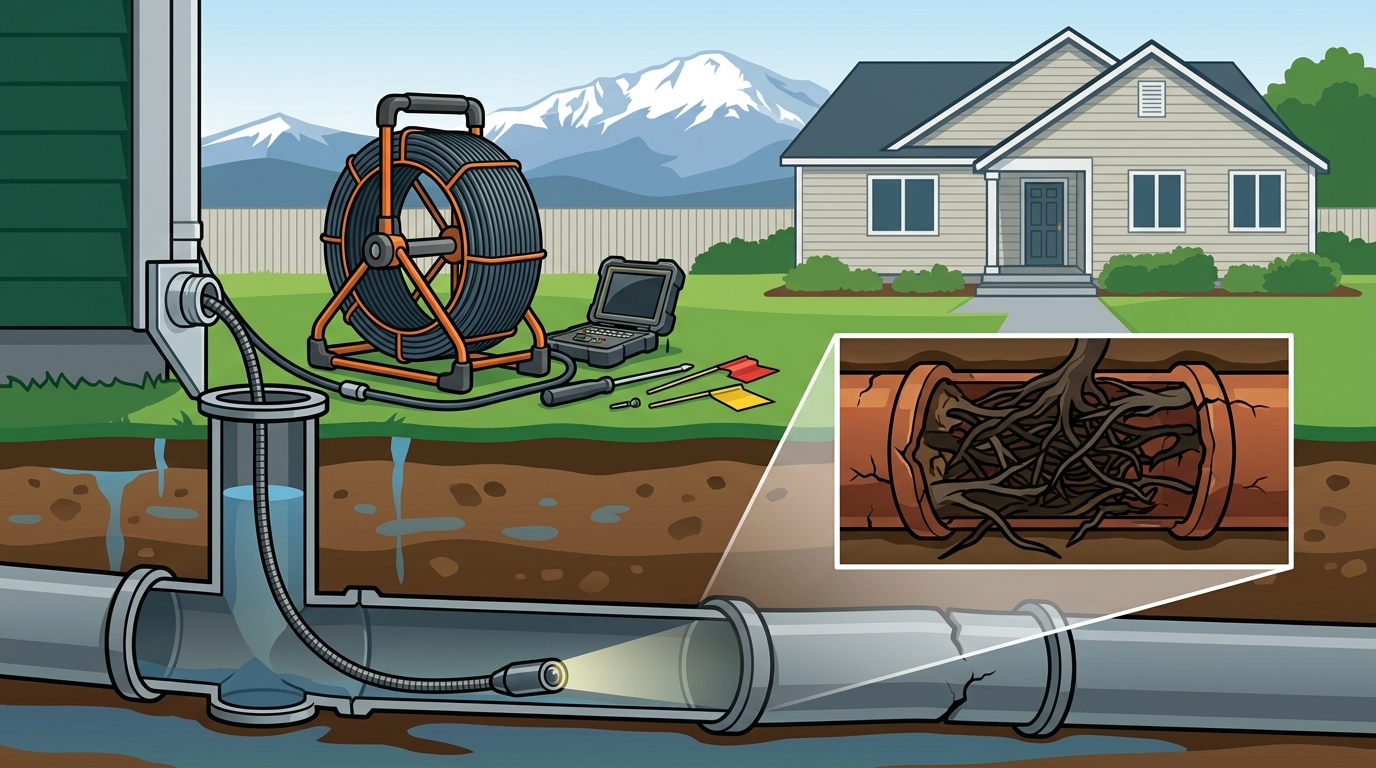
In Northern Colorado, the soil composition and mature tree coverage create a perfect environment for root intrusion. Trees seek water, and sewer lines provide a steady supply. As roots grow into even the smallest crack in a pipe, they expand, causing blockages, backups, and eventual pipe failure. Without a camera inspection, you are buying a home blind to its most expensive underground component.
According to the American Society of Home Inspectors, a sewer scope is considered a specialized service that complements the general home inspection. It provides real-time video evidence of the pipe's condition, allowing you to negotiate repairs or walk away from a deal with a bad line before closing. This proactive step protects your equity and ensures you are not inheriting a catastrophic repair bill.
What the Inspection Covers
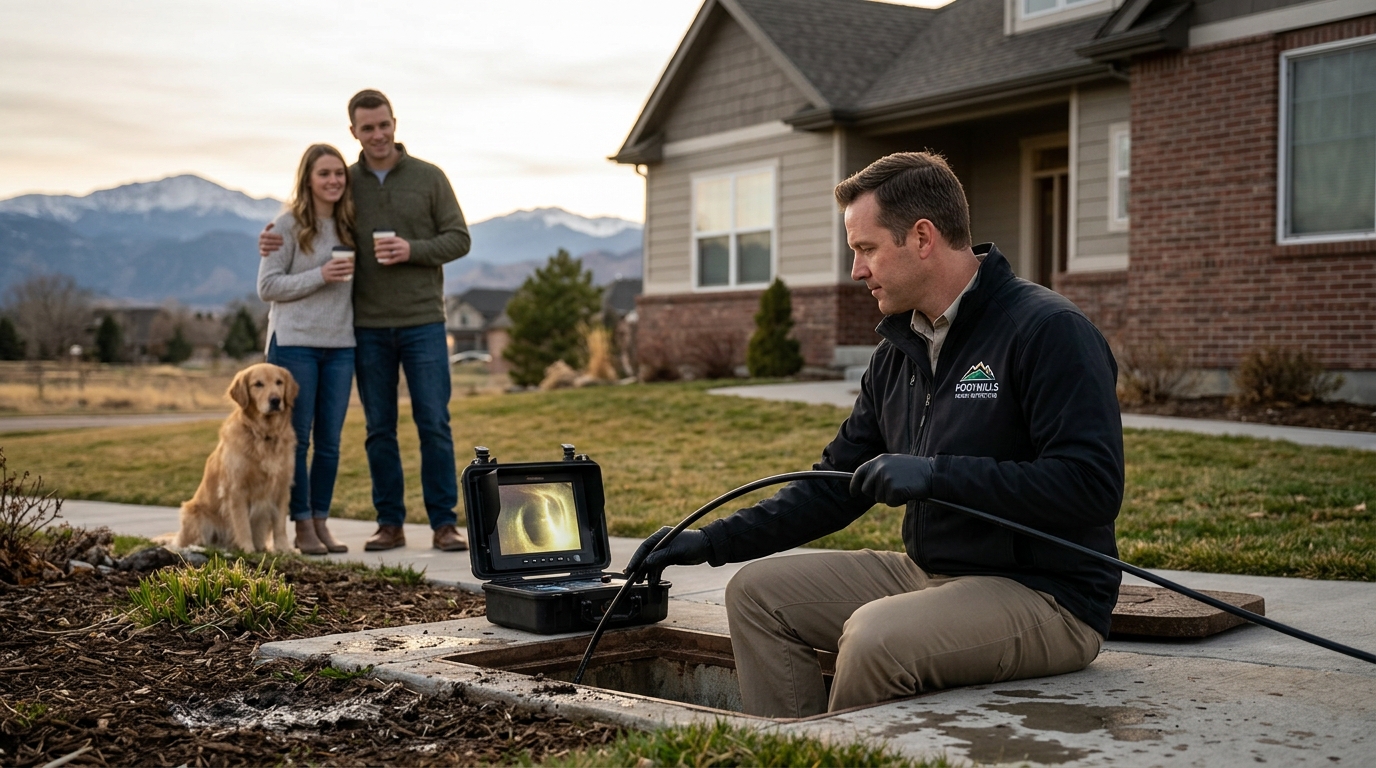
A sewer scope inspection involves feeding a high-resolution, waterproof camera on a flexible cable through the main cleanout pipe. This cleanout is typically a white or black pipe sticking out of the ground near the foundation or in the yard. The inspector watches the live feed on a monitor, documenting the entire length of the line from the house to the street connection or septic tank.
During this process, the inspector looks for several specific defects. They identify the type of pipe material, which is crucial for determining longevity. Older homes may have Orangeburg pipes, which are made of bituminized fiber and are prone to collapsing. Clay tile pipes, common in mid-century homes, have joints that are easily penetrated by roots. Cast iron pipes can suffer from severe corrosion and bellies, where the pipe sags and collects waste.
The inspection also checks for proper slope and alignment. If the line has a "belly," wastewater and solids get trapped in the low spot, leading to frequent clogs. The camera can also reveal offsets, where sections of pipe have shifted out of alignment, creating a ledge for debris to catch on. Each of these issues requires different solutions, ranging from hydro-jetting to full trenchless replacement.
Cost vs. Risk Analysis
One of the most common questions buyers ask is whether the cost of a sewer scope is justified. The answer lies in the potential financial exposure. Replacing a sewer line in Northern Colorado can cost between $5,000 and $15,000 or more, depending on the depth, length, and landscape obstacles. This cost does not include the restoration of driveways, gardens, or patios that must be dug up to access the line.
In contrast, a sewer scope inspection is a relatively minor expense. It provides a clear roadmap of the line's health. If the line is in good condition, you gain peace of mind. If issues are found, you have leverage. You can ask the seller to repair the line, offer a credit at closing, or adjust the purchase price to account for the future replacement cost. This negotiation power is often worth far more than the cost of the inspection itself.
Consider the scenario where you buy a home without a scope. Six months later, you experience a sewage backup in your basement. The diagnosis reveals a collapsed line. You are now responsible for an emergency repair that could have been identified and addressed during the due diligence period. The sewer scope is insurance against this specific, high-cost failure mode.
Common Findings in Northern Colorado
Home buyers in Fort Collins, Loveland, and Windsor often encounter specific sewer line issues due to the region's age and vegetation. Understanding these common findings helps you interpret the inspection report accurately.
| Issue | Description | Severity | Typical Solution |
|---|---|---|---|
| Root Intrusion | Tree roots have penetrated pipe joints or cracks. | High | Hydro-jetting or Pipe Lining |
| Bellied Pipe | A section of pipe has sagged, creating a low spot. | High | Excavation and Replacement |
| Corrosion | Cast iron pipes have thinned or collapsed from rust. | Critical | Full Line Replacement |
| Offset Joints | Pipe sections have shifted out of alignment. | Medium | Spot Repair or Lining |
Root intrusion is perhaps the most frequent finding. In areas with mature oak, maple, or cottonwood trees, the roots can grow rapidly and cause significant damage. If the inspection reveals minor root growth, hydro-jetting can clear the line. However, if the roots have caused structural damage to the pipe, more invasive repairs may be necessary. Understanding the extent of the root intrusion helps you plan for future maintenance.
Another common issue is the presence of old pipe materials. Homes built before the 1970s often have clay tile or Orangeburg pipes. These materials have a limited lifespan and are more susceptible to damage than modern PVC or cast iron pipes. If your inspection reveals these materials, you should budget for eventual replacement. This knowledge allows you to make an informed decision about the long-term costs of the property.
Choosing the Right Inspector
Not all home inspectors are equipped or certified to perform sewer scopes. While some general home inspectors offer this service, it is a specialized skill that requires specific training and equipment. It is crucial to verify that your inspector is certified in sewer scoping. This certification ensures they know how to interpret the video feed accurately and identify subtle defects that a layperson might miss.
When selecting an inspector, look for someone who provides a detailed report with the video footage. The report should include photos of any defects, a description of the pipe material, and a clear assessment of the line's condition. Some inspectors also provide recommendations for repair options, which can be helpful when negotiating with the seller.
Experience in the Northern Colorado market is also valuable. An inspector who knows the local soil conditions and common plumbing issues in the area can provide better context for the findings. They can tell you if a specific defect is common in the neighborhood or if it indicates a unique problem with the property. This local expertise adds significant value to the inspection process.
Additionally, consider the inspector's availability. Sewer scopes are often time-sensitive, especially in competitive markets. You need an inspector who can schedule the service quickly and provide the report promptly. This speed allows you to meet inspection deadlines and make timely decisions. A delayed report can jeopardize your contract and your ability to close on the home.
Key Takeaways
- A sewer scope inspection is a specialized diagnostic tool that examines the underground sewer line using a high-resolution camera.
- Root intrusion is a primary concern in Northern Colorado due to mature tree coverage and soil conditions.
- The cost of sewer line replacement can range from $5,000 to $15,000, making the inspection a cost-effective risk mitigation strategy.
- Older pipe materials like clay tile and Orangeburg are more prone to failure and should be identified early.
- Findings from a sewer scope can be used to negotiate repairs, credits, or price reductions with the seller.
- Ensure your inspector is certified in sewer scoping and provides a detailed report with video evidence.
- Foothills Home Inspections offers certified sewer scoping services for buyers in Fort Collins, Loveland, and Windsor.
Frequently Asked Questions
How long does a sewer scope inspection take?
A typical sewer scope inspection takes between 30 and 60 minutes, depending on the length of the line and the accessibility of the cleanout. The inspector needs time to carefully navigate the camera through the entire line and document any findings.
Do I need a sewer scope if the home is new construction?
While new homes are less likely to have root intrusion, they can still have installation errors, such as improper slope or debris in the line. A sewer scope can verify that the builder installed the line correctly. It is a prudent step to ensure the new infrastructure is sound.
What is the difference between a home inspection and a sewer scope?
A home inspection covers the visible and accessible components of the property, including the interior plumbing. A sewer scope specifically examines the underground sewer line from the house to the street or septic tank. The home inspector does not typically inspect the buried line.
Can roots be removed from sewer lines permanently?
Hydro-jetting can remove roots, but it is not a permanent fix if the pipe has cracks or gaps. Roots will eventually grow back. If the pipe is damaged, trenchless repair methods like pipe lining or bursting are more effective long-term solutions.
What if the sewer line fails during the inspection?
If the inspector finds a failed line, they will document the issue in the report. You can then decide whether to proceed with the purchase, negotiate a repair, or walk away from the deal. The inspection gives you the information needed to make this critical decision.
How much does a sewer scope cost?
The cost varies by provider and property size, but it is generally a fraction of the cost of a full line replacement. It is a small investment compared to the potential financial risk of a hidden sewer failure.
Is a sewer scope necessary for all home buyers?
While not legally required, it is highly recommended for all home buyers, especially those purchasing older homes or properties with large trees. It provides peace of mind and protects your financial investment.
Schedule Your Sewer Scope Inspection
Do not leave your home purchase to chance. A sewer scope inspection is a vital step in the due diligence process that protects you from hidden underground liabilities. Foothills Home Inspections provides certified, detailed sewer scoping services for buyers in Northern Colorado. Our team ensures you have the information you need to make a confident decision.
Contact us today to schedule your inspection or learn more about our home inspection services. We are committed to helping you navigate the home buying process with clarity and confidence.