

Buying a home is a significant investment that requires careful scrutiny of every structural and mechanical component. According to the National Association of Realtors, approximately 60% of home sales encounter some form of negotiation based on inspection results. This statistic highlights why understanding the language of a home inspection report is critical for protecting your financial interests. A thorough inspection identifies potential issues with your home’s foundation, roofing, plumbing, and other major areas of concern before you close on the sale. When you need home inspectors in Northern Colorado, Foothills Home Inspections provides the clarity you need to make informed decisions.
Understanding Report Structure and Format
Modern home inspection reports have evolved from simple checklists to comprehensive digital documents. At Foothills Home Inspections, we ensure our reports are easy to read and informative, containing everything we find during our walk-through of your property. The report typically follows a logical flow, starting with the exterior and moving systematically through the roof, foundation, and interior systems.
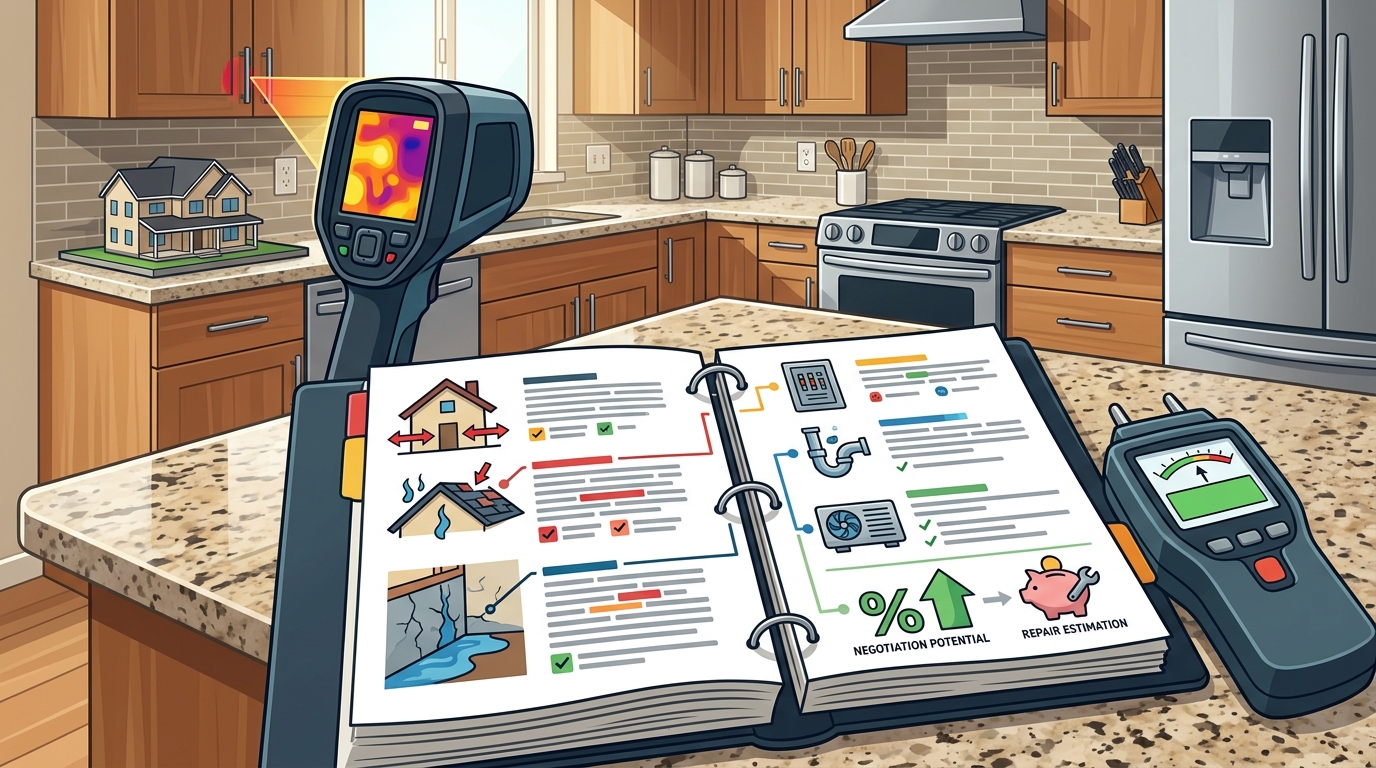
One of the most valuable features of a professional report is the inclusion of high-resolution photos and markups. These visual aids provide context for every finding, allowing you to see exactly where a defect exists. For example, a photo of a cracked window seal is far more useful than a text description alone. Our team takes the time to ensure you understand everything and to educate you about any potential issues and how to address them. This educational approach is vital because it transforms a list of problems into a roadmap for home maintenance.
When reviewing the report, look for the summary section at the beginning. This executive summary often highlights the most urgent items that require immediate attention. It serves as a quick reference guide before you dive into the detailed sections. If you are unsure about any part of the report, do not hesitate to reach out. We are confident in our home inspection services and want you to feel confident in your understanding of the property's condition.
Decoding Severity Classifications
Not all findings are created equal. Inspectors use standardized classification systems to prioritize issues based on urgency and cost. Understanding these categories will help you determine which items need immediate action and which can be monitored over time.
Safety Hazards represent the highest priority. These are conditions that pose an immediate threat to the health or safety of the occupants. Examples include exposed live electrical wires, gas leaks, or structural failures in load-bearing walls. These items must be addressed before you move in or shortly thereafter.
Maintenance Items are components that are nearing the end of their useful life or require routine care. This might include worn weather stripping, dirty gutters, or aging HVAC filters. While not urgent, ignoring these can lead to more significant problems down the line. A typical inspection should cover plumbing, electrical, roof, insulation, foundation, and HVAC systems to identify these maintenance needs early.
Minor Defects are cosmetic or functional issues that do not impact the safety or longevity of the home. These might include loose door handles, minor paint peeling, or small cracks in non-structural concrete. These items are often good candidates for negotiation credits if you are still in the purchasing phase.
It is important to note that a home inspection is not a pass or fail test. It is a snapshot of the home's condition on the day of the inspection. The goal is to uncover any potential safety defect and uncover any item that may cost my client a significant amount of money. By categorizing findings correctly, you can prioritize your budget and timeline effectively.
Analyzing Critical Systems
The core of the inspection report focuses on the major systems of the house. Each system has specific indicators of wear and failure that you should look for.
Electrical Systems
The electrical system is the backbone of your home's functionality. Look for comments on the service panel, wiring type, and outlet functionality. Older homes may still have knob-and-tube wiring or aluminum wiring, which can pose fire hazards. The inspector will check for proper grounding and the presence of GFCI (Ground Fault Circuit Interrupter) outlets in wet areas like kitchens and bathrooms. If the report notes outdated wiring, you should consult a licensed electrician for a full assessment.
Plumbing and Water Systems
Plumbing issues can be among the most costly to repair. The report will detail the type of piping used (copper, PEX, or galvanized steel) and the condition of the water heater. Signs of active leaks, corrosion, or poor water pressure are critical findings. A home inspection can fail if there’s a problem with the plumbing, such as a leaky faucet or an outdated system that could cause mold to spread throughout the home. Inspectors also look for signs of water damage, mold, and cracks around pipes.
HVAC and Insulation
The heating, ventilation, and air conditioning (HVAC) system determines your comfort and energy efficiency. The report will note the age and condition of the furnace and AC unit. Look for recommendations on filter changes and duct cleaning. Insulation levels in the attic and walls are also crucial for energy bills. Poor insulation can lead to higher utility costs and uneven temperatures throughout the house.
Specialized Testing: Radon and Sewer
Beyond the standard visual inspection, certain areas require specialized testing. These are not always included in a basic inspection but are highly recommended for Northern Colorado homes.
Radon Testing
Radon is a colorless, odorless radioactive gas that can accumulate in homes and cause lung cancer. It is the second leading cause of lung cancer after smoking. Radon testing involves placing a detector in the lowest lived-in level of the home for a specific period. The results will indicate the average radon level in parts per picocurie per liter (pCi/L). If levels are elevated, mitigation systems can be installed to vent the gas outside. We offer comprehensive Radon Testing services to ensure your family's safety.
Sewer Scoping
The sewer line is a hidden component that is often overlooked until it fails. A sewer scope involves inserting a flexible camera into the main sewer line to inspect for blockages, roots, or breaks. This is particularly important in older neighborhoods with clay or cast-iron pipes. A failed sewer line can cost thousands of dollars to repair. Our team is Sewer Scope Certified and can identify issues that are not visible during a standard walk-through.
Using Findings for Negotiation
Once you have interpreted the report, the next step is often negotiation. The findings provide leverage to request repairs, credits, or a price reduction. It is important to approach this process professionally and reasonably.
Focus on the major issues that affect safety and structural integrity. Requesting that the seller fix every minor defect can be seen as unreasonable and may sour the deal. Instead, prioritize the items that require immediate attention or significant future investment. For example, if the roof has 5 years of life left, you might request a credit for future replacement. If the foundation has minor settling, you might ask for a structural engineer's evaluation.
Our owner is involved personally throughout the home inspection process to ensure your satisfaction. We want every client to feel confident they’re making the right decisions about their home. Let us help you navigate this complex process with clarity and expertise. If you need a detailed home inspection report, don’t hesitate to reach out!
Key Takeaways
- Report Clarity: Professional reports use photos and clear language to explain findings, making them accessible to non-experts.
- Prioritization: Distinguish between safety hazards, maintenance items, and minor defects to manage repair timelines effectively.
- Specialized Tests: Radon and sewer scoping are critical additions in Northern Colorado due to regional geological factors.
- Negotiation Power: Inspection findings provide legitimate leverage for price adjustments or repair credits.
- Local Expertise: Foothills Home Inspections has been serving Northern Colorado since 2015, providing locally tailored insights.
- Timely Delivery: Reports are typically returned within 24 hours, ensuring you stay on schedule during the closing process.
- Educational Value: The inspection is an educational tool that helps new homeowners understand their property's maintenance needs.
Frequently Asked Questions
How long does it take to receive the home inspection report?
We strive to provide your home inspection report back to you within 24 hours of the completed inspection. This quick turnaround ensures you have the information you need to meet your contract deadlines.
What is the difference between a home inspection and a home warranty?
A home inspection is a one-time evaluation of the current condition of the home at the time of purchase. A home warranty is a service contract that covers the repair or replacement of major systems and appliances for a period after you move in. They serve different purposes but can complement each other.
Can I attend the home inspection?
Yes, we encourage homebuyers to attend the final hour of the inspection. This is the best opportunity to ask questions, see issues firsthand, and receive a walkthrough of the property's systems.
What happens if the inspection reveals major problems?
If major problems are found, you are not obligated to buy the home. You can choose to walk away, negotiate repairs, or request a price reduction. Our goal is to provide you with the facts so you can make the best decision for your situation.
Do you inspect for mold?
While we look for signs of moisture intrusion and conditions that promote mold growth, we do not typically perform mold testing unless specifically requested. If we suspect mold, we will recommend a specialized environmental inspector.
What is radon and why is it important?
Radon is a radioactive gas that comes from the natural decay of uranium in soil. It can seep into homes through cracks and gaps. Long-term exposure increases the risk of lung cancer, making testing essential for every homebuyer.
How much does a sewer scope cost?
The cost of a sewer scope varies by provider and property size, but it is a relatively small investment compared to the cost of repairing a broken sewer line. It is highly recommended for older homes or those with large trees nearby.
Schedule Your Professional Home Inspection Today
Don't leave your home purchase to chance. Understanding the condition of your potential new home is the most important step in the buying process. Foothills Home Inspections is locally owned and operated by Daniel Johnson, who brings years of experience in construction and real estate to every inspection. We serve customers in Loveland, Windsor, Wellington, Greeley, Longmont, Boulder, and surrounding Northern Colorado communities.
Whether you need a standard home inspection, radon testing, or sewer scoping, our team is ready to help. We provide pre-listing, new construction, the homebuyer, builder warranty, and multi-family home inspections at competitive rates. Let us help you gain knowledge about the home you are about to purchase and put you in a good spot at the negotiation table.
Schedule your inspection online today or call us at 970-567-8180 to discuss your needs. We are committed to making every inspection pay for itself through negotiations or by identifying maintenance items early. Trust the certified and insured experts at Foothills Home Inspections for your next real estate transaction.