
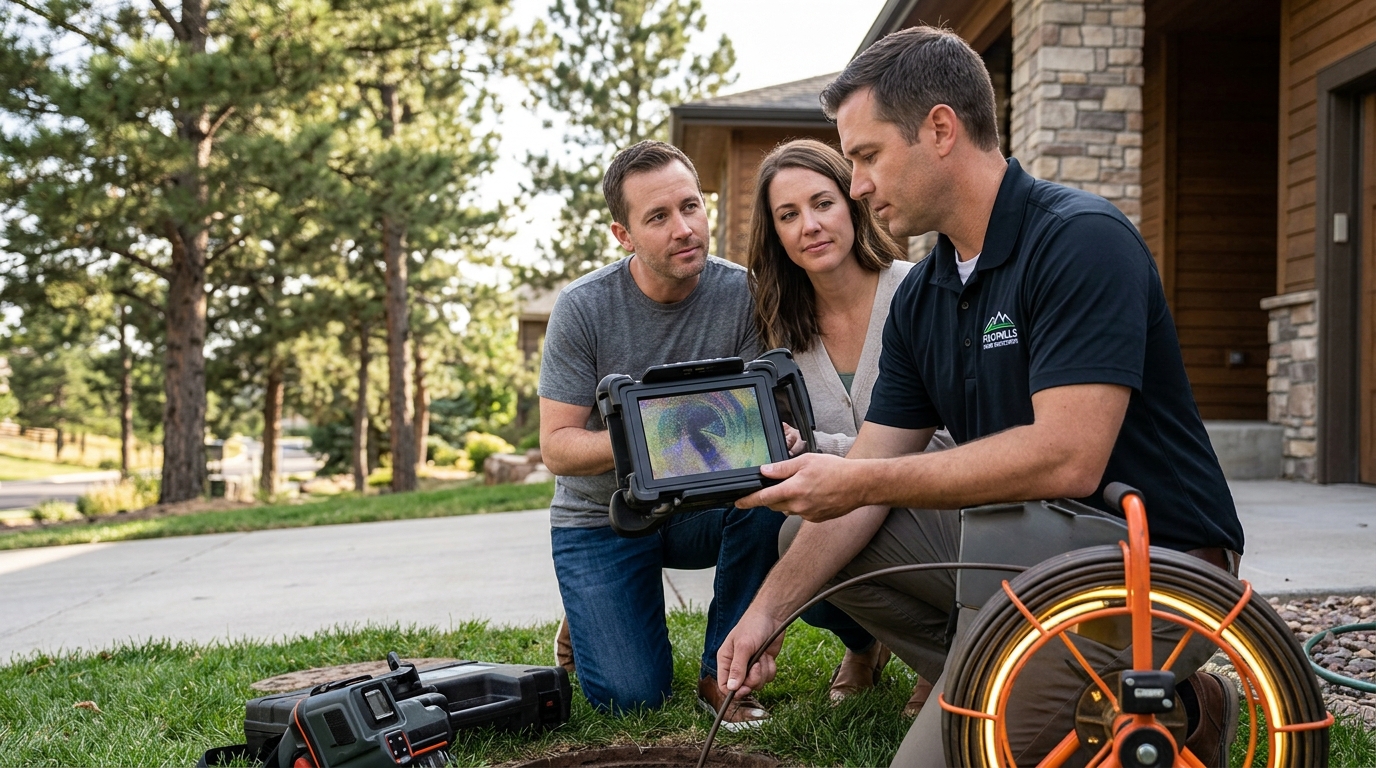
Buying a home is a significant investment that requires careful due diligence to protect your financial future. While most buyers focus on the visible aspects of a property, such as the roof, foundation, and HVAC systems, the underground infrastructure often holds the most expensive secrets. A sewer scoping inspection is a critical diagnostic tool that uses specialized camera technology to examine the condition of your home's main sewer line. This process reveals hidden defects like root intrusion, bellied pipes, and blockages that are invisible to the naked eye. According to industry data, sewer line repairs can cost between $5,000 and $25,000, making this inspection a vital safeguard for homebuyers in Northern Colorado. (About Us Foothills Home)
What Is a Sewer Scope Inspection?
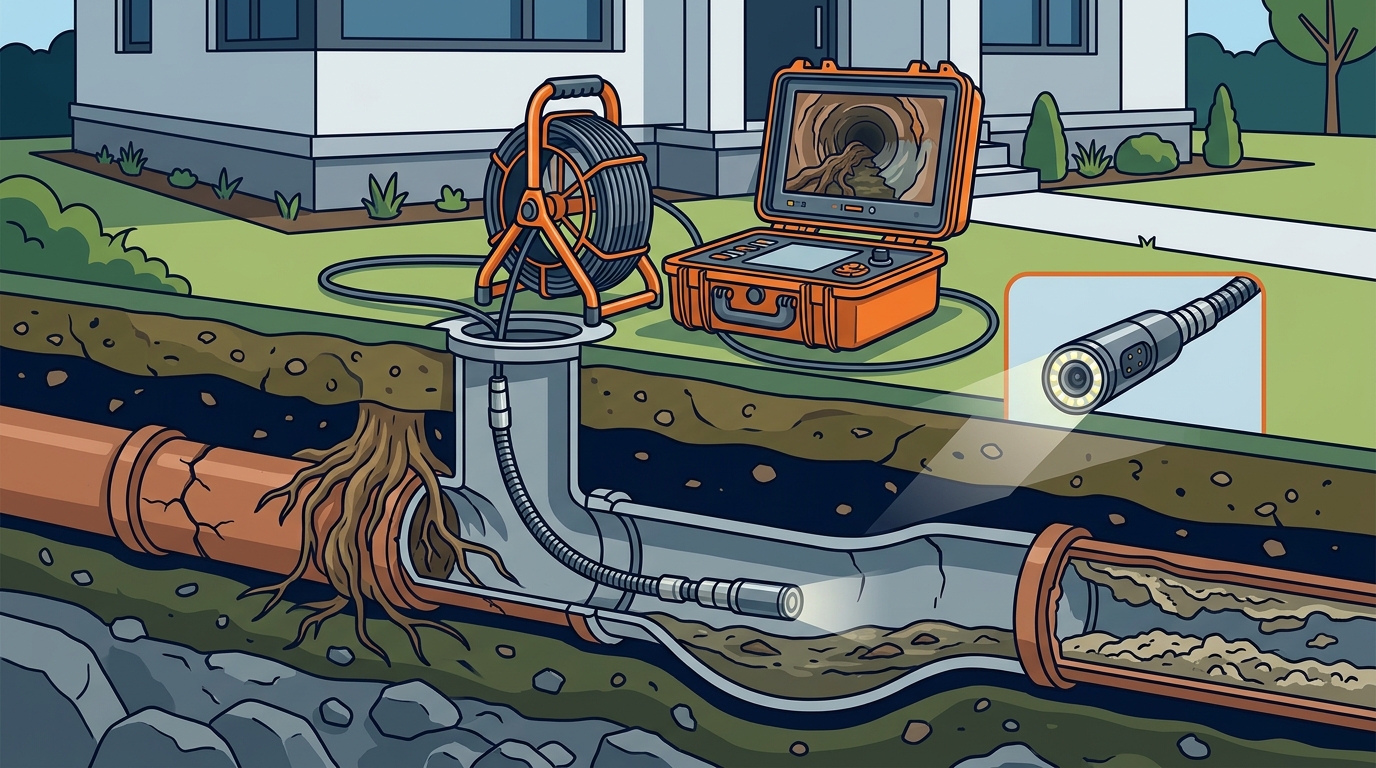
A sewer scope inspection is a non-invasive diagnostic procedure that involves inserting a high-resolution, waterproof camera into the main sewer line of a property. The camera travels from the house's interior cleanout or basement drain to the connection point with the municipal sewer main or septic tank. This real-time video feed allows the inspector to identify structural integrity issues, material degradation, and external intrusions that could lead to catastrophic failures.
Standard home inspections rarely include this service because it requires specialized equipment and expertise. The term "sewer scoping" refers to the act of visually scanning the entire length of the pipe. This is distinct from a standard plunger test or water flow test, which only confirms that water moves through the pipe but does not reveal the condition of the pipe walls. A sewer scope provides a permanent video record of the pipe's condition at the time of inspection, which is invaluable for future reference and negotiation leverage.
Why Is It Necessary for Homebuyers?
The necessity of a sewer scope inspection stems from the high cost and complexity of repairing underground lines. Unlike a leaky faucet or a cracked window, a failed sewer line requires excavation or trenchless repair methods that are both invasive and expensive. In older neighborhoods, particularly those in Northern Colorado with mature tree coverage, the risk of root intrusion is significantly higher. Trees seek out moisture and nutrients, and sewer lines provide an ideal pathway. Roots can penetrate small cracks in clay or cast iron pipes, eventually causing complete blockages or structural collapse.
Furthermore, many older homes in cities like Fort Collins, Loveland, and Windsor were built with clay tile or Orangeburg pipes, materials that are prone to deterioration over time. Clay pipes are particularly susceptible to root intrusion because the joints are not sealed with modern adhesives. Orangeburg pipes, made from bituminized fiber, can collapse under soil pressure after several decades. Without a sewer scope, a buyer might unknowingly inherit a line that is on the verge of failure, leading to immediate and costly repairs after closing.
Common Issues Detected by Sewer Scoping
During a sewer scope inspection, several critical issues can be identified that would otherwise remain hidden until they cause a backup. Understanding these common defects helps homebuyers assess the severity of the findings and negotiate appropriately with the seller.
Root Intrusion
Root intrusion is the most common issue found in sewer lines. Roots can enter through small cracks or loose joints and grow inside the pipe, eventually forming a dense mat that blocks flow. In severe cases, roots can break through the pipe walls, causing structural damage. Early detection allows for root removal and potential pipe lining, whereas late detection may require full replacement.
Bellied Pipes
A bellied pipe occurs when a section of the sewer line sinks due to soil erosion or shifting. This creates a low point where wastewater and solids collect, leading to frequent clogs and potential backups. Bellied pipes are often caused by poor initial installation or soil movement over time. Identifying a belly is crucial because it indicates a structural failure that cannot be fixed by simple cleaning.
Corrosion and Collapse
Older metal pipes, such as cast iron, can corrode from the inside out due to chemical reactions with wastewater. This corrosion weakens the pipe walls, leading to cracks or complete collapse. Similarly, clay pipes can crack due to ground movement or age. A collapsed pipe requires extensive excavation or trenchless repair methods, such as pipe bursting or CIPP lining, which are significantly more expensive than routine maintenance.
The Foothills Home Inspections Approach
At Foothills Home Inspections, we understand the unique challenges of the Northern Colorado real estate market. Our sewer scoping services are designed to provide clear, actionable insights for homebuyers. We use state-of-the-art camera equipment to ensure high-definition video quality, allowing us to identify even minor defects that could become major issues in the future.
Our process is thorough and professional. We begin by locating the main cleanout or basement drain and inserting the camera. As the camera travels through the line, we monitor the video feed in real-time, documenting any issues with photos and detailed notes. After the inspection, we provide a comprehensive report that includes the video footage, a summary of findings, and recommendations for next steps. This report is delivered within 24 hours of the inspection, ensuring that you have the information you need to make an informed decision.
We are certified in sewer scoping and have years of experience inspecting homes in Loveland, Windsor, Wellington, Greeley, Longmont, Boulder, and surrounding communities. Our owner, Daniel Johnson, is personally involved in every inspection to ensure quality and accuracy. We are also an affiliate member of the Fort Collins Board of Realtors, which speaks to our commitment to professional standards and industry collaboration.
Cost vs. Benefit Analysis
One of the most common questions homebuyers ask is whether the cost of a sewer scope is justified. The answer is a resounding yes. The cost of a sewer scope inspection is a fraction of the cost of repairing or replacing a sewer line. While prices vary based on the size of the home and the complexity of the line, a typical sewer scope ranges from $250 to $500. In contrast, sewer line repairs can cost anywhere from $3,000 to $25,000 or more, depending on the extent of the damage and the repair method required.
Here is a comparison of potential costs to illustrate the value of a sewer scope inspection:
| Service | Estimated Cost | Frequency | Impact on Home Value |
|---|---|---|---|
| Sewer Scope Inspection | $250 - $500 | One-time (at purchase) | High (Risk Mitigation) |
| Minor Root Removal | $500 - $1,500 | Every 1-2 years | Low (Maintenance) |
| Sewer Line Repair | $3,000 - $10,000 | Every 10-20 years | Medium (Structural) |
| Sewer Line Replacement | $10,000 - $25,000+ | Every 30-50 years | High (Major Investment) |
As shown in the table above, the cost of a sewer scope is minimal compared to the potential costs of repairs. Additionally, identifying issues before closing allows you to negotiate with the seller for repairs or a price reduction, potentially saving you thousands of dollars. In some cases, a failed sewer line can even allow a buyer to walk away from a deal, avoiding a costly mistake.
Key Takeaways
- Sewer scoping is a non-invasive inspection that uses camera technology to examine the main sewer line for defects.
- Root intrusion, bellied pipes, and corrosion are common issues that can lead to expensive repairs if left undetected.
- The cost of a sewer scope ($250-$500) is significantly lower than the cost of sewer line repairs ($3,000-$25,000+).
- Older homes in Northern Colorado are at higher risk for sewer line issues due to aging infrastructure and mature tree coverage.
- Foothills Home Inspections provides certified sewer scoping services with detailed reports delivered within 24 hours.
- Identifying sewer issues before closing can provide leverage for price negotiations or allow the buyer to walk away from a problematic deal.
- Foothills Home Inspections has been serving Northern Colorado since 2015, with a focus on education and client satisfaction.
Frequently Asked Questions
How long does a sewer scope inspection take?
A typical sewer scope inspection takes between 30 minutes to an hour, depending on the length of the line and the accessibility of the cleanout. The actual camera run is usually quick, but the time is spent ensuring a thorough examination of the entire line.
Do I need a sewer scope if the home is new construction?
While new construction homes are less likely to have sewer line issues, it is still recommended. Construction debris, improper backfilling, or poor initial installation can cause problems. A sewer scope ensures that the line is clear and properly installed before you move in.
What happens if the sewer scope reveals a problem?
If a problem is found, you can negotiate with the seller for repairs or a credit at closing. In some cases, the issue may be severe enough to warrant walking away from the deal. Our detailed report will help you and your real estate agent make an informed decision.
Can roots grow back after removal?
Yes, roots can grow back if the underlying issue, such as a crack or loose joint, is not repaired. Regular maintenance and root treatment may be necessary to prevent future intrusion. Our report will include recommendations for ongoing maintenance.
Is a sewer scope included in a standard home inspection?
No, a sewer scope is typically an additional service that requires specialized equipment and expertise. It is not part of a standard home inspection because it involves accessing the underground infrastructure, which is outside the scope of a typical visual inspection.
How do I prepare for a sewer scope inspection?
Preparation is minimal. Ensure that the main cleanout or basement drain is accessible and clear of any obstructions. If the cleanout is located outside, make sure the area is clear of snow, debris, or landscaping that might hinder access.
What is the lifespan of a sewer line?
The lifespan of a sewer line depends on the material. Cast iron pipes can last 50-100 years, clay pipes 30-50 years, and PVC pipes 50-100 years. However, factors such as soil conditions, tree roots, and usage can significantly impact the lifespan.
Schedule Your Sewer Scope Today
Do not leave your home purchase to chance. A sewer scope inspection is a small investment that can save you from thousands of dollars in unexpected repairs. At Foothills Home Inspections, we are committed to providing you with the knowledge and confidence to make the best decision for your home. Our certified inspectors are ready to help you navigate the complexities of sewer line diagnostics.
Contact us today to schedule your sewer scope inspection or call 970-567-8180 for pricing and possible same-day service. We serve Fort Collins, Loveland, Windsor, Wellington, Greeley, Longmont, Boulder, and surrounding Northern Colorado communities. Let us help you protect your investment with a thorough and professional sewer scoping inspection.