
Buying a home in Northern Colorado is a significant financial milestone, but hidden infrastructure issues can quickly turn a dream purchase into a nightmare. According to recent industry data, root intrusion and pipe collapse account for nearly 25% of all major residential plumbing failures in the region. This statistic highlights why a standard visual inspection is often insufficient for protecting your investment. A sewer scope inspection provides a critical layer of due diligence that standard assessments miss entirely.
What Is a Sewer Scope Inspection?
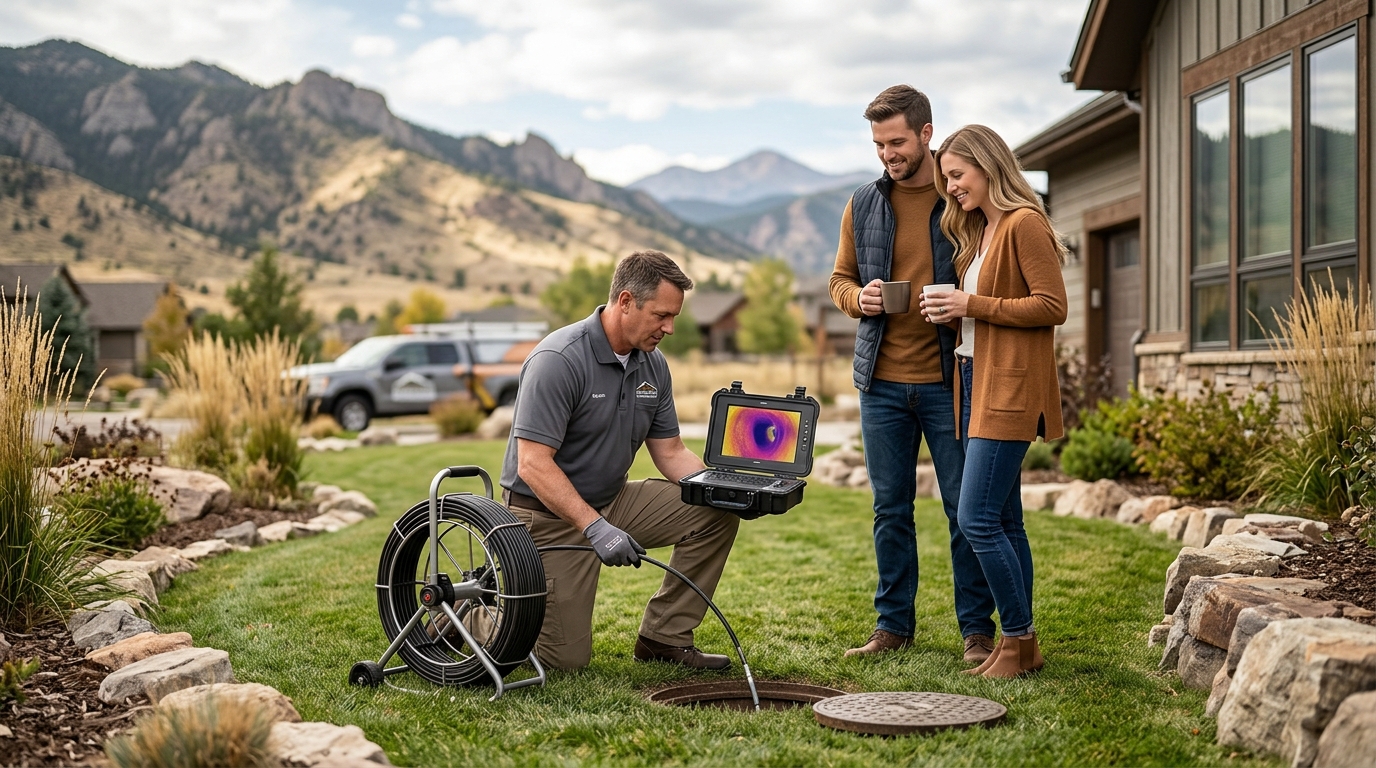
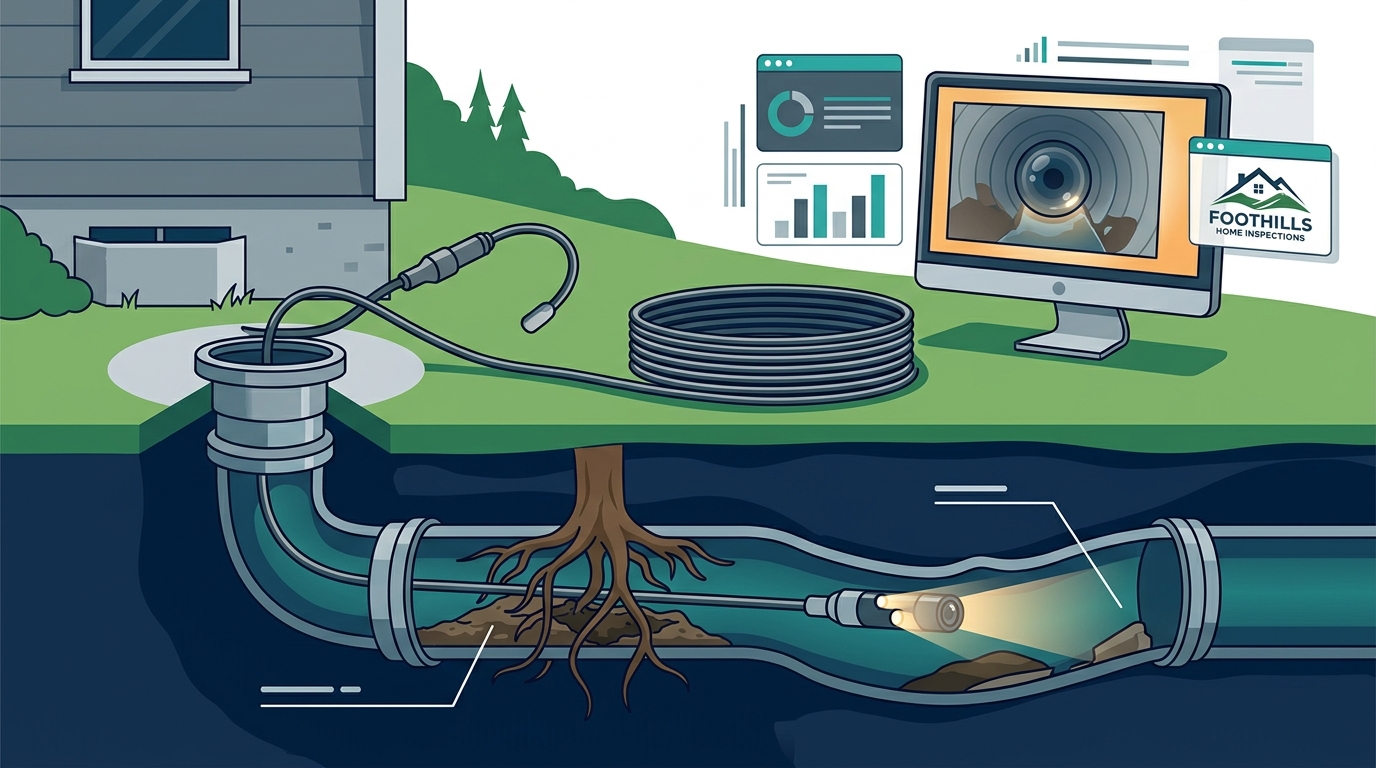
A sewer scope inspection is a specialized diagnostic procedure where a flexible, high-resolution camera is inserted into your home's main sewer line. This camera travels from the house to the connection point with the municipal sewer system or septic tank. The process allows inspectors to visually verify the structural integrity of the pipe, identify blockages, and detect root intrusion.
Unlike a standard home inspection, which may only check interior plumbing fixtures, a sewer scope examines the underground infrastructure that is otherwise invisible. This service is crucial because it reveals issues that could cost tens of thousands of dollars to repair if left unchecked. For homeowners in Fort Collins, Loveland, and Windsor, this level of scrutiny is not just a luxury; it is a necessity.
According to the American Society of Home Inspectors, sewer line failures are among the most costly surprises for new homeowners. By investing in a sewer scope, you gain immediate clarity on the condition of your most critical underground asset. This knowledge empowers you to negotiate repairs or price adjustments before closing on the property.
Why Colorado Homes Need Extra Protection
Colorado presents unique challenges for residential plumbing systems that differ significantly from other regions. The state's climate, soil composition, and tree coverage create a perfect storm for sewer line damage. Understanding these local factors is essential for any buyer in Northern Colorado.
Tree Root Intrusion
Northern Colorado is known for its lush landscapes and mature trees. While beautiful, these trees are aggressive searchers for water. Tree roots can infiltrate even the smallest cracks in sewer pipes, seeking moisture and nutrients. Once inside, they expand rapidly, causing blockages and eventually breaking the pipe structure. This is particularly common in older neighborhoods in Greeley and Longmont where original clay pipes may still be in use.
Soil Movement and Freeze-Thaw Cycles
The ground in Colorado undergoes significant expansion and contraction due to freeze-thaw cycles. This movement can shift the soil around your sewer line, causing pipes to crack, separate, or collapse. Older homes, especially those built before modern seismic and soil stabilization standards, are at higher risk. Data shows that homes in areas with high clay content are more susceptible to this type of structural shifting.
Aging Infrastructure
Many homes in Loveland and Windsor were built decades ago. The original sewer lines may be made of materials that have reached the end of their lifespan. Cast iron pipes can corrode from the inside out, while clay pipes can suffer from joint separation. A sewer scope inspection reveals the age and material condition of these lines, allowing you to plan for future replacements.
Cost vs. Reward Analysis
One of the most common questions buyers ask is whether the cost of a sewer scope is justified. The answer lies in comparing the inspection fee to the potential cost of repairs. A typical sewer scope inspection costs between $250 and $500, depending on the property size and accessibility. In contrast, repairing or replacing a sewer line can cost anywhere from $5,000 to $25,000 or more, especially if trenching is required.
| Service | Estimated Cost | Primary Benefit |
|---|---|---|
| Standard Home Inspection | $400 - $600 | General structural and system overview |
| Sewer Scope Inspection | $250 - $500 | Underground pipe integrity and root detection |
| Radon Testing | $150 - $300 | Gas level safety assessment |
| Full Inspection Package | Varies | Comprehensive due diligence and peace of mind |
The return on investment for a sewer scope is immediate. If issues are found, you can request the seller to make repairs, provide a credit, or lower the purchase price. In many cases, the inspection pays for itself through negotiation leverage alone. Furthermore, knowing the condition of your sewer line helps you budget for future maintenance, preventing unexpected financial shocks.
The Inspection Process Explained
Understanding what to expect during a sewer scope inspection can alleviate anxiety and help you prepare for the process. The inspection is typically quick, lasting between 30 minutes to an hour, depending on the length and condition of the line.
Access Point Preparation
The inspector will locate the main cleanout pipe, usually found in the basement, crawlspace, or near the foundation exterior. If a cleanout is not present, they may need to remove a toilet to insert the camera. This step is standard and causes minimal disruption to your home.
Camera Insertion and Navigation
A waterproof, high-definition camera attached to a flexible cable is fed into the sewer line. The camera transmits real-time video to a monitor, allowing the inspector to see every inch of the pipe's interior. They will look for cracks, bellies (sags where water collects), root intrusion, and corrosion.
Reporting and Recommendations
After the inspection, you will receive a detailed report including video footage and photos of any issues found. The inspector will explain the severity of the problems and provide recommendations for repair or replacement. At Foothills Home Inspections, we ensure that our clients understand every finding, empowering them to make informed decisions.
Red Flags to Watch For
While a sewer scope provides definitive answers, there are signs you can observe during your home tour that might indicate underlying sewer issues. Being aware of these red flags can prompt you to prioritize a sewer scope inspection.
- Frequent Clogs: If the home has a history of frequent drain backups, it may indicate a partial blockage or pipe collapse.
- Sewage Odors: Unpleasant smells near the foundation or in the yard can signal a broken pipe or seal failure.
- Soggy Patches in the Yard: Unexplained wet or sinking areas in the lawn may indicate a leaking sewer line.
- Old Plumbing: Homes with original plumbing systems, especially those with clay or cast iron pipes, are at higher risk.
Ignoring these signs can lead to catastrophic failures. A sewer scope inspection provides the clarity needed to address these issues proactively. For more information on common home inspection failures, you can read our article on home inspection companies near me.
Key Takeaways
- Sewer scope inspections are critical for detecting hidden underground issues in Northern Colorado homes.
- Tree root intrusion and freeze-thaw cycles are primary causes of sewer line damage in the region.
- The cost of a sewer scope is a fraction of the potential repair costs, offering high ROI.
- Foothills Home Inspections has been serving Colorado since 2015 with certified, insured professionals.
- Our inspections include detailed video reports provided within 24 hours.
- Rankings and reviews confirm our commitment to excellence, including being ranked #44 in Colorado for small businesses in 2019.
- Early detection of sewer issues can save homeowners thousands of dollars in unexpected repairs.
Frequently Asked Questions
How long does a sewer scope inspection take?
A typical sewer scope inspection takes between 30 minutes to an hour. The duration depends on the length of the sewer line and the accessibility of the cleanout point. We ensure a thorough examination without rushing, providing you with a comprehensive report.
Is a sewer scope inspection necessary for new construction?
Yes, even new construction homes can have sewer line issues. Construction debris, improper installation, or soil settling can damage new pipes. A sewer scope ensures that the builder installed the line correctly and that there are no immediate defects.
What happens if roots are found in the sewer line?
If roots are found, the severity determines the next steps. Minor root intrusion can often be cleared with hydro-jetting. However, if the roots have caused significant damage or pipe collapse, replacement may be necessary. Our report will detail the extent of the intrusion and recommend appropriate solutions.
Can I get a sewer scope if I don't have a cleanout?
Yes, if a cleanout is not present, we can insert the camera through a toilet flange. This is a standard procedure and does not cause damage to your home. We will ensure minimal disruption while still providing a complete inspection.
How quickly will I receive the inspection report?
We pride ourselves on rapid turnaround times. You will receive your detailed sewer scope report, including video footage, within 24 hours of the inspection. This allows you to make timely decisions during the negotiation process.
Do you offer radon testing as well?
Yes, we offer comprehensive radon testing services. Radon is a colorless, odorless gas that can accumulate in homes and pose health risks. Combining a sewer scope with radon testing provides a complete picture of your home's safety and structural integrity.
Schedule Your Sewer Scope Inspection
Do not leave your home purchase to chance. A sewer scope inspection is a small investment that protects you from massive future expenses. At Foothills Home Inspections, we provide certified, insured, and detailed sewer scope services for homes in Fort Collins, Loveland, Windsor, and surrounding Northern Colorado communities.
Contact us today to schedule your inspection. Our team is ready to help you navigate the complexities of home buying with confidence. Visit our booking page to secure your appointment or call us directly at 970-567-8180. Let us help you uncover the truth about your potential new home.