
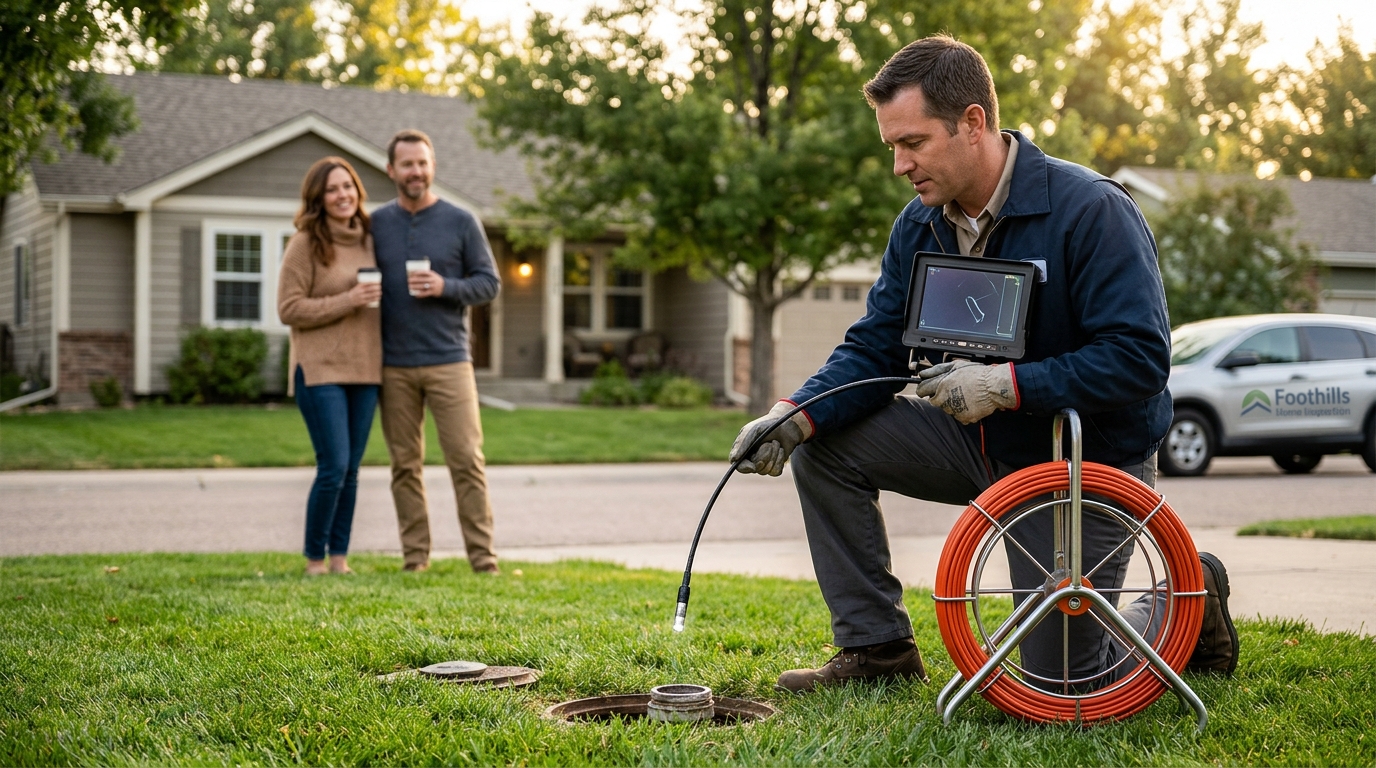
Buying a home is a significant financial commitment, yet many buyers overlook the critical infrastructure hidden beneath the ground. A sewer line failure is not merely an inconvenience; it is a catastrophic expense that can cost tens of thousands of dollars to repair. According to industry data, the average cost to replace a residential sewer line ranges from $3,000 to $25,000 depending on depth and length. This statistic highlights why a sewer scoping inspection is not just a luxury, but a mandatory due diligence step for any prudent homebuyer in Northern Colorado. (About Us Foothills Home)
What Is a Sewer Scope Inspection?
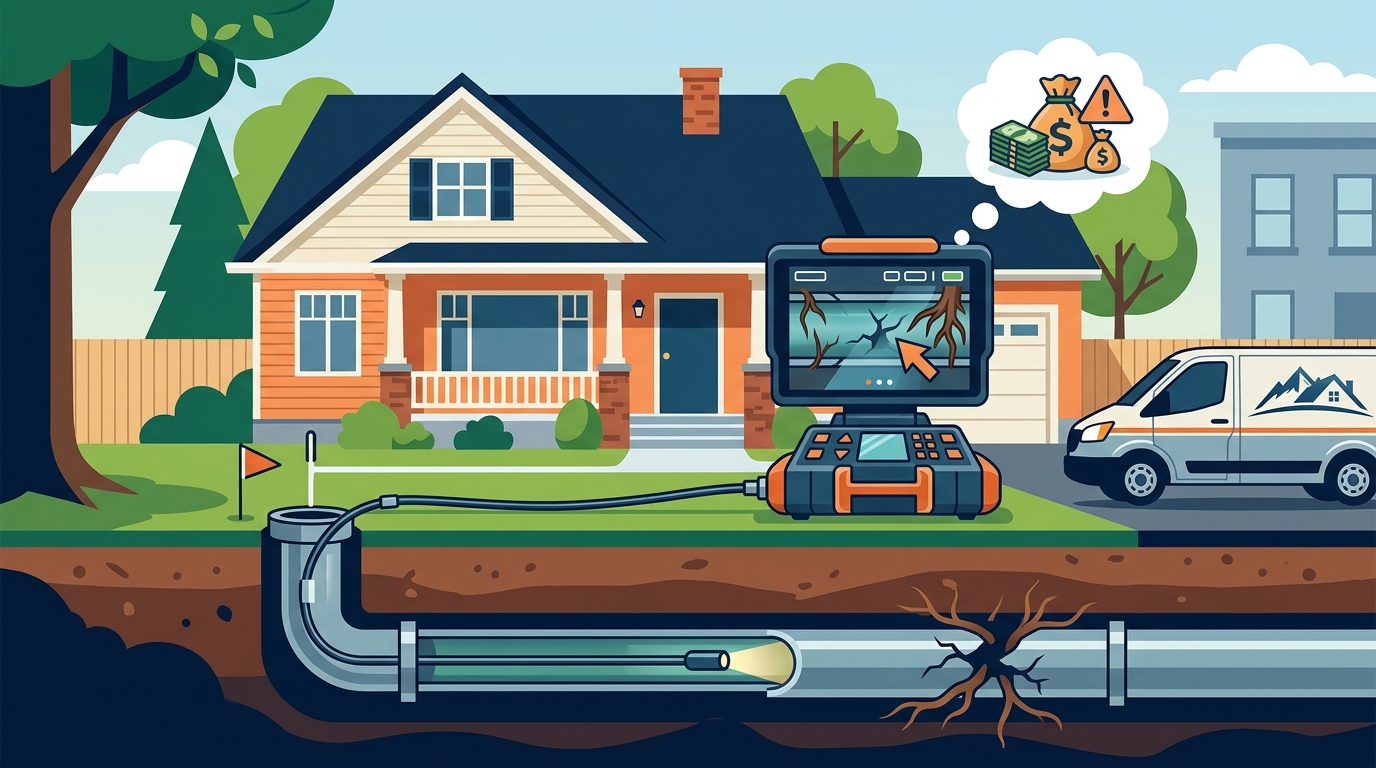
A sewer scope inspection is a diagnostic procedure where a licensed inspector inserts a specialized, waterproof camera into the main sewer line of a property. This camera travels from the house's cleanout or basement drain to the connection point with the municipal sewer main or septic tank. The process provides a real-time video feed of the pipe's interior condition.
This technology allows the inspector to identify issues that are completely invisible to the naked eye. Standard home inspections typically do not include sewer line evaluations because they require specialized equipment. The sewer scope is a distinct, targeted service that reveals the health of the underground infrastructure. For homeowners in Fort Collins, Loveland, and Windsor, this service is available through certified professionals who understand local soil conditions and pipe materials.
Understanding the mechanics of this inspection helps buyers realize that a standard visual check of the yard or basement provides zero insight into the condition of the main line. The sewer scope is the only way to verify that the pipe is intact, clear, and structurally sound.
Why Northern Colorado Homes Need This Inspection
The geographic location of your home plays a massive role in the likelihood of sewer line failure. Northern Colorado presents unique challenges for underground plumbing systems. The region experiences significant seasonal temperature fluctuations, leading to ground freezing and thawing cycles. These cycles cause the soil to shift, which can put immense pressure on underground pipes.
Older homes in areas like Fort Collins often have clay tile pipes or cast iron lines. Clay pipes are particularly susceptible to root intrusion because the joints are not sealed as tightly as modern PVC pipes. Tree roots seek out moisture and nutrients, and a leaking sewer line is a magnet for them. Once roots enter a small crack, they expand rapidly, causing blockages and eventual pipe collapse.
Additionally, the age of the housing stock in Northern Colorado varies widely. Homes built before the 1980s are more likely to have deteriorating infrastructure. Even newer constructions in Windsor or Greeley are not immune to installation errors or soil settlement issues. A sewer scope inspection provides peace of mind regardless of the home's age, ensuring that the underground investment is protected.
The Risks of Skipping the Scope
Skipping a sewer scope inspection is a high-stakes gamble. The most common consequence is unexpected repair costs immediately after closing. If a major blockage or break occurs within weeks of moving in, the buyer is fully responsible for the repair. This can include excavation costs, landscaping restoration, and the pipe replacement itself.
Beyond financial loss, there are health and safety risks. A broken sewer line can lead to sewage backups into the home. This creates a biohazard situation requiring professional remediation. It also poses structural risks if wastewater saturates the foundation soil, potentially leading to settlement issues.
Furthermore, discovering a major sewer issue after closing weakens your negotiating position. Sellers are less likely to offer credits or repairs once the transaction is finalized. Conducting the inspection during the due diligence period allows you to negotiate the price or request repairs before you are legally bound to the purchase.
What the Inspector Looks For
During a comprehensive sewer scope, the inspector identifies several critical failure points. Recognizing these issues helps you understand the value of the report you receive. The primary focus is on the structural integrity of the pipe and the clarity of the passage.
- Root Intrusion: The most common issue. Roots can completely block the line or damage the pipe walls.
- Offset Joints: Pipes that have shifted out of alignment due to soil movement. This creates a lip that catches debris.
- Bellying: A section of the pipe that has sunk, creating a low spot where waste and water collect.
- Corrosion and Collapse: Common in older cast iron pipes, where the metal has rusted through or crumbled.
- Debris and Scale: Buildup from grease, soap, or mineral deposits that restricts flow.
At Foothills Home Inspections, our sewer scoping service includes a detailed video recording of the entire line. You receive this footage along with a written report explaining any findings. This transparency allows you to make an informed decision about the property's underground condition.
Cost vs. Value Analysis
The cost of a sewer scope inspection is a fraction of the potential repair bill. While prices vary based on property size and accessibility, the investment is minimal compared to the risk. Below is a comparison of potential costs to illustrate the value of this service.
| Scenario | Estimated Cost | Impact on Buyer |
|---|---|---|
| Sewer Scope Inspection | $150 - $300 | Low. Provides critical data. |
| Hydro-Jetting (Minor Blockage) | $300 - $600 | Moderate. Temporary fix. |
| Trenchless Pipe Lining | $8,000 - $15,000 | High. Major repair. |
| Full Pipe Replacement | $15,000 - $25,000+ | Catastrophic. Total loss. |
As the table shows, the cost of the inspection is negligible compared to the worst-case scenario. Many buyers use the findings from the scope to negotiate a credit at closing, effectively making the inspection free. In other cases, the seller agrees to repair the line before closing, transferring the risk back to them.
Key Takeaways
- Sewer line replacement costs in Northern Colorado average between $3,000 and $25,000.
- Standard home inspections do not include sewer line evaluations.
- Root intrusion is the leading cause of sewer line failure in older homes.
- Soil shifting in Colorado can cause offset joints and pipe collapse.
- Foothills Home Inspections provides certified sewer scoping services.
- Video documentation is provided for every sewer scope inspection.
- Findings can be used to negotiate repairs or price reductions.
Frequently Asked Questions
How long does a sewer scope inspection take?
A typical sewer scope inspection takes between 30 to 60 minutes, depending on the length of the line and accessibility of the cleanout. The inspector must ensure the camera reaches the main connection point safely.
Do I need a sewer scope if the home is new construction?
Yes. New construction homes can still have installation errors, debris left in the pipes, or soil settlement issues. A scope ensures the builder installed the line correctly and that no construction debris is blocking the flow.
What happens if the sewer scope reveals a problem?
If a problem is found, you can negotiate with the seller to repair the line or provide a credit. You can also choose to walk away from the contract if the issue is too severe, depending on your inspection contingency terms.
Is a sewer scope included in a standard home inspection?
No. A standard home inspection is a visual and non-invasive evaluation of accessible systems. Sewer lines are underground and require specialized camera equipment to evaluate. It must be purchased as a separate, add-on service.
How often should I get my sewer line scoped?
Homeowners should consider a sewer scope every 2 to 3 years, or immediately if they notice slow drains or gurgling noises. For buyers, it is a one-time due diligence step during the purchase process.
Can tree roots damage my sewer line?
Yes. Tree roots are attracted to the moisture and nutrients in sewer lines. They can penetrate small cracks and expand, causing blockages and structural damage. This is common in older homes with clay pipes.
What is the difference between a sewer scope and a camera inspection?
The terms are often used interchangeably. A sewer scope specifically refers to the inspection of the main sewer line from the house to the street. A camera inspection is a broader term that can apply to any pipe system.
Schedule Your Sewer Scope Inspection
Do not leave your home purchase to chance. Protect your investment with a professional sewer scope inspection from Foothills Home Inspections. We serve Fort Collins, Loveland, Windsor, and surrounding Northern Colorado communities. Our certified inspectors provide detailed video reports and expert analysis to help you make confident decisions.
Schedule your sewer scope inspection online today or call us at 970-567-8180 to discuss your needs. We offer same-day or next-day service to fit your closing timeline.