

How to Interpret Home Inspection Report Findings in Northern Colorado
Buying a home in Northern Colorado is a massive financial commitment that requires careful scrutiny of every structural and mechanical detail. According to the American Society of Home Inspectors, a standard inspection covers approximately 400 to 500 distinct components of a property, ranging from the roof to the foundation. Understanding these findings is not just about reading a list of defects; it is about grasping the urgency, cost, and safety implications of each note. This guide breaks down the critical elements of your report so you can negotiate confidently and plan your future maintenance with clarity. (About Us Foothills Home)
Understanding Priority Levels in Your Report
The most confusing part of any home inspection report is often the sheer volume of items listed. To make sense of this data, inspectors categorize findings by severity. This classification system helps buyers distinguish between a minor cosmetic issue and a critical safety hazard. Recognizing these categories allows you to prioritize your negotiation strategy effectively.
Critical Safety Hazards
These are items that pose an immediate threat to life or property. Examples include exposed live wiring, severe gas leaks, or structural failures in the foundation. If you encounter these findings, you must address them before moving in. These issues often require specialized contractors and can significantly impact your closing timeline. Ignoring these items can lead to catastrophic failure of the home's systems.
Major Defects
Major defects are significant issues that require repair or replacement soon. They are not immediate life-safety threats but will cost a substantial amount of money to fix. For instance, a roof with only two years of remaining life is a major defect. While you can technically close on the house, you should budget for this replacement immediately after purchase. These items are prime candidates for negotiation credits.
Minor Defects and Maintenance
Minor defects are cosmetic issues or items that need routine maintenance. These might include loose door handles, cracked window panes, or worn weather stripping. While these do not require immediate emergency action, they add up over time. Keeping a log of these minor items helps you plan your annual home maintenance budget. Addressing them early prevents them from becoming major defects later.
Structural Integrity and Safety Hazards
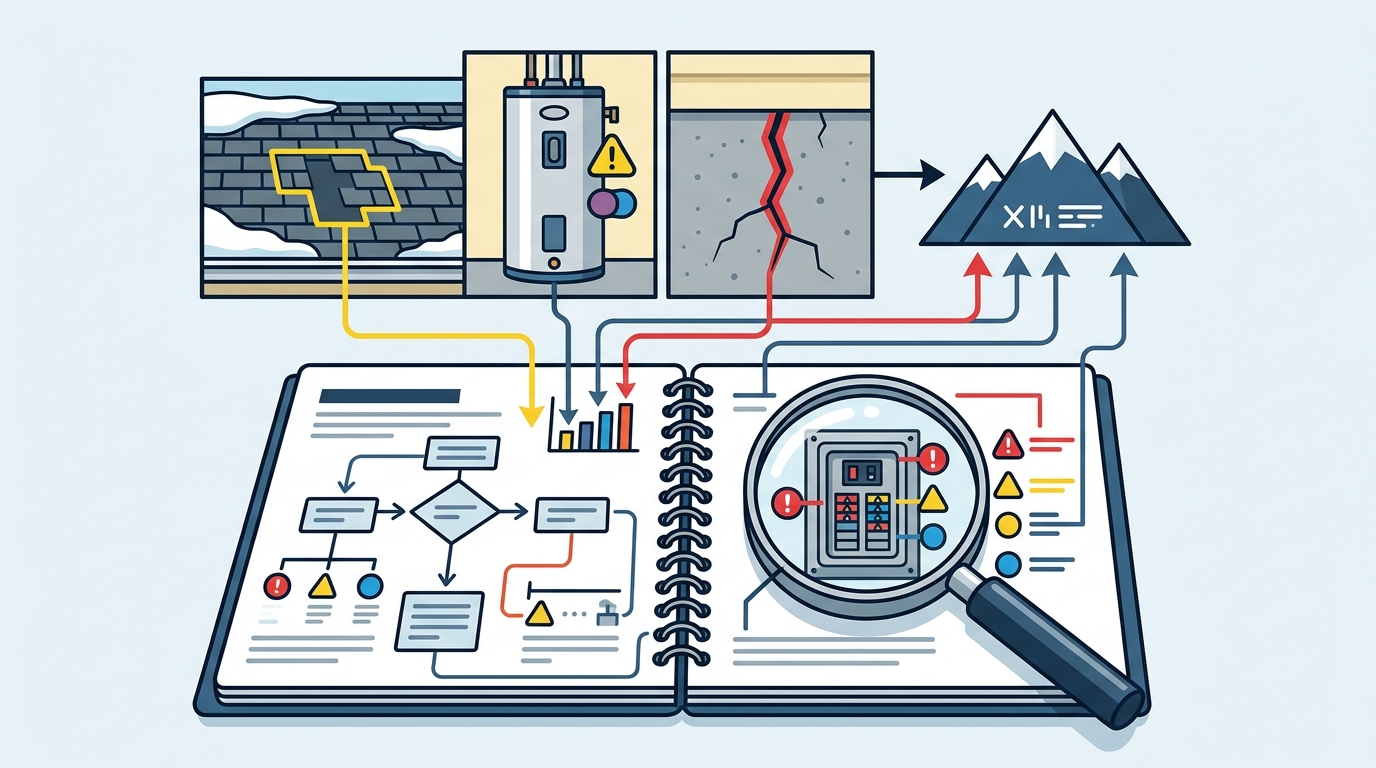
The foundation and structure of a home are its backbone. In Northern Colorado, soil composition and climate changes can affect structural integrity over time. Interpreting structural findings requires a basic understanding of how homes settle and shift.
Foundation Cracks are common in many homes. Hairline cracks are often normal settling. However, wide cracks or horizontal cracks can indicate serious pressure issues. If the report notes significant foundation movement, you may need a structural engineer for a deeper evaluation. This is a high-cost item that should not be ignored.
Roof Condition is another critical structural element. Look for the age of the roof and the condition of the shingles. If the report states the roof is near the end of its lifespan, plan for a full replacement. In areas with heavy snowfall, roof load capacity is also a key factor. Ensure the inspector has evaluated the roof's ability to handle local weather patterns.
Decoding Mechanical System Lifespans
Home inspection reports provide a snapshot of the current condition of major mechanical systems. Understanding the expected lifespan of these systems helps you anticipate future costs. This knowledge is vital for long-term financial planning.
HVAC Systems
The heating, ventilation, and air conditioning (HVAC) system is crucial in Colorado's extreme climate. The report should note the age and condition of the furnace and air conditioner. If the system is over 15 years old, it may be nearing the end of its useful life. Efficiency ratings are also important for energy costs. Older systems consume more energy and cost more to operate.
Plumbing and Electrical
Plumbing issues can lead to water damage and mold growth. The report should detail the type of piping used. Older homes may have galvanized steel or polybutylene pipes, which are prone to failure. If the inspector notes outdated plumbing, budget for a repipe. Electrical systems must meet current safety codes. Knob-and-tube wiring or aluminum wiring are red flags that require immediate attention by a licensed electrician.
Environmental Factors in Northern Colorado
Northern Colorado has unique environmental challenges that affect home inspections. Radon and sewer line issues are particularly relevant in this region. Understanding these specific risks is essential for a thorough interpretation of your report.
Radon Testing is critical in many parts of Colorado. Radon is a radioactive gas that can accumulate in homes and cause lung cancer. The American Cancer Society notes that radon is the second leading cause of lung cancer in the United States. If your report indicates elevated radon levels, you must install a mitigation system. This is a non-negotiable safety requirement in many transactions.
Sewer Scope Inspections are also highly recommended in Northern Colorado. Older sewer lines may be made of clay or cast iron, which are susceptible to root intrusion and collapse. A sewer scope video inspection can reveal blockages or breaks that are not visible during a standard walk-through. If the report shows significant sewer line damage, replacement costs can be substantial. Addressing this before closing can save you thousands of dollars.
Navigating Report Formats and Photos
Modern home inspection reports are comprehensive digital documents. They typically include text descriptions, photos, and sometimes video links. Understanding how to read these formats effectively is key to extracting the most value from the inspection.
Photos are your best friend in a home inspection report. They provide visual context for the written descriptions. Always compare the photo to the text to ensure you understand the issue. If a photo is unclear or missing, ask your inspector for clarification. Visual evidence helps you prioritize repairs and communicate with contractors.
Text Descriptions should be clear and concise. They should explain what the issue is, why it matters, and what the recommended action is. If the language is too technical, ask your inspector to explain it in plain English. A good inspector will educate you on the findings, ensuring you understand the implications of each note.
Next Steps After Reviewing Your Report
Once you have reviewed your home inspection report, the next steps are crucial for protecting your investment. This is the time to make informed decisions about the purchase.
Negotiation Strategy
Use the report to negotiate with the seller. You can request repairs, credits, or a price reduction based on the findings. Focus on major defects and safety hazards for the strongest negotiation position. Minor cosmetic issues are less likely to be negotiated but can be addressed later. Be reasonable and data-driven in your requests.
Planning for Repairs
Even if you do not negotiate repairs, you must plan for them. Create a timeline for addressing the issues identified in the report. Prioritize safety hazards and major defects. Schedule contractors to provide estimates for the work. This proactive approach ensures you are prepared for the costs and disruptions of home ownership.
Consulting Professionals
For complex issues, consult with specialized professionals. A structural engineer, electrician, or plumber can provide detailed assessments and repair plans. Their expertise will help you understand the scope and cost of the work. Do not rely solely on the home inspector for repair quotes, as they are not contractors.
Key Takeaways
- Prioritize Findings: Distinguish between critical safety hazards, major defects, and minor maintenance items to guide your negotiation and repair strategy.
- Focus on Structure: Pay close attention to foundation cracks and roof condition, as these are the most expensive systems to repair or replace.
- Check Mechanical Lifespans: Evaluate the age and condition of HVAC, plumbing, and electrical systems to anticipate future replacement costs.
- Address Environmental Risks: Radon testing and sewer scoping are essential in Northern Colorado due to regional geological and infrastructure factors.
- Use Visuals: Leverage photos in the report to understand the context of each finding and communicate effectively with contractors.
- Negotiate Wisely: Use major defects and safety issues as leverage for price reductions or repair credits during the transaction.
- Plan Ahead: Create a long-term maintenance and repair schedule based on the inspection report to avoid unexpected financial burdens.
Frequently Asked Questions
How long does it take to receive a home inspection report?
Most inspectors provide the report within 24 hours of completing the inspection. This quick turnaround allows buyers to make timely decisions during the contingency period.
What is the difference between a home inspection and a home warranty?
A home inspection is a one-time evaluation of the property's condition at the time of purchase. A home warranty is a service contract that covers the repair or replacement of home systems and appliances for a period after you move in.
Do I need a separate radon test?
While some inspectors include radon testing in their standard package, it is often an add-on service. It is crucial to verify if radon testing is included in your inspection agreement, especially in high-risk areas of Colorado.
Can I attend the home inspection?
Yes, buyers are encouraged to attend the inspection. This provides an opportunity to ask questions, see issues firsthand, and learn about the home's maintenance needs from the inspector.
What happens if the inspection reveals major issues?
If major issues are found, you can negotiate with the seller for repairs or credits. You can also request additional inspections by specialists. In severe cases, you may choose to walk away from the purchase if the contract allows.
How much does a home inspection cost in Northern Colorado?
The cost varies based on the size and age of the home, but it typically ranges from $400 to $600 for a standard inspection. Additional services like radon testing or sewer scoping will increase the total cost.
Why is sewer scoping important?
Sewer scoping uses a camera to inspect the sewer line for blockages, roots, or breaks. This is important because sewer line repairs are expensive and disruptive. Catching these issues early can save you significant money and hassle.
Schedule Your Professional Home Inspection Today
Interpreting a home inspection report is a critical step in the home buying process. It empowers you to make informed decisions and protect your investment. At Foothills Home Inspections, we provide detailed, easy-to-understand reports that help you navigate this complex process with confidence. Our certified inspectors in Northern Colorado are dedicated to uncovering potential issues and educating our clients. Schedule your inspection online today or call us at 970-567-8180 to get started. We serve Fort Collins, Loveland, Windsor, and surrounding areas with prompt, professional service.