
Radon is an invisible, odorless gas that poses a serious health risk to homeowners across Northern Colorado. According to the Environmental Protection Agency, radon is the second leading cause of lung cancer in the United States, responsible for approximately 21,000 deaths annually. This statistic underscores the critical need for professional testing in regions with specific geological profiles, such as the Front Range of Colorado. For residents in Fort Collins, understanding who provides reliable radon testing is not just a matter of convenience, but a vital component of responsible home ownership. (About Us Foothills Home)
Why Radon Testing Matters in Fort Collins
Fort Collins sits within a geological zone that is naturally prone to radon accumulation. Radon gas seeps up from the ground through cracks in foundations, gaps in floors, and construction joints. Because it is heavier than air, it can accumulate in lower levels of homes, such as basements and crawl spaces. The risk is not limited to older homes; new construction can also be vulnerable if proper mitigation techniques are not employed during the building process.
Many homeowners assume that because they cannot see, smell, or taste the gas, it is not present. This is a dangerous misconception. The only way to know the radon level in your home is to test it. Radon is a radioactive gas that occurs naturally from the decay of uranium in soil, rock, and water. In Northern Colorado, the soil composition often contains higher levels of uranium, which decays into radon gas. Without testing, you are essentially living in the dark regarding one of the most significant environmental hazards in your property.
According to the Colorado Department of Public Health and Environment, many counties in the state are classified as Zone 1, meaning they have the highest potential for high indoor radon levels. Fort Collins falls within this high-potential region. Therefore, relying on general geographic assumptions is insufficient. You need localized, professional data to ensure your family's safety.
Types of Radon Testing Services
When searching for "who offers radon testing in Fort Collins," you will encounter different types of testing methods. Understanding these distinctions is crucial for making an informed decision. The two primary categories are short-term testing and long-term testing.
Short-Term Testing
Short-term tests are typically used during the home buying or selling process. These tests usually last between two to seven days. They provide a quick snapshot of radon levels at the time of testing. While convenient, short-term tests can be influenced by weather conditions, such as wind and atmospheric pressure changes, which might skew the results. However, they are often sufficient for real estate transactions where a rapid decision is needed.
Long-Term Testing
Long-term tests provide a more accurate picture of your home's average radon level over time. These tests can last from 90 days to a year or more. They are less susceptible to short-term weather fluctuations and provide a more reliable average. For homeowners who are not in a rush to sell or buy, long-term testing offers the most comprehensive data regarding their indoor air quality.
Continuous Monitoring
Continuous radon monitors provide real-time data and can track radon levels over a period of days, weeks, or months. These devices are electronic and can alert homeowners immediately if radon levels spike. This method is particularly useful for diagnosing issues in homes that have already undergone mitigation efforts to ensure the system is working correctly.
How to Choose a Radon Testing Provider
Not all radon testing services are created equal. When evaluating providers in the Fort Collins area, several key factors should guide your decision. The integrity of the data depends entirely on the expertise and certification of the tester.
Certification and Licensing
In Colorado, radon measurement professionals must be certified by the Colorado Department of Public Health and Environment (CDPHE). This certification ensures that the tester has undergone rigorous training in proper testing protocols, equipment calibration, and data interpretation. Always verify that your provider holds a current CDPHE certification. This is a non-negotiable standard for reliable results.
Independence and Objectivity
It is important to choose a testing provider that is independent of mitigation companies. While some companies offer both testing and mitigation services, there is a potential conflict of interest. An independent tester has no financial incentive to find high radon levels. They are solely focused on providing accurate data. This objectivity is critical for maintaining trust in the home inspection process.
Comprehensive Reporting
A professional radon test should come with a detailed report. This report should include the testing methodology, the duration of the test, the results in picocuries per liter (pCi/L), and an interpretation of those results. The report should also provide clear recommendations for next steps, whether that is further testing or mitigation.
The Foothills Home Inspections Advantage
Foothills Home Inspections is a locally-owned and -operated company that has established itself as a trusted name in Northern Colorado. We understand the unique geological challenges of the Fort Collins, Loveland, and Windsor areas. Our approach to radon testing is rooted in precision, transparency, and client education.
As a certified and insured home inspection company, we prioritize the safety and confidence of our clients. We do not just hand you a number; we explain what that number means for your home and your family. Our team takes the time to ensure you understand the testing process and the results. This educational approach empowers homeowners to make informed decisions about their property.
We offer integrated services that combine home inspections with radon testing and sewer scoping. This holistic approach ensures that all major aspects of a property's condition are evaluated simultaneously. By bundling these services, we provide a comprehensive view of your home's structural and environmental health. This is particularly valuable for homebuyers who want a complete picture before closing on a sale.
Our commitment to quality is reflected in our detailed reporting. We provide easy-to-read, informative reports that contain everything we find during our walk-through. We avoid technical jargon where possible, ensuring that the information is accessible to all homeowners. This clarity is essential for understanding the urgency and nature of any identified issues.
What to Expect During Testing
The radon testing process is straightforward and non-invasive. Here is what you can expect when you hire a professional service like Foothills Home Inspections.
Placement of Detectors
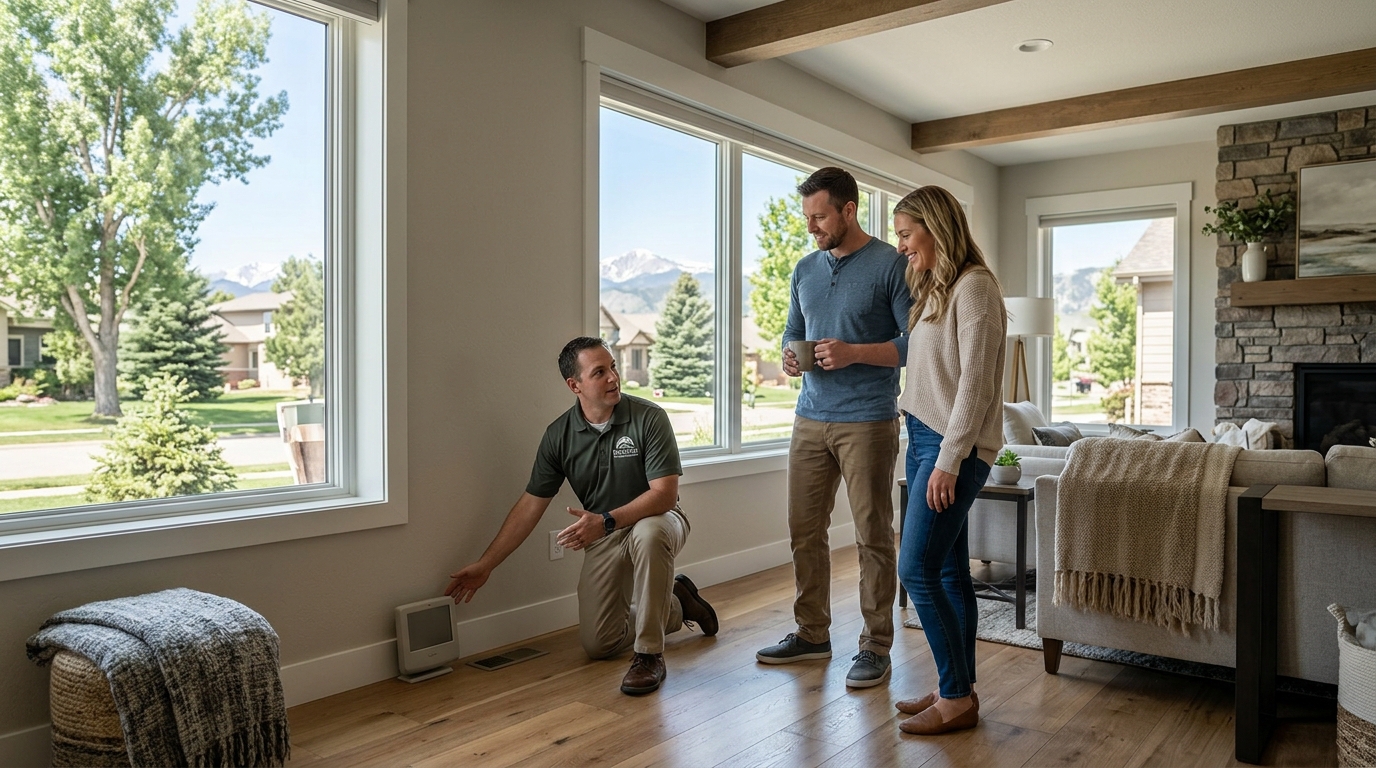
The tester will place radon detectors in the lowest lived-in level of your home. This is typically the basement or the first floor if there is no basement. The detectors are placed in a central location, away from drafts, high humidity, and exterior walls. This placement ensures that the data collected is representative of the air you are breathing in your living spaces.
Duration of the Test
Depending on the type of test chosen, the detectors will remain in place for the specified duration. During this time, you should maintain normal living conditions. Do not open windows or doors excessively, as this can alter the air pressure and affect the results. The tester will provide clear instructions on how to maintain the home during the testing period.
Analysis and Reporting
Once the testing period is complete, the detectors are sent to a certified laboratory for analysis. The results are then compiled into a report. For short-term tests, results are typically available within a few days. For long-term tests, the timeline depends on the duration of the test. The report will clearly state the radon level and provide recommendations based on the EPA action level of 4 pCi/L.
Comparison of Testing Options
| Testing Type | Duration | Best For | Accuracy |
|---|---|---|---|
| Short-Term Test | 2-7 Days | Real Estate Transactions | Good (Snapshot) |
| Long-Term Test | 90+ Days | Average Radon Level | High (Comprehensive) |
| Continuous Monitor | Days to Months | Real-Time Data | Very High (Dynamic) |
Key Takeaways
- Radon is the second leading cause of lung cancer in the United States, according to the EPA.
- Fort Collins is located in a geological zone with high potential for radon accumulation.
- Colorado law requires radon measurement professionals to be certified by the CDPHE.
- Foothills Home Inspections is a locally-owned company serving Northern Colorado.
- Short-term tests are ideal for real estate transactions, while long-term tests provide average levels.
- Independent testing ensures unbiased results, free from mitigation conflicts of interest.
- Radon testing is non-invasive and can be integrated with standard home inspections.
Frequently Asked Questions
How much does radon testing cost in Fort Collins?
The cost of radon testing varies depending on the type of test and the provider. Short-term tests are generally less expensive than long-term tests. At Foothills Home Inspections, we offer competitive rates for radon testing, often bundled with home inspection services. Contact us for a detailed quote.
Do I need radon testing if I am buying a new home?
Yes, even new homes can have high radon levels. Building codes have improved, but radon can still seep into new constructions. Testing is the only way to be sure. We recommend radon testing for all home purchases, regardless of the age of the property.
What should I do if my radon test results are high?
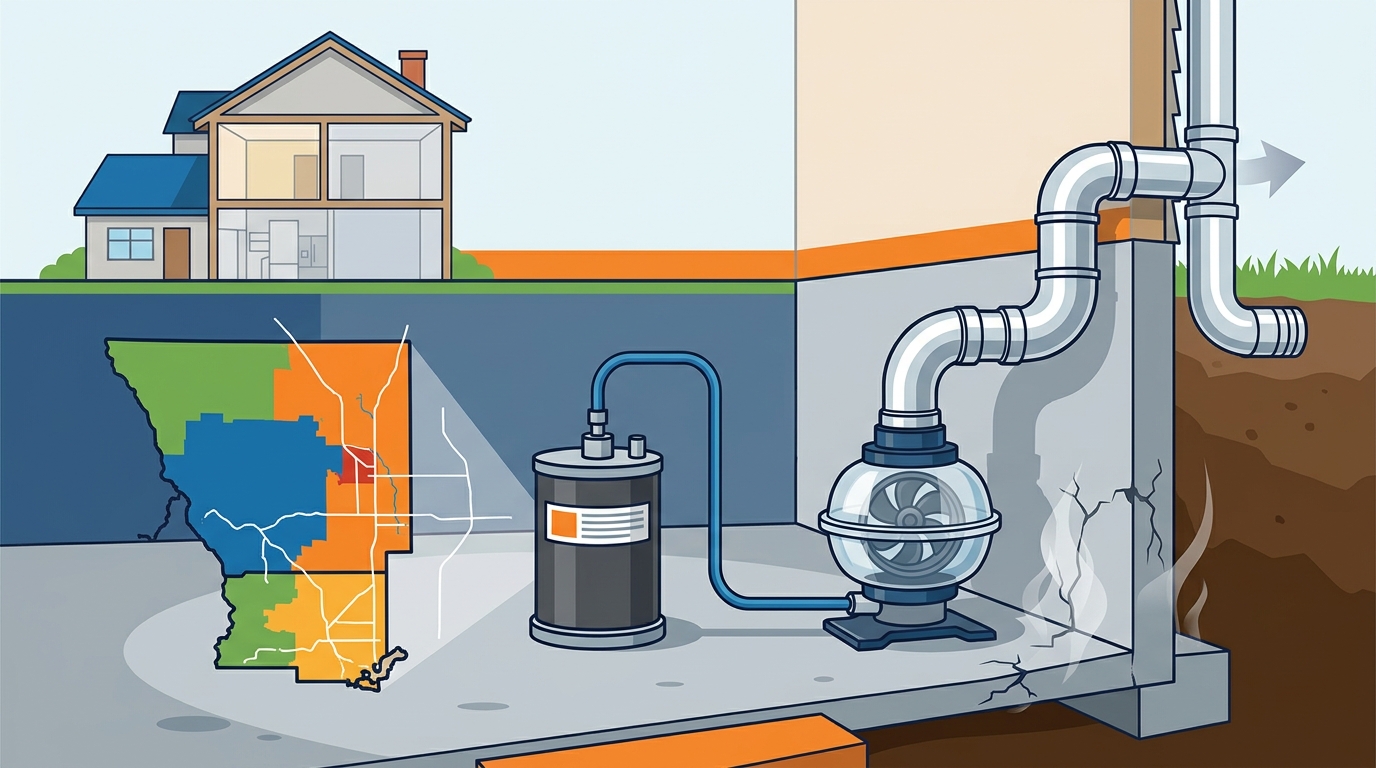
If your radon level is 4 pCi/L or higher, the EPA recommends mitigation. Mitigation involves installing a vent system and fan to pull radon from beneath the house and vent it outside. A qualified mitigation professional can install this system effectively.
Can I perform radon testing myself?
Yes, you can purchase do-it-yourself radon test kits at hardware stores. However, professional testing is recommended for greater accuracy and reliability. Professional testers are certified and use calibrated equipment that provides more trustworthy results.
How long does a radon test take?
Short-term tests take between two to seven days. Long-term tests can last from 90 days to a year. The duration depends on the type of test you choose and the specific requirements of your situation.
Is radon testing required by law in Colorado?
While radon testing is not universally required by state law for all home sales, it is highly recommended. Some local jurisdictions or real estate contracts may require it. It is best to consult with your real estate agent and a professional inspector to understand your obligations.
What is the EPA action level for radon?
The EPA action level for radon is 4 picocuries per liter (pCi/L). If your home's radon level is at or above this level, mitigation is recommended to reduce the risk of lung cancer.
Schedule Your Radon Test
Do not leave your family's safety to chance. Radon is a silent threat that can be easily managed with professional testing. Foothills Home Inspections is here to help you navigate the process with confidence and clarity. We offer comprehensive radon testing services in Fort Collins, Loveland, and Windsor.
Contact us today to schedule your radon test. Our team is ready to provide you with accurate, reliable results and expert guidance. Visit our Radon Testing page to learn more about our services. You can also schedule an inspection online or call us at 970-567-8180 for immediate assistance. Protect your home and your health with Foothills Home Inspections.